When I first came to Dubai in 2007, I knew instantly that I had stepped into a city unlike anywhere else. The skyline was already lined with towers, the desert buzzed with cranes, and conversations everywhere carried a sense of possibility.
Dubai wasn’t “emerging” — it was already impressive, already global, and already ambitious. But the scale of construction made it clear: the city was building for something far bigger.
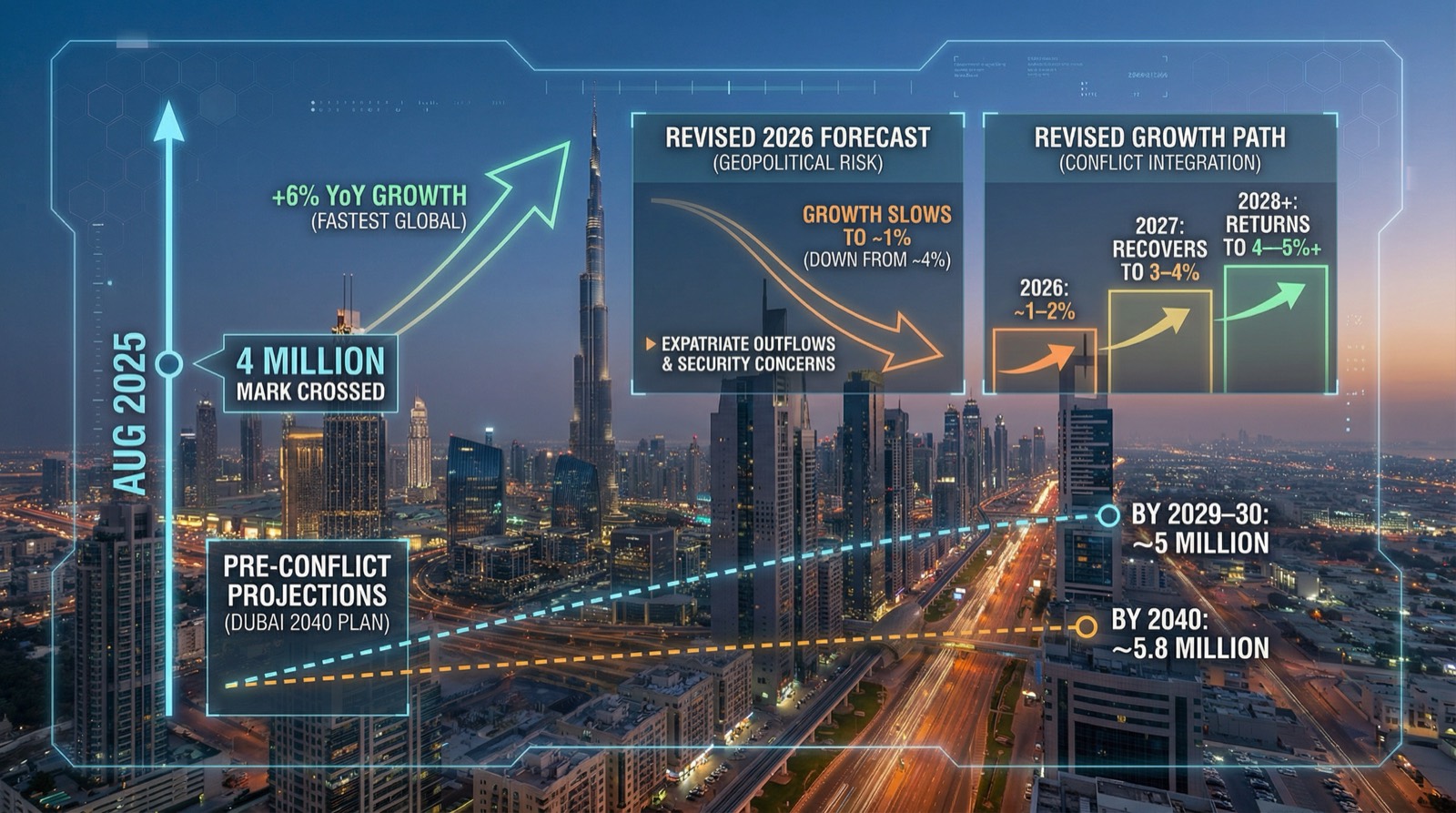
Back then, in 2007, Dubai’s population was about 1.5 million. Dubai’s population has now officially crossed 4 million residents. It stood at 4,000,387 as of August 28, 2025, according to the Dubai Statistics Centre’s population clock. In less than two decades, it has almost tripled. And this is only the beginning.
According to the Dubai 2040 Urban Master Plan, the population is expected to rise to 7.8 million residents by 2040.
For investors, this is an important point. Conversations about “oversupply” in Dubai’s real estate market often dominate the headlines. But when you view supply against the backdrop of sustained, long-term population growth, the picture looks far more reassuring.
👉If you’d like to discuss how this growth translates into strategies for your portfolio, speak directly with me. I’ll walk you through the opportunities one-on-one.
Arriving in 2007, I was immediately struck by how alive the city felt. The Burj Dubai (later renamed Burj Khalifa) was halfway to the sky. Palm Jumeirah had just started welcoming residents. Downtown Dubai was a mix of construction sites and early handovers.
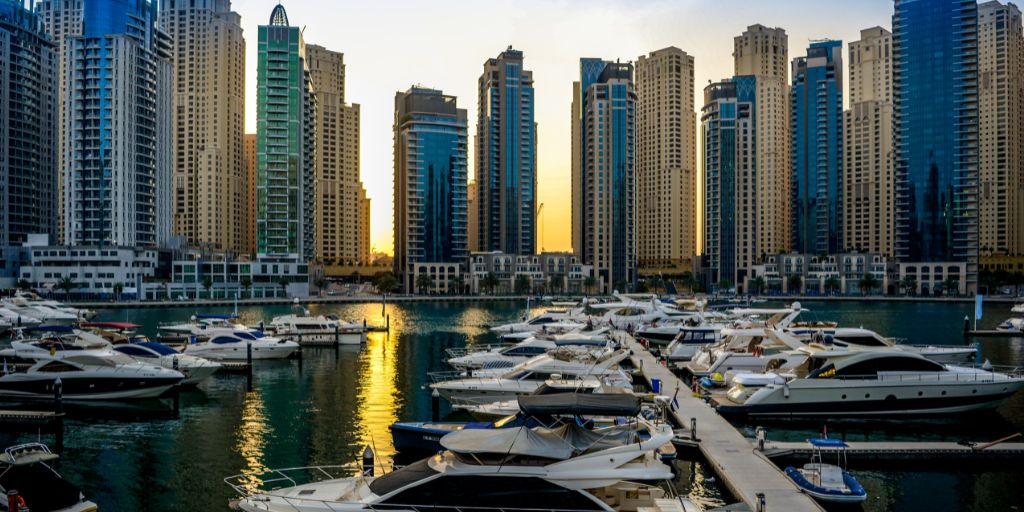
Dubai Marina, now one of the most established waterfront communities in the city, was still taking shape. Back then, some people wondered if anyone would want to live in such dense towers. Today, it’s one of the most vibrant districts in the region, home to thousands of residents and a bustling lifestyle scene.
Other communities — like Arabian Ranches — were once seen as ‘too far out.’ I remember driving out there and wondering if it would ever really feel connected to the city. Now, schools, shopping centers, and thriving villa communities surround it. Dubai Hills, which was just desert, is today one of the most in-demand neighborhoods in the city.
Seeing these transformations up close has shown me one thing: population growth changes everything. Places that once felt peripheral become the new center of family and professional life.
Let’s put Dubai’s population growth into perspective:
- 2007: ~1.5 million residents
- 2015: ~2.5 million residents
- 2023: ~3.6 million residents
- 2025: surpassed 4 million residents
- 2040 projection: 7.8 million residents
This isn’t just fast growth. It’s planned growth. Dubai has been deliberate about its trajectory, introducing long-term residency options, building infrastructure ahead of demand, and carefully balancing new development with global positioning.
For investors, this means something very important: while supply in Dubai can look overwhelming in the short term, the long-term demand curve created by population growth consistently absorbs new stock.
From my perspective as someone who has lived here since 2007, several key forces are behind this growth:
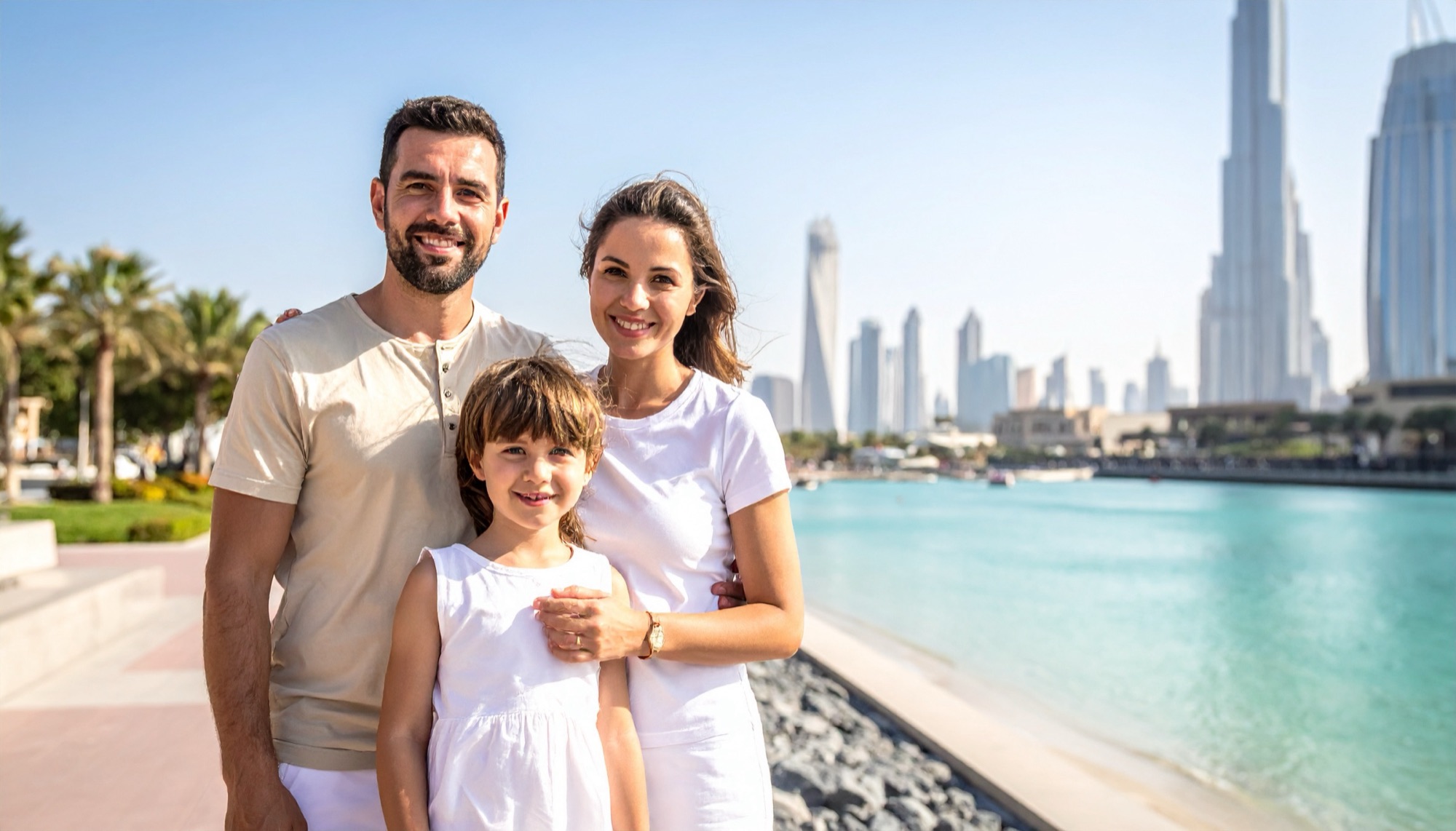
Global Migration Hub
Dubai attracts professionals, entrepreneurs, and families from around the world. Its expat-friendly policies and tax environment continue to draw people who might otherwise choose London, Singapore, or New York.Visa Reforms
When I arrived, most expats were here on short-term employment visas. Today, initiatives like the Golden Visa, retirement visas, and digital nomad visas give people the ability to stay long term. That shift has been profound.Economic Diversification
Dubai is no longer just a city of tourism and real estate. It has expanded into logistics, technology, fintech, and green energy. That economic resilience supports population growth.Global Events and Connectivity
From Expo 2020 to COP28, Dubai has positioned itself as a global stage. Add to that Emirates Airline’s hub connectivity, and Dubai naturally becomes a place people want to live.Urban Planning
The Dubai 2040 Master Plan isn’t simply about more residents; it’s about creating balanced, sustainable, and future-ready communities.
Many of the conversations I have with investors revolve around one concern: oversupply. And I understand it. New towers launch every month, and the scale of construction here can feel overwhelming. But when you look at supply in context with demand, the picture shifts.
- Housing Demand: Every one of the additional 3.8 million residents expected by 2040 will need a home. That’s a substantial absorption engine for supply.
- Diversified Demand: Singles, families, high-net-worth individuals — each segment requires different housing, meaning demand is spread across apartments, villas, and luxury residences.
- Rental Market Resilience: Even when prices fluctuate, rental demand remains consistent because Dubai continues to attract residents at all income levels.
- Capital Appreciation: Over time, the story has been clear. As the city grows, well-located properties rise in value.
When you put these factors together, population growth is the strongest counterweight to oversupply fears.
👉If oversupply is one of your concerns, let’s talk it through. I’ll show you how Dubai’s population growth translates into real, long-term opportunities for investors like you.**
Dubai Marina: When first launched, critics worried about oversupply of towers. Today, it’s one of the most densely populated and vibrant communities in Dubai, with demand often outpacing supply.
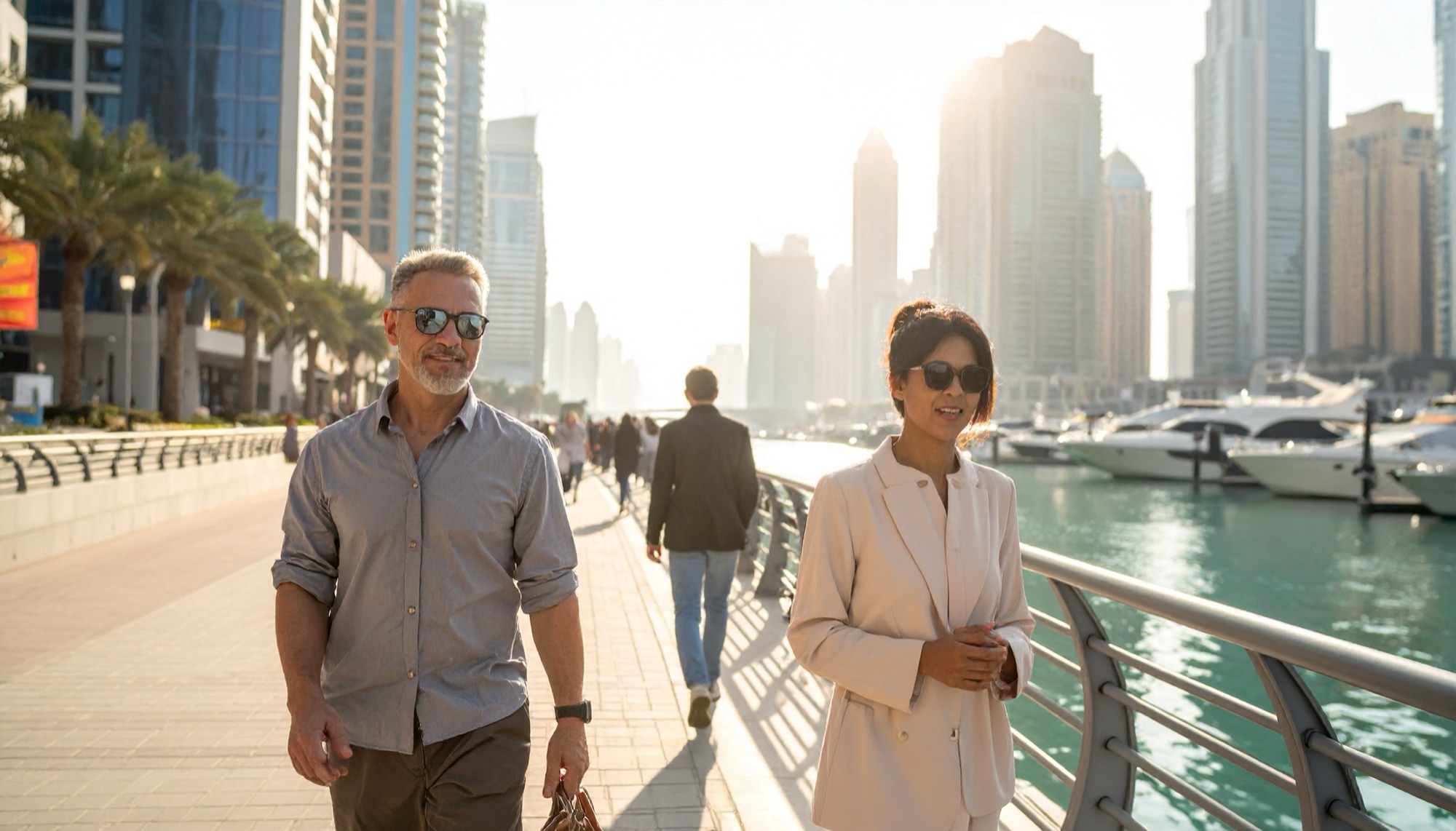
Arabian Ranches & Dubai Hills: Once seen as remote, these villa communities are now in the heart of Dubai’s suburban family market. Demand consistently exceeds supply.
Downtown Dubai: In 2007, skeptics wondered who would live next to the Burj Khalifa. Today, Downtown is one of the most expensive districts in the city.
Each of these examples shows the same pattern: what may appear as oversupply in the short term eventually finds equilibrium as the population grows.
Still reading
Need expert help on this subject?
I’ve lived through every market cycle since 2007 — including the 2008 crash and the slower years that followed.
During those times, oversupply dominated the headlines. But here’s what always happened:
- Supply that looked excessive was steadily absorbed as new residents arrived.
- Communities that felt empty filled with schools, shops, and families.
- Rental demand persisted even in downturns, offering yields investors couldn’t find elsewhere.
In other words, short-term oversupply is real, but long-term imbalance is a myth. Population growth is simply too strong for supply to run ahead indefinitely.
If Dubai reaches 7.8 million residents, the implications for real estate are profound:
- More Homes: Millions of additional units will be required — both rentals and owner-occupied.
- Stronger Yields: With demand rising, investors can expect stable rental markets and strong occupancy.
- Resilient Appreciation: As the city’s size doubles, prime and mid-market properties alike will see steady upward pressure on values.
- Balanced Communities: The government’s focus on mixed-use and sustainable communities ensures balanced growth, not unchecked sprawl.
Dubai’s rise from 4M (2024) to 7.8M (2040) residents means sustained housing demand across all segments.
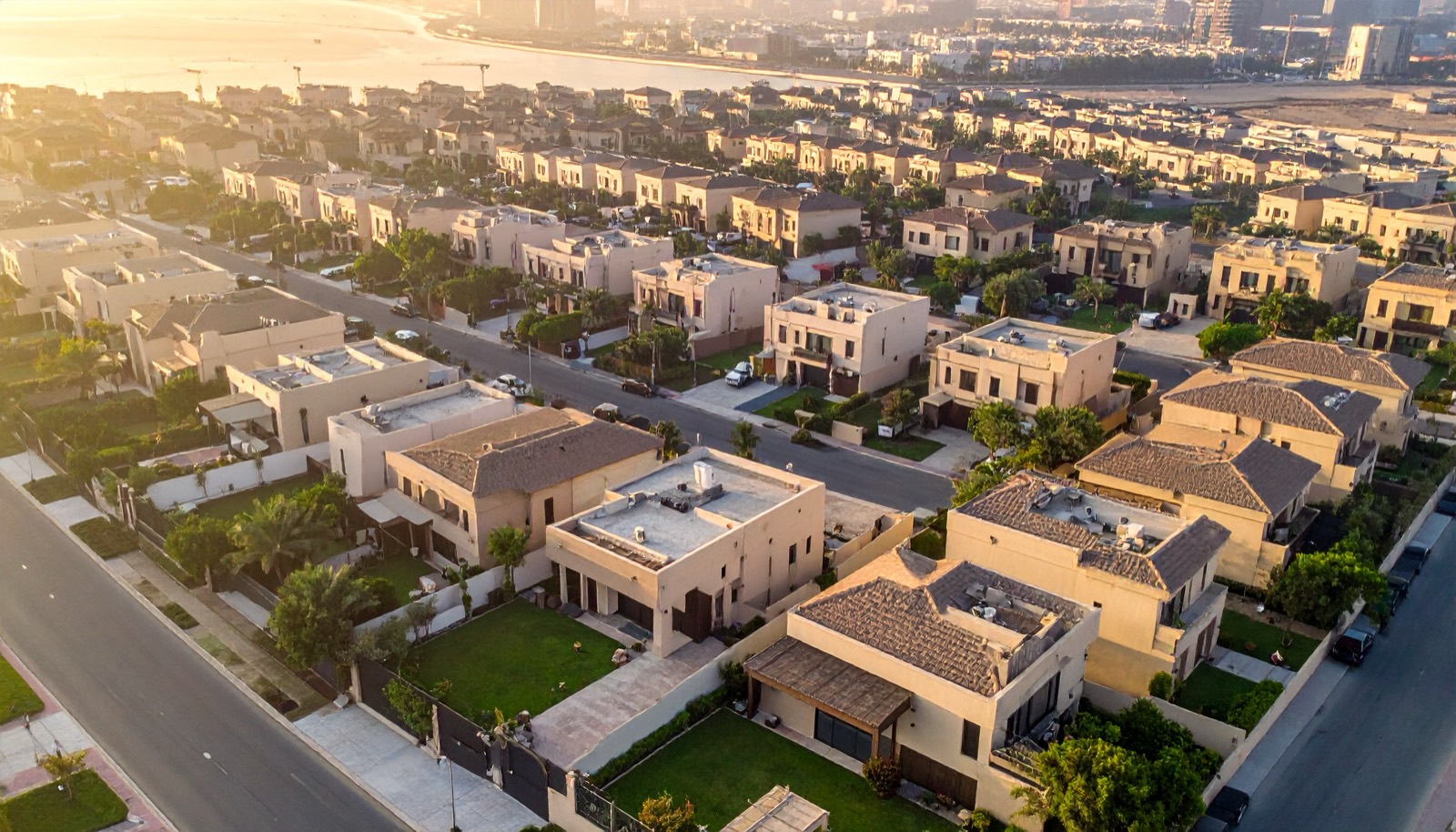
To align with that, here’s the playbook:
1. Segment Your Exposure
Mid-Market Apartments (JLT, JVC, Al Furjan):
- First stop for new arrivals.
- Fastest absorption, consistent yields (6–8%).
Family Villas/Townhouses (Dubai Hills, Ranches, Tilal Al Ghaf):
- Driven by family migration.
- Resilient in downturns, supply limited.
Prime & Luxury (Palm, Downtown, Emirates Hills):
- Wealth preservation, global appeal.
- Scarcity ensures long-term capital appreciation.
2. Use Off-Plan Strategically
- Where: Target infrastructure-led zones (metro extensions, new urban hubs).
- Who: Stick with top developers (Emaar, Sobha, Select Group).
- How: Buy early, hold 5–7 years; staggered payment plans protect liquidity.
3. Build a Yield Core
- Focus on mid-market rentals for steady cashflow.
- Blend long-term tenants (stability) with short-term lets (flexible upside).
- Reinvest rental income into off-plan for compounding growth.
4. Hedge Oversupply Risk
- Avoid monoculture towers (too many identical units).
- Choose mixed-use/lifestyle communities (schools, retail, green space).
- Prioritize scarcity factors: waterfront, golf frontage, metro adjacency.
5. Align With Demographics
- Young Professionals: Small, affordable, well-connected apartments.
- Families: Villas & townhouses near schools and community amenities.
- HNWI/Global Wealth: Trophy assets in landmark locations.
6. Follow Infrastructure
- Metro expansions, airport upgrades, and new highways = demand hotspots.
- Communities tied to these projects historically outperform (e.g., Marina post-Metro).
7. Plan Exits With Precision
- Off-plan: Exit at handover or convert to rental.
- Mid-market: Hold for yield + liquidity.
- Prime: Long-term, legacy hold for capital preservation.
In closing
Conclusion
Having lived in Dubai since 2007, I’ve seen the headlines about oversupply come and go. But what I’ve also witnessed is this: population growth consistently absorbs supply, sustains rental demand, and supports long-term appreciation.
The projection of 7.8 million residents by 2040 is not just a statistic — it is clear evidence that Dubai’s growth story is underpinned by fundamentals few global cities can match.
Yes, oversupply may exist in the short term. But over the long run, the demand curve is simply too powerful to ignore. This is why investors who stay focused on the fundamentals tend to outperform those distracted by the noise.
By aligning property strategies with Dubai’s demographic expansion, you can position assets for both capital appreciation and stable yields, while also building resilience against cyclical swings.
If you’d like to explore how this applies to your portfolio, I’d be glad to share my experience and walk you through tailored strategies for your goals. With the right approach, Dubai real estate offers not just attractive returns, but also long-term security in a rapidly changing world.
📞 No pressure, no sales pitch—just a focused, informed conversation about your investment goals. Let’s talk!
Frequently asked questions
0601Won’t Dubai always overbuild?
It may look that way in the short term, but long-term demand consistently catches up. The population is projected to almost double — that’s demand you can’t ignore.
02What about rental yields during oversupply?
Even when capital values soften, rental yields remain strong. This has been one of Dubai’s consistent advantages.
03Is Dubai’s growth sustainable?
Yes. With visa reforms, economic diversification, and infrastructure planning, the city is preparing for population growth, not reacting to it.
04How does this compare to global cities?
Cities like London or New York face stagnating populations. Dubai is one of the few global hubs still expanding rapidly.
05Should I worry about short-term market cycles?
Cycles are normal, but the long-term story is overwhelmingly positive. Staying invested through cycles has historically paid off.
06What’s the safest strategy?
Focus on established and well-planned communities. They tend to absorb demand first and remain resilient during fluctuations.
Next step
Talk to Mitchells
Tell us what you are weighing up — a building, a project, an area, or a rule you need to get right — and we will come back with the specifics that apply to it.
Published 10 September 2025 by Stephen James Mitchell MBA. Market figures quoted reflect the data available at that date.