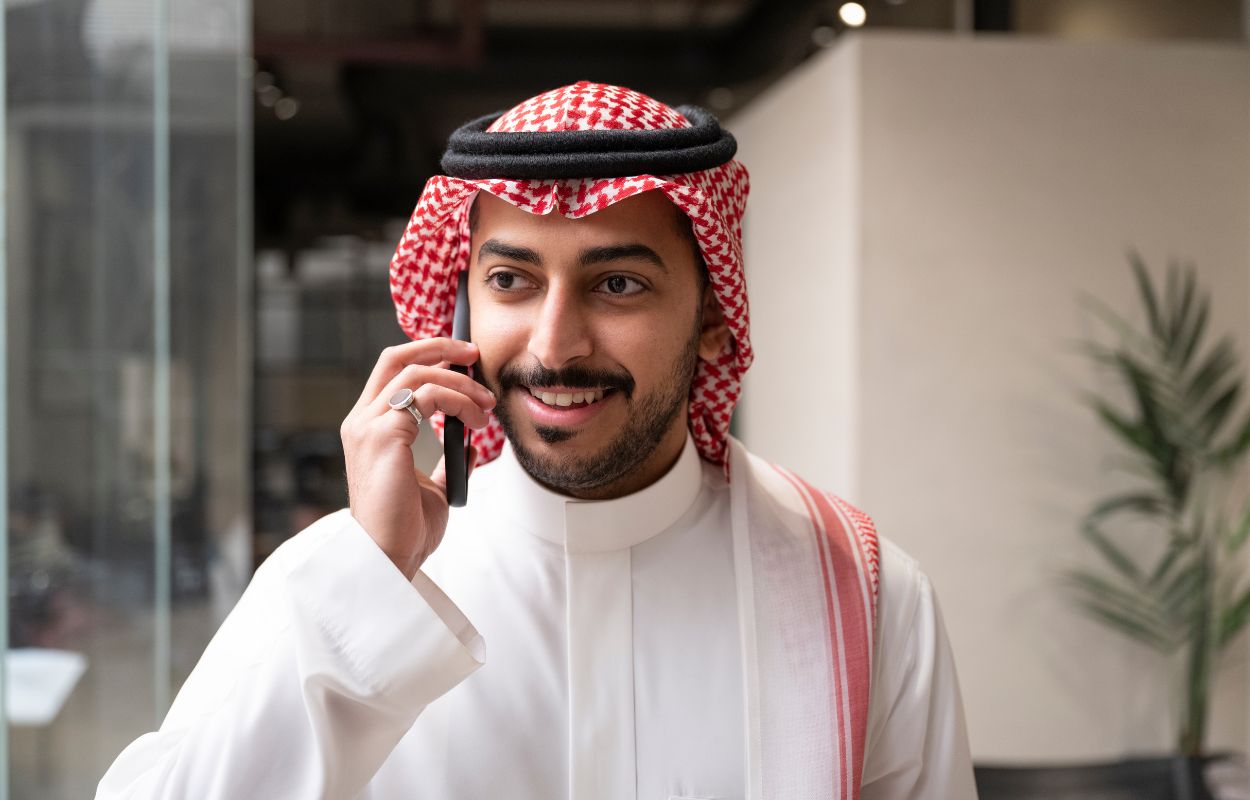
Dubai’s property market is in the middle of a powerful cycle, and the driving force behind it is clear: high-net-worth individuals (HNWIs) from Saudi Arabia and India. According to Knight Frank’s Destination Dubai 2025 report, an overwhelming 96% of surveyed Saudi investors and 86% of Indian investors intend to acquire property in Dubai.
These figures stand out globally, showing just how central these two groups have become to the emirate’s real estate boom.
This article explores why Saudi and Indian investors are leading the charge in Dubai’s real estate boom. It looks at the types of properties they are buying and how their spending patterns are reshaping both the luxury and commercial real estate landscape.
Dubai recorded 169,000 property transactions in 2024, worth AED 367 billion — a historic record. Much of this momentum can be traced to Saudi and Indian buyers, whose confidence in Dubai reflects both financial power and personal preference.
Knight Frank surveyed 387 global HNWIs with an average net worth of $22 million (excluding their primary residence). Collectively, they represented $8.3 billion in deployable wealth. Among them, Saudi and Indian respondents emerged as the most committed to investing in Dubai — significantly ahead of peers from Europe or North America.
This concentrated demand provides stability. Rather than being spread thin across dozens of source markets, Dubai benefits from deep, consistent inflows from two of the largest investor bases in the region and the world.
👉 Let’s discuss what this surge in high-value transactions means for uncovering premium opportunities tailored to your goals. Click here to schedule a call with me.
For wealthy Saudis, Dubai has become a natural extension of their lifestyle and investment strategy.
Several factors explain this alignment:
- Proximity and familiarity: Just a short flight away, Dubai offers ease of access and cultural affinity.
- Lifestyle match: Dubai provides luxury, privacy, and global connectivity — qualities Saudi elites increasingly prioritize.
- Policy comfort: Transparent regulations, full property ownership rights in designated areas, and investor-friendly visa programs create security for long-term commitments.
The scale of Saudi allocations stands out. On average, Saudi investors are prepared to spend around $45.7 million on Dubai property acquisitions.
This level of spending puts them at the very top of the international buyer spectrum, supporting demand not only for single assets but also for large-scale portfolio investments.
Indian investors have been a driving force in Dubai’s real estate market for years. They continue to rank among the largest and most active buyer groups.

Several dynamics continue to reinforce their position:
- Diaspora ties: Dubai has one of the world’s largest Indian expatriate communities, creating a natural pull for property ownership.
- Capital diversification: For HNWIs in India, Dubai represents a secure offshore market with tax and regulatory advantages unavailable at home.
- Generational wealth: Many Indian buyers are focused on family legacy planning, acquiring villas, and branded residences that double as both investments and residences for future generations.
On average, Indian HNWIs are allocating $30.3 million toward Dubai properties. This spending power underlines India’s role as a long-term driver of demand across both luxury and mid-tier segments.
The preferences of Saudi and Indian buyers are shaping development trends in Dubai:
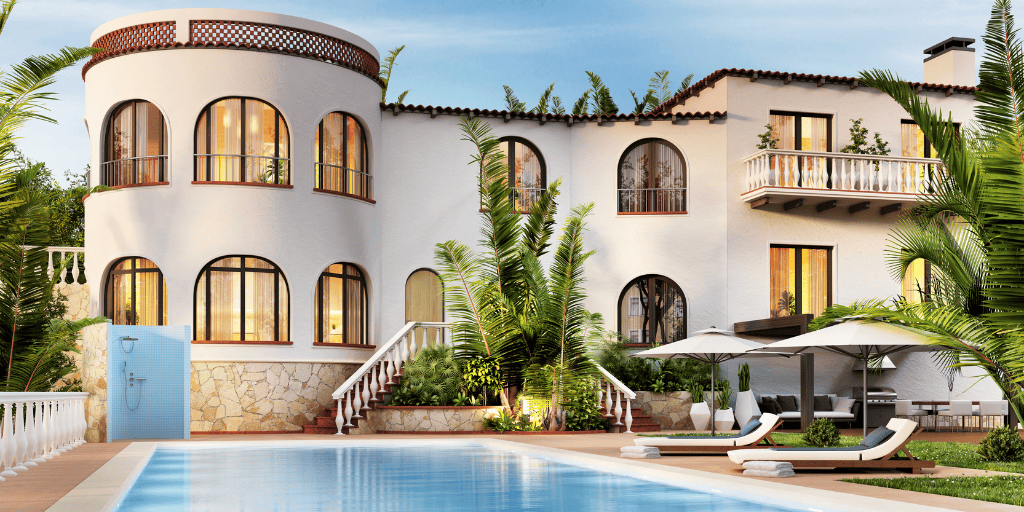
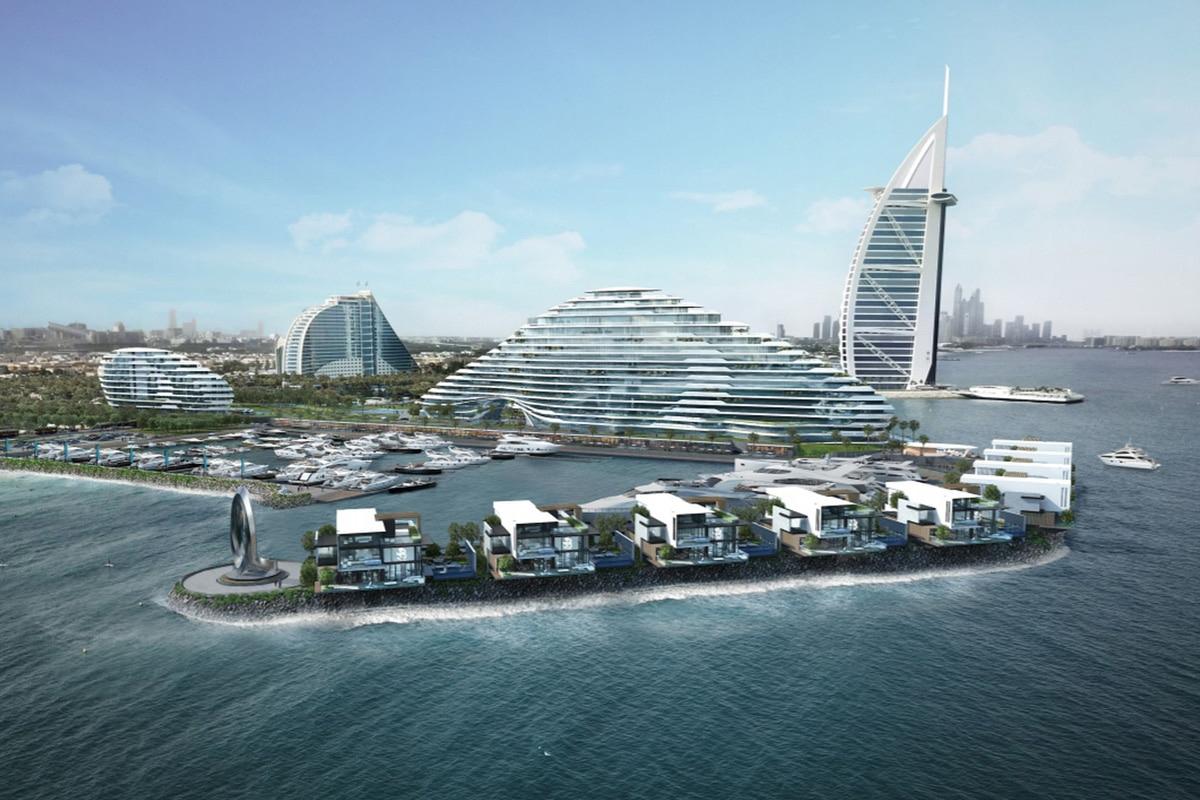
- Villas: Around 58% of Saudi investors favor villas, reflecting a demand for space, privacy, and luxury amenities. Many prefer waterfront locations such as Palm Jumeirah and Jumeirah Bay Island.
- Branded residences: Globally, 66% of HNWIs are interested in branded residences, but this demand is especially strong among Indians, who view them as status assets with global recognition.
- Land acquisition: A striking 83% of surveyed HNWIs — including many Saudis and Indians — expressed interest in buying land to develop bespoke homes. This points to a rising trend in personalization, where properties are tailored to family needs and lifestyle choices.
These preferences explain the surge in beachfront villa sales and ultra-luxury branded residences priced at more than $5,000 per square foot.
Buyers are not simply chasing returns — they are securing lifestyle assets that combine prestige, scarcity, and long-term value.
Saudi and Indian buyers are driving demand in Dubai’s most established areas, creating trophy markets where prices continue to climb.
Their top choices include:
- Palm Jumeirah – landmark villas and waterfront living
- Downtown Dubai – branded residences near business and cultural hubs
- Dubai Hills Estate – family-focused master-planned community with green space
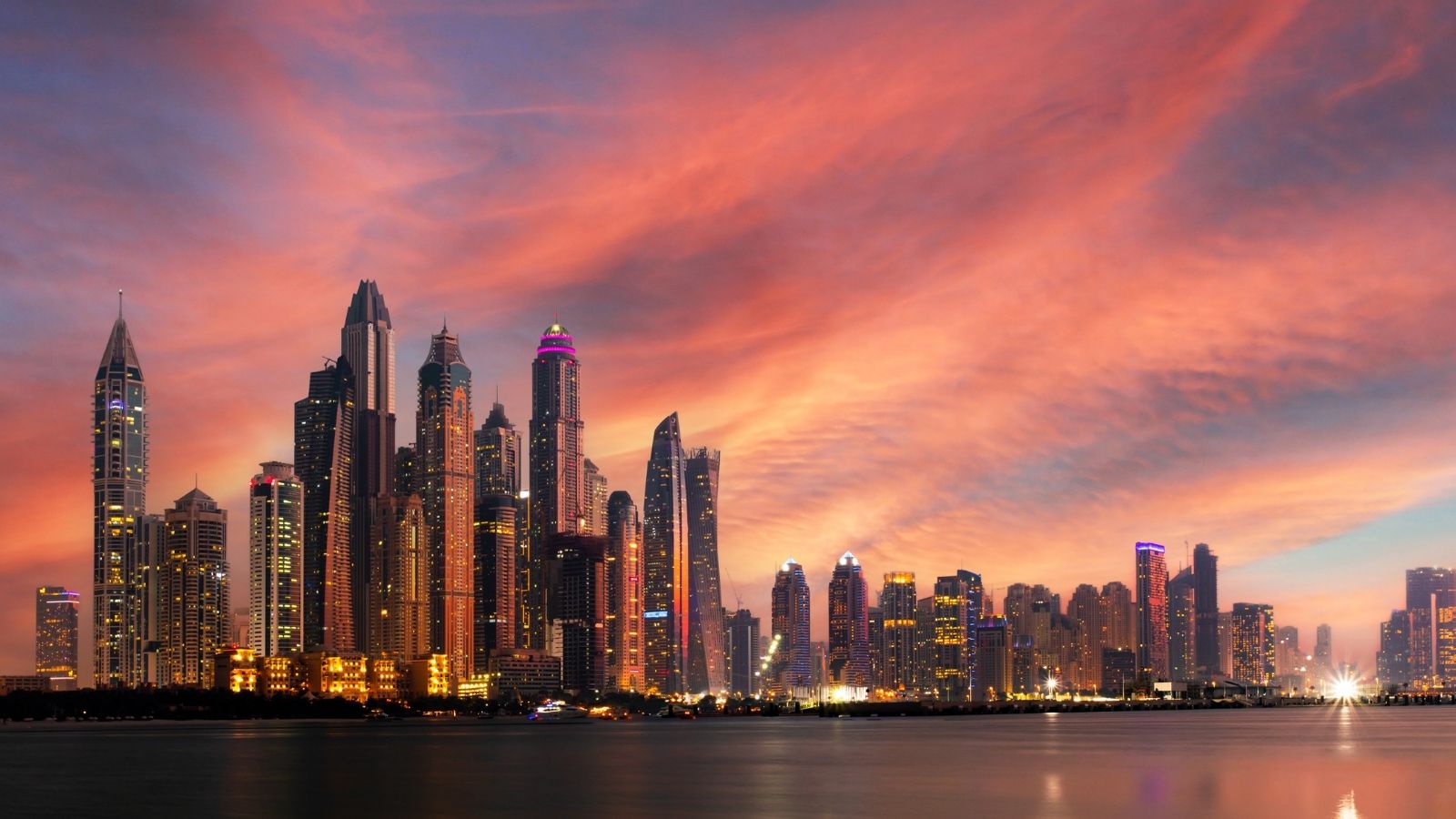
- Dubai Marina – high-rise luxury with waterfront access
In these districts, demand is strong enough to create waiting lists for prime properties, underscoring their appeal to high-net-worth buyers.
Dubai’s office market is benefiting directly from regional investor flows. Saudi and Indian businesses expanding into the UAE often establish headquarters in Grade A districts like DIFC, Business Bay, and Dubai Marina.
In Q2 2025, office sales reached AED 2.62 billion, representing a 93% year-on-year increase. Saudis and Indians are a key part of this demand — both as direct investors acquiring commercial floors and as corporate tenants requiring modern, high-specification office space.
Compared to global markets where office demand has softened due to hybrid work patterns (London, New York), Dubai stands out for its consistently low vacancy rates and rising rents. This resilience reflects how Saudi and Indian capital is underpinning long-term business commitments in the city.
Logistics and Industrial Assets
The logistics sector has become one of the most resilient asset classes globally, and Dubai is a natural hub. Rental growth in logistics assets rose 33% in 2024, with yields averaging 7.5% to 8%.
Here too, Saudi and Indian investors are active. Many are diversifying portfolios by acquiring warehousing and industrial facilities in strategic zones such as Jebel Ali Free Zone (JAFZA) and Dubai South.
This strategy aligns with growing trade flows between the Gulf, South Asia, and East Asia, where Saudi and Indian businesses play a pivotal role.
Explore My Commercial Listings: Get detailed breakdowns of office and retail investment opportunities in Dubai. Visit my commercial site to explore and connect with me for exclusive deals.
One of the most notable shifts is how Saudis and Indians are approaching Dubai real estate as a multi-generational investment.

For Indian families, acquisitions are often framed around legacy — ensuring children and grandchildren have a foothold in one of the world’s most dynamic cities.
For Saudi families, properties serve as both lifestyle bases and investment anchors, offering stability and diversification outside the kingdom.
This long-term perspective is important. Unlike speculative cycles of the past, today’s demand is anchored in end-user ownership.
Families buying primary residences or generational assets are far less likely to engage in short-term flipping, helping stabilize the market over time.
Still reading
Need expert help on this subject?
Sustainability is no longer a niche concern. Both Saudi Arabia and India have domestic agendas that emphasize green development — from Riyadh’s Vision 2030 initiatives to India’s renewable energy targets. Wealthy investors from both countries increasingly expect their Dubai properties to align with these values.
Developments with LEED or WELL certifications are seeing heightened demand. For investors, this reflects not only a commitment to environmental responsibility but also an understanding that green buildings often command higher rents and stronger long-term value.
In effect, Saudi and Indian buyers are pushing Dubai developers to deliver more sustainable, internationally certified projects — reshaping the market’s standards in the process.
When weighing Dubai against other destinations, the case for Saudis and Indians is particularly strong.
- London: Higher taxes, stamp duty, and political uncertainty reduce appeal.
- Singapore: Attractive but expensive, with restrictive property taxes for foreigners.
- New York: Strong market but higher borrowing costs and office sector uncertainty.
Dubai, by contrast, offers full ownership rights in freehold zones, no property or capital gains taxes, and proximity.
For Saudis, it is a short commute. For Indians, it is a four-hour flight. These practical advantages make Dubai a far more convenient and secure choice than distant global hubs.
Looking forward, Saudi and Indian investors will remain at the core of Dubai’s real estate growth story.
Their influence is expected to expand in several ways:
- Luxury segment strength: Ongoing appetite for beachfront villas and branded residences.
- Generational ownership: Continued acquisitions framed as legacy assets.
- Commercial expansion: Demand for office space as businesses relocate.
- Portfolio diversification: Growing interest in logistics and industrial assets.
- Sustainability shift: Premium placed on green-certified properties.
This concentration of demand ensures that Dubai will not just attract sporadic global interest but will be consistently reinforced by two of the world’s wealthiest and most active investor bases.
Published 16 September 2025 by Stephen James Mitchell MBA. Market figures quoted reflect the data available at that date.