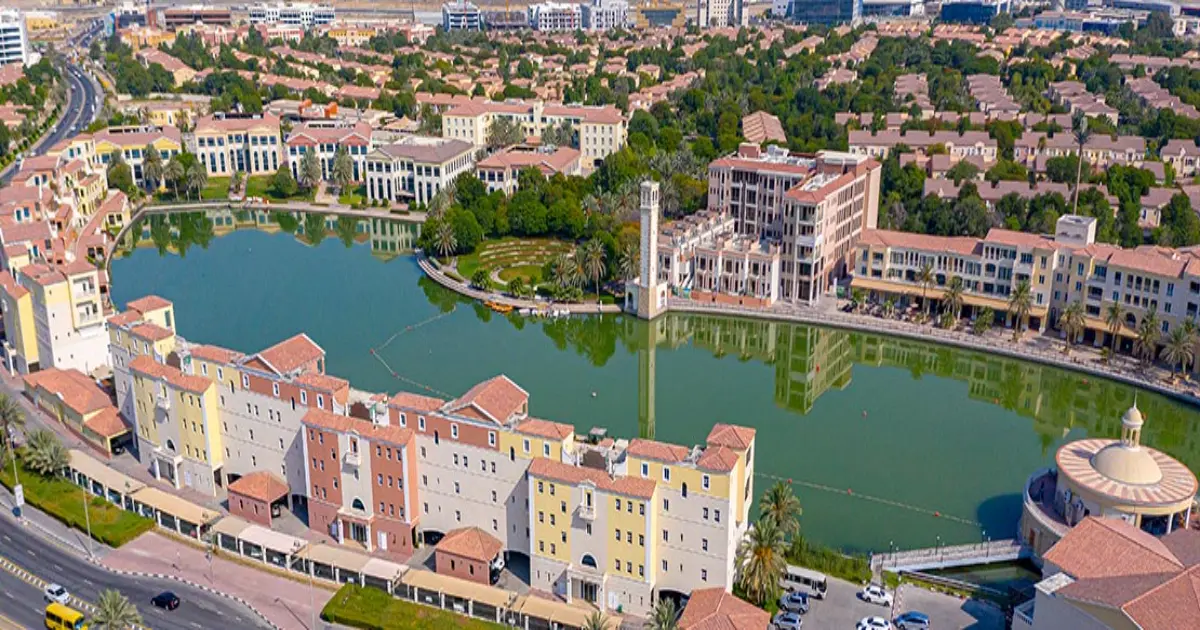
DUBAI INVESTMENT PARK: THE FREE ZONE COMMUNITY AND ITS INVESTMENT PROPOSITION
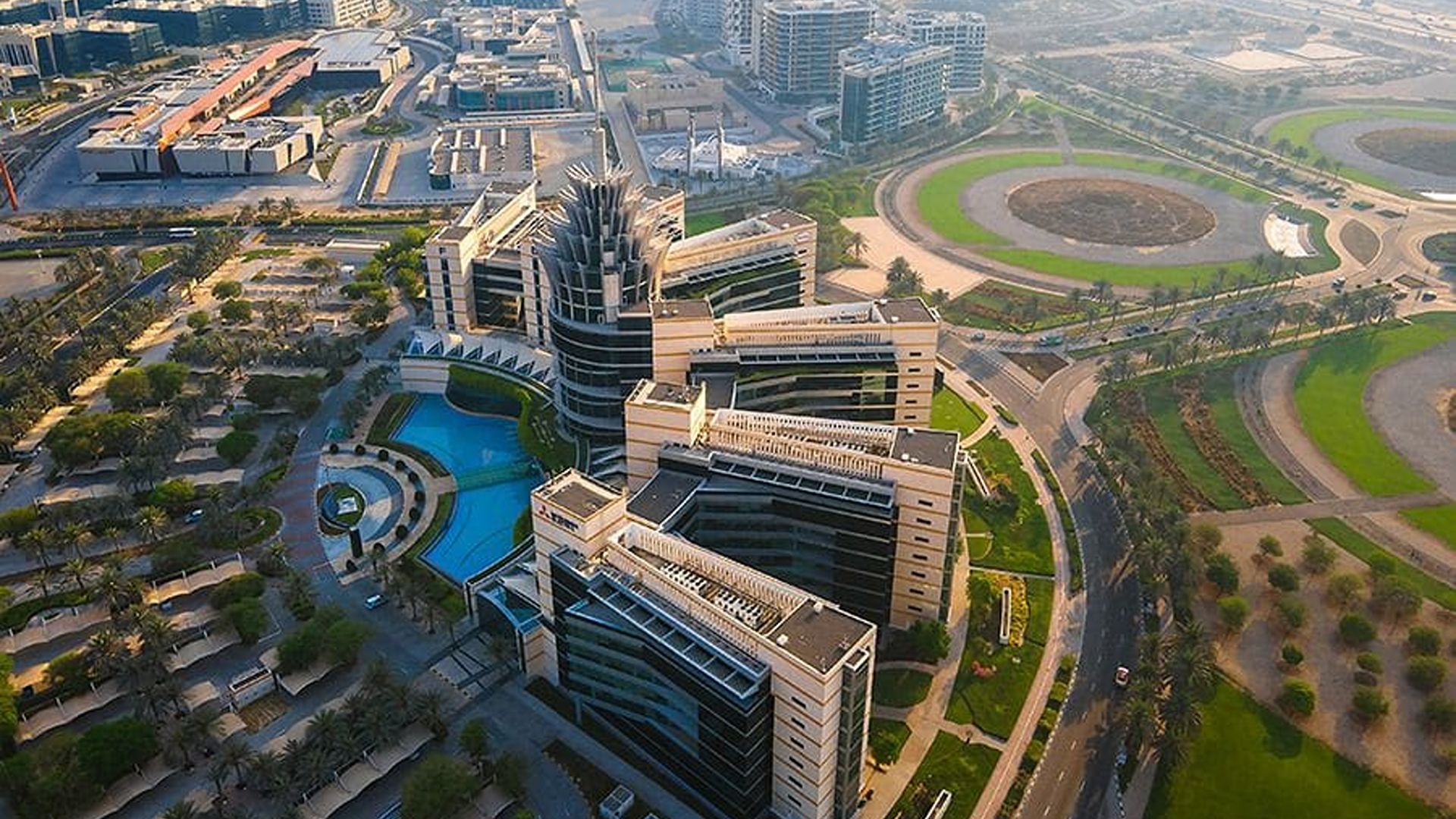
Dubai Investment Park is not a conventional residential development — it is a large-scale mixed-use free zone that happens to contain a significant residential component alongside industrial, commercial and logistics zones. This context matters enormously when evaluating DIP as an investment destination. The residential clusters sit within a broader economic zone, and understanding that context — the employment base it generates, the type of tenant it attracts, the infrastructure it provides — is fundamental to making an informed assessment of the residential investment case.
DIP was developed by Dubai Investment Park Development Company (DIPDCO), a subsidiary of Dubai Investments PJSC, which remains a major listed company on the Dubai Financial Market. The masterplan covers approximately 2,300 hectares, making it one of Dubai's largest planned zones, with the residential component — primarily concentrated in the Green Community — representing a relatively small proportion of the total land area. The Green Community, developed within DIP's residential cluster, is one of Dubai's earlier premium villa communities and established the residential character of the area.
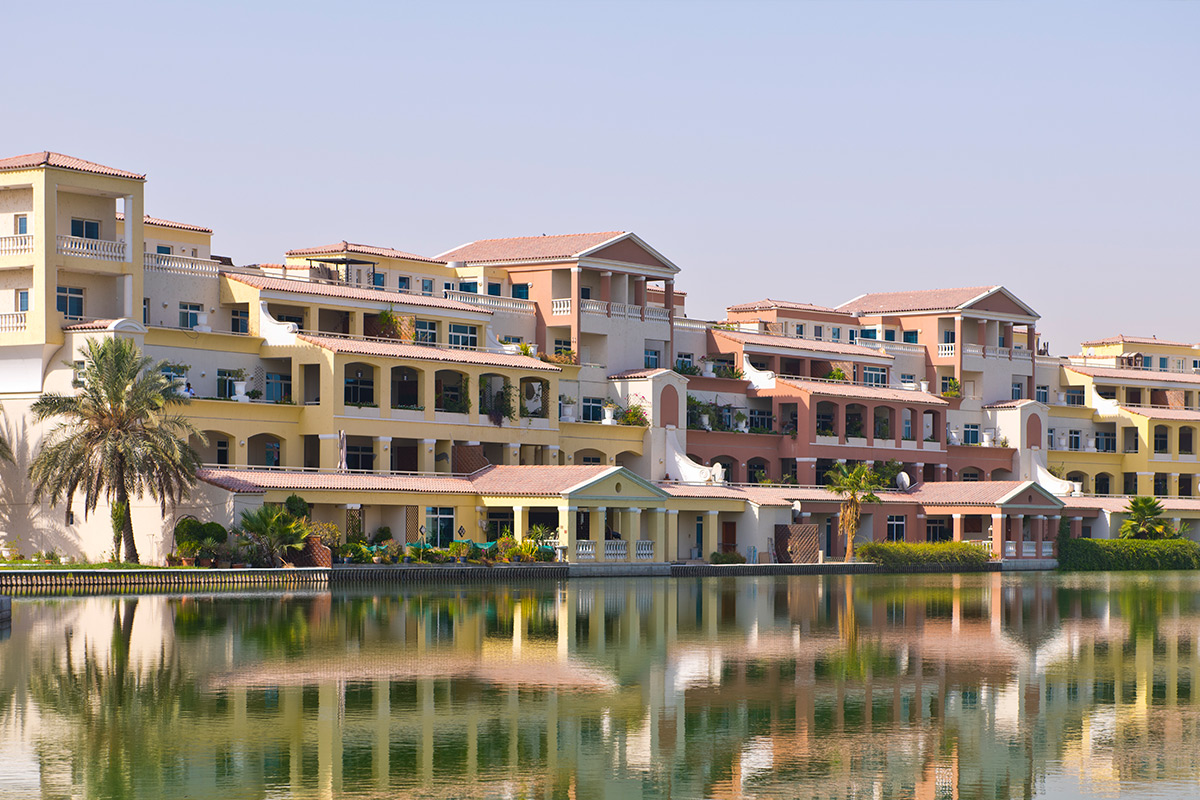
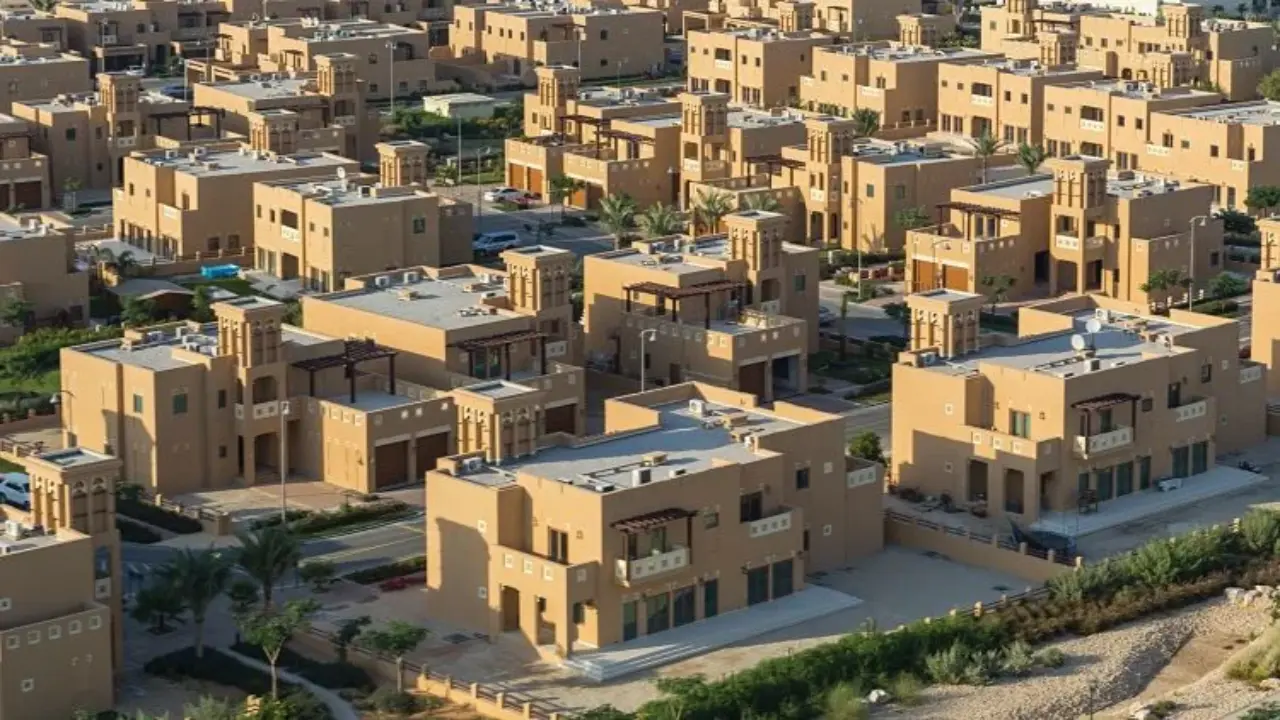
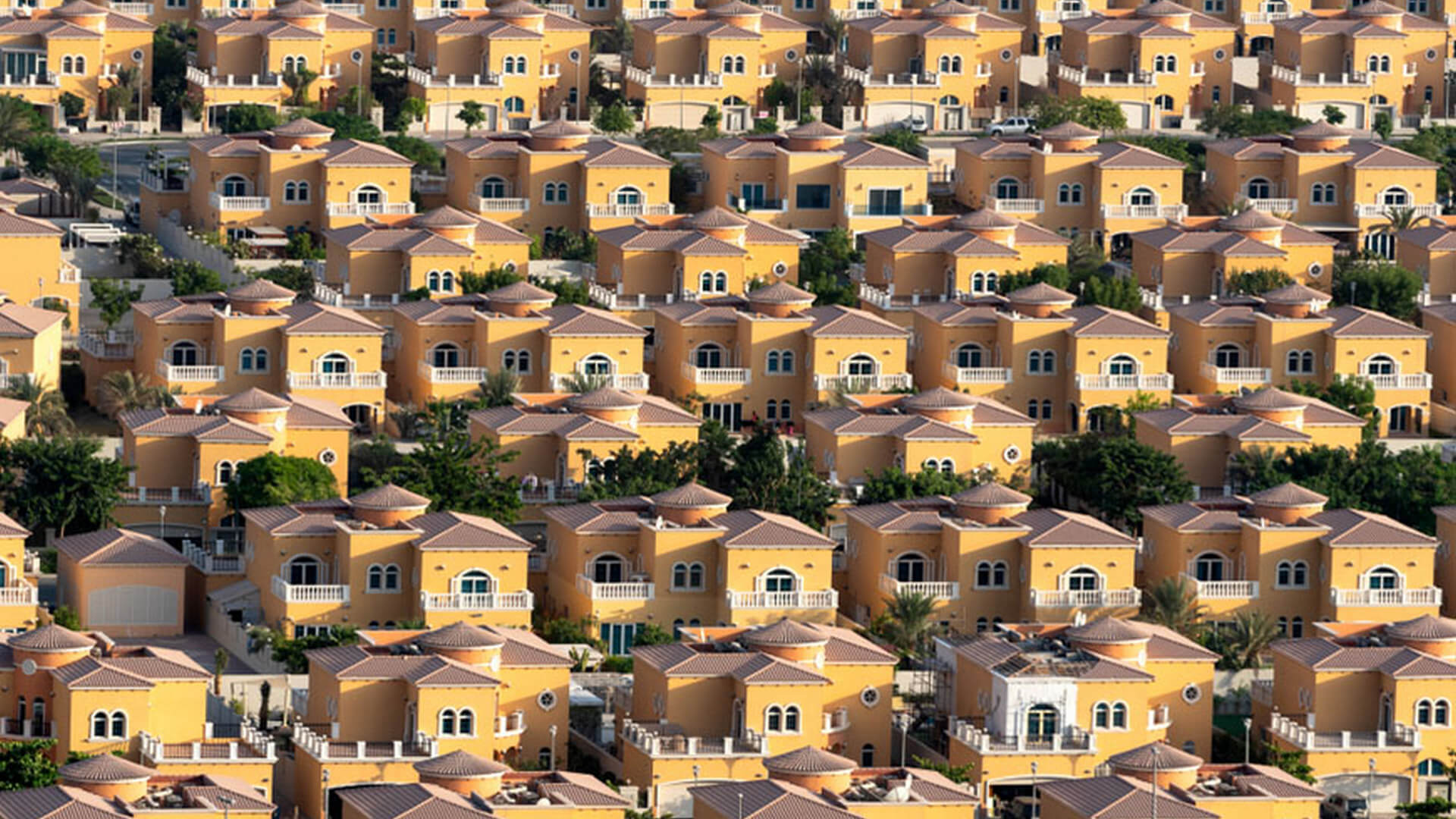
The residential product mix in DIP spans Green Community villas (3 to 5-bedroom) and townhouses, apartment clusters in the Ritaj community (1 to 3-bedroom), and some commercial units. The Green Community villas are the most sought-after product — set within landscaped gardens with mature trees and community infrastructure — and command premiums that reflect this established character. The Ritaj apartment community provides a more affordable apartment option within the same zone, serving the employee base of the surrounding industrial and commercial areas.
DIP launched in the early 2000s as one of Dubai's first major free zone and industrial park projects, with Green Community villa launch prices in the AED 380–450 per square foot range establishing the initial villa benchmark. The Green Community villas established a pricing premium early on due to their landscaped setting and self-contained infrastructure. Price performance has been more stable than many Dubai communities, partly because DIP's tenant base is tied to the industrial and logistics employment in the zone rather than purely to Dubai's financial and tourism sectors. The Route 2020 metro extension added the Dubai Investment Park metro station, providing public transport connectivity for the first time.
In the sections that follow, I will examine DIP's infrastructure and connectivity profile — particularly the Route 2020 metro connectivity and the Sheikh Mohammed Bin Zayed Road access that shapes both residential and commercial utility — the rental market dynamics driven by the zone's industrial and logistics employment base, and the supply picture in a mixed-use zone where residential development is constrained by the broader masterplan. I will close with a strategic framework for approaching DIP's residential investment across villa and apartment segments.
DUBAI INVESTMENT PARK: MARKET ANALYSIS AND INVESTMENT DYNAMICS
INFRASTRUCTURE AND CONNECTIVITY
DIP's connectivity profile improved materially with the opening of the Route 2020 metro line, which added the Dubai Investment Park station providing Red Line connectivity to Mall of the Emirates, Jebel Ali and ultimately to Expo City Dubai. Sheikh Mohammed Bin Zayed Road (E311) forms the major highway spine, and the zone has good internal road infrastructure designed for both residential and industrial traffic. The E11 Sheikh Zayed Road is accessible nearby via Emirates Road (E611). Within the residential clusters, the Green Community has its own community club, swimming pools, tennis courts, a community centre and retail. The Ritaj community has more basic infrastructure focused on apartment living. Given the industrial character of the broader zone, residential amenity within DIP is self-contained rather than integrated with a wider commercial district, which shapes both tenant expectations and the character of the community.
RENTAL MARKET AND TENANT PROFILE
DIP's rental market is characterised by its close connection to the industrial and logistics employment base within the zone itself. The largest tenant segment is professionals employed in DIP's industrial, warehousing, manufacturing and logistics operations — employees of the 5,000+ companies registered within the free zone. This creates a stable, relatively captive rental demand that is somewhat insulated from the broader Dubai residential market cycles. Green Community villas attract management-level professionals and families, achieving gross yields of 4–6 per cent. Ritaj apartments serve junior to mid-level employees and achieve higher gross yields of 6–8 per cent, with studios and 1-bedrooms most in demand. Tenant tenure in Green Community is typically 2–3 years or longer; Ritaj apartment turnover is higher. The captive employment base within the zone means vacancy rates tend to remain low even through market corrections.
SUPPLY DYNAMICS AND PORTFOLIO POSITIONING
DIP's residential supply is naturally constrained by the masterplan's predominantly industrial and commercial character. New residential development within DIP requires DIPDCO approval and is managed within designated residential zones — the Green Community and Ritaj phases represent the established residential footprint. Significant additional residential supply within DIP itself is unlikely given the industrial land use designation. External supply competition comes from adjacent communities — Discovery Gardens to the north, Al Furjan nearby, and the broader Jebel Ali corridor developments. Green Community villa supply is particularly limited and tends to see sustained demand from the zone's management-level employee population. The Ritaj apartment segment faces more competition from the broader corridor apartment supply, though the proximity to DIP's employment base provides a fundamental demand support that distinguishes it from purely speculative apartment projects.
DUBAI INVESTMENT PARK: INVESTMENT STRATEGY AND ENTRY POINTS
DIP presents two distinct investment pathways depending on product segment. The Green Community villa is the premium residential entry point — a mature, landscaped villa community with a captive tenant base tied to the zone's 5,000+ registered companies. Entry prices are above the corridor average for villa product, but the quality of the community infrastructure, the maturity of the landscaping and the stability of the tenant profile justify the premium. For investors seeking capital growth, Green Community villas in well-positioned sub-clusters have demonstrated consistent value retention and modest capital appreciation driven by the fundamental scarcity of quality villa product within the zone. Yield investors should note that 4–6 per cent gross is achievable on villa product — not exceptional, but underpinned by a stable, long-tenure tenant profile that minimises void periods and management costs.
The Ritaj apartment segment offers the higher yield play within DIP, with 6–8 per cent gross achievable on studios and 1-bedroom units. Entry prices are moderate relative to the broader Dubai apartment market, and the captive employment base within the zone creates reliable demand. Building selection matters — some Ritaj clusters have better facilities management and infrastructure than others. The Route 2020 metro connection to DIP station has added a connectivity dimension that was previously absent, making the apartment investment case more robust for tenants who rely on public transport. For investors comfortable with a mixed-use free zone environment rather than a conventional residential community, the Ritaj apartment provides a defensible yield investment with genuine demand fundamentals.
A complementary diversification angle is to pair a DIP position with Tier 1 Core Capital exposure in Dubai Marina, Dubai Harbour or Downtown Dubai, where capital growth dynamics compensate for DIP's more muted appreciation profile. The Green Community villa provides the defensive yield and stable tenant anchor in a tier-diversified Dubai portfolio, while a Ritaj apartment supplements the cashflow leg with higher gross yield. Investors who understand the specialist nature of the zone and match it to the right portfolio role will find DIP a useful, if unconventional, building block.
If you are considering Dubai Investment Park, the key is not deciding whether the area works — the fundamentals of a captive employment base, constrained residential supply and improving metro connectivity are sound — but rather understanding that DIP is a specialist market that rewards investors who appreciate its industrial-zone context. The investor who approaches DIP expecting a conventional community will be disappointed by the surrounding industrial landscape. The investor who understands that they are buying into a residential pocket within an employment zone, with genuine and stable tenant demand, will find that DIP's fundamentals hold up very well, typically suiting portfolios at the AED 1,000,000–3,500,000 capital commitment level for villa entry and AED 500,000–900,000 for Ritaj apartments.
SUPPLY DYNAMICS
DIPDCO master developer, residential constrained by industrial designation, Green Community stable
TENANT PROFILE
DIP free zone professionals, management families in villas, junior-mid employees in Ritaj
KEY RISK FACTORS
Industrial surroundings limit mainstream appeal, specialist market, capped capital growth, supply
KEY INFRASTRUCTURE
Dubai Investment Park sits along Sheikh Mohammed Bin Zayed Road (E311) in the broader Jebel Ali corridor, with Route 2020 metro access via the DIP station providing Red Line connectivity to Expo City, Jebel Ali and Mall of the Emirates. Sheikh Zayed Road (E11) is accessible via Emirates Road (E611) nearby. The zone is internally anchored by the Green Community club (swimming pools, tennis courts, community centre, retail strip), Ritaj apartment amenity cores, schools, nurseries, mosques and daily-service outlets alongside industrial, warehousing and logistics infrastructure serving 5,000+ registered free zone companies. Nearby external anchors include Expo City Dubai, Jebel Ali Free Zone, Al Maktoum International Airport (DWC), Ibn Battuta Mall and the wider Dubai South logistics cluster. Adjacent communities include Al Furjan, Discovery Gardens, The Gardens and Jebel Ali Village, reinforcing DIP's positioning as Dubai's industrial-zone residential pocket.
Area fundamentals
- ASSET PROFILE
- Free zone residential enclave with captive tenant base
- INVESTOR PROFILE
- Yield investor + captive-tenant specialist buyer
- TIER
- Tier 3 – Growth & Emerging
- MARKET TYPE
- Mixed-use, villas and apartments, mature free zone
- EST. POPULATION
- ~10,000–15,000
- LAND SIZE
- ~247.6m sq ft
Next step
Request a briefing
You will get Dubai Investment Park as a brief: the buildings on this page, the register readings behind them, and our view on each.