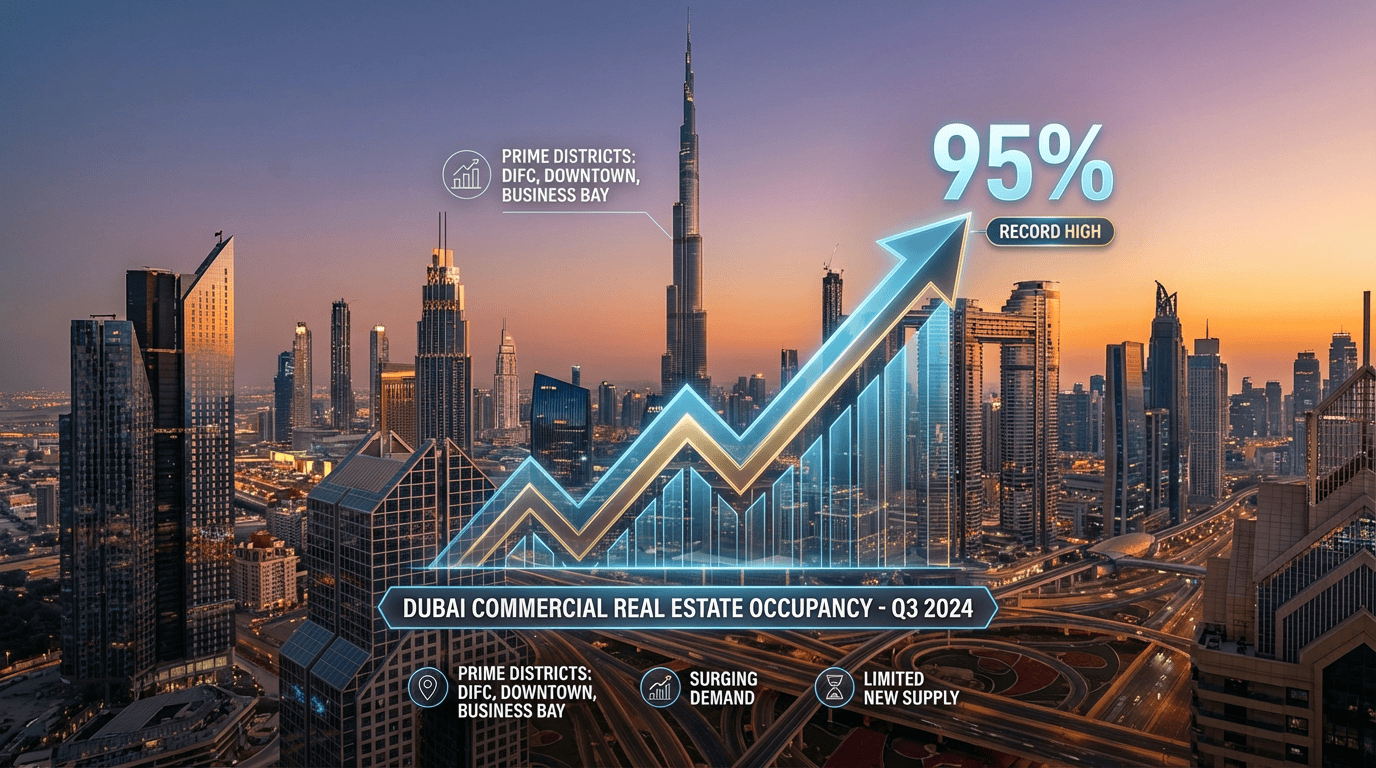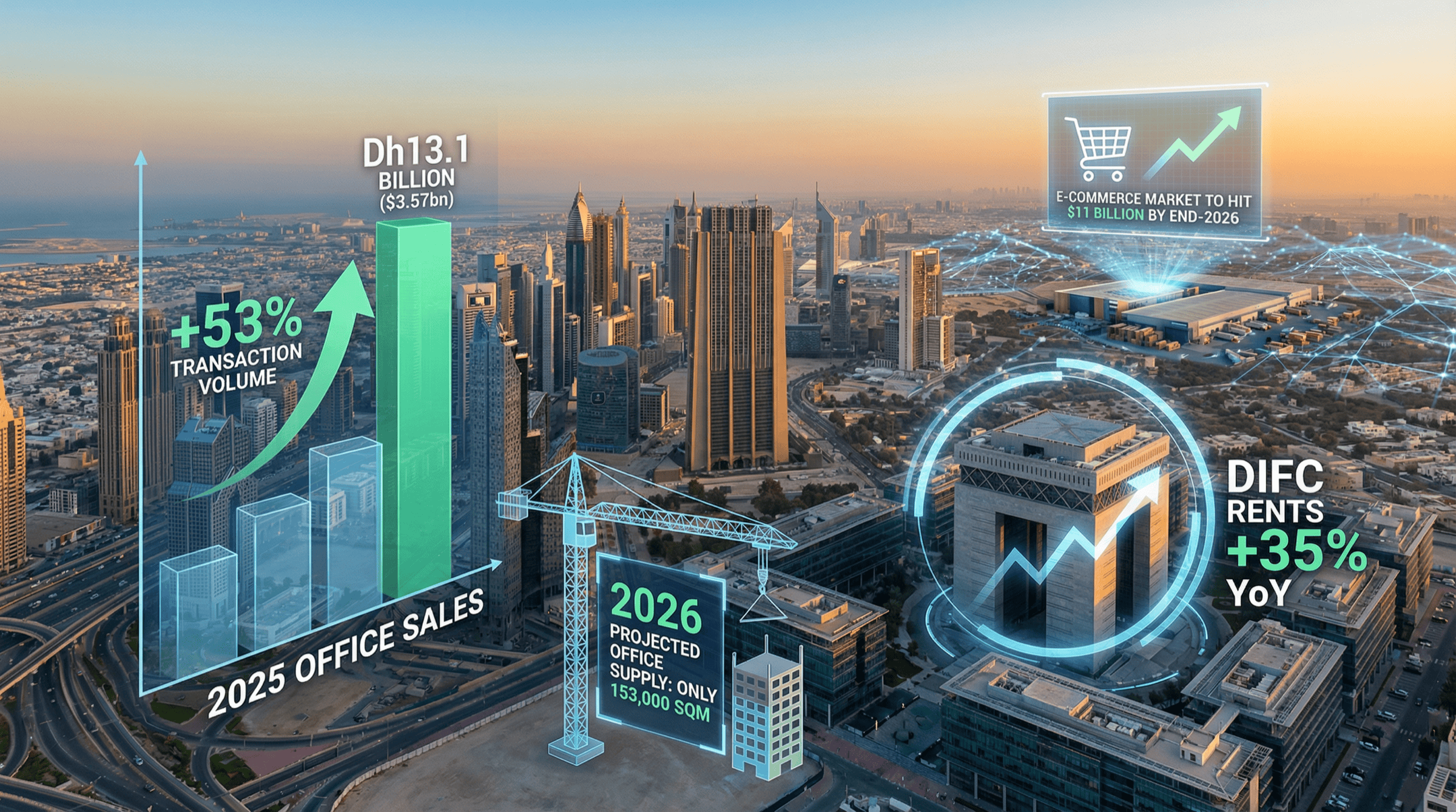
I believe we are in the early innings of a Commercial Property Boom in Dubai—but it looks very different from the speculative surges of past cycles. Instead of chasing anything with a title deed, investors in 2026 are quietly concentrating on three types of income-producing assets: modern offices, functional logistics space, and neighbourhood retail that serves real communities.
What strikes me in the latest 2026 outlooks is how much more logic there is in the way capital is moving. Chestertons and other commentators describe a market where demand is steady and disciplined, rather than frenzied—underpinned by business formation, trade flows, and population growth rather than short-term speculation.
At the same time, Dubai’s regulatory framework still anchors many businesses to physical premises, particularly when you look at mainland licences and more regulated free zones. That creates a structural floor under parts of the market and helps explain why this Commercial Property Boom is being led by offices, logistics and community retail instead of pure off-plan flipping.
→ View Available Commercial Listings – Explore a curated selection of office, retail, and logistics assets currently available for sale direct from developers.
Remote work is part of the conversation, but Dubai’s licensing reality remains very physical: most commercial and professional activities still require an office, flexi-desk or dedicated workspace, especially outside a handful of more flexible setups. That licensing requirement quietly sustains demand for offices even as occupiers become more selective about where and how they house their teams.
Recent commentary shows investor interest consolidating around off-plan and stabilised offices in corridors like Business Bay, JLT, Barsha Heights and emerging areas such as JVC and Arjan. Tenants I speak with are using lease events to trade up: leaving improvised, mixed-use arrangements for buildings with proper parking, efficient layouts, and credible services that support recruitment, client perception and day-to-day operations.
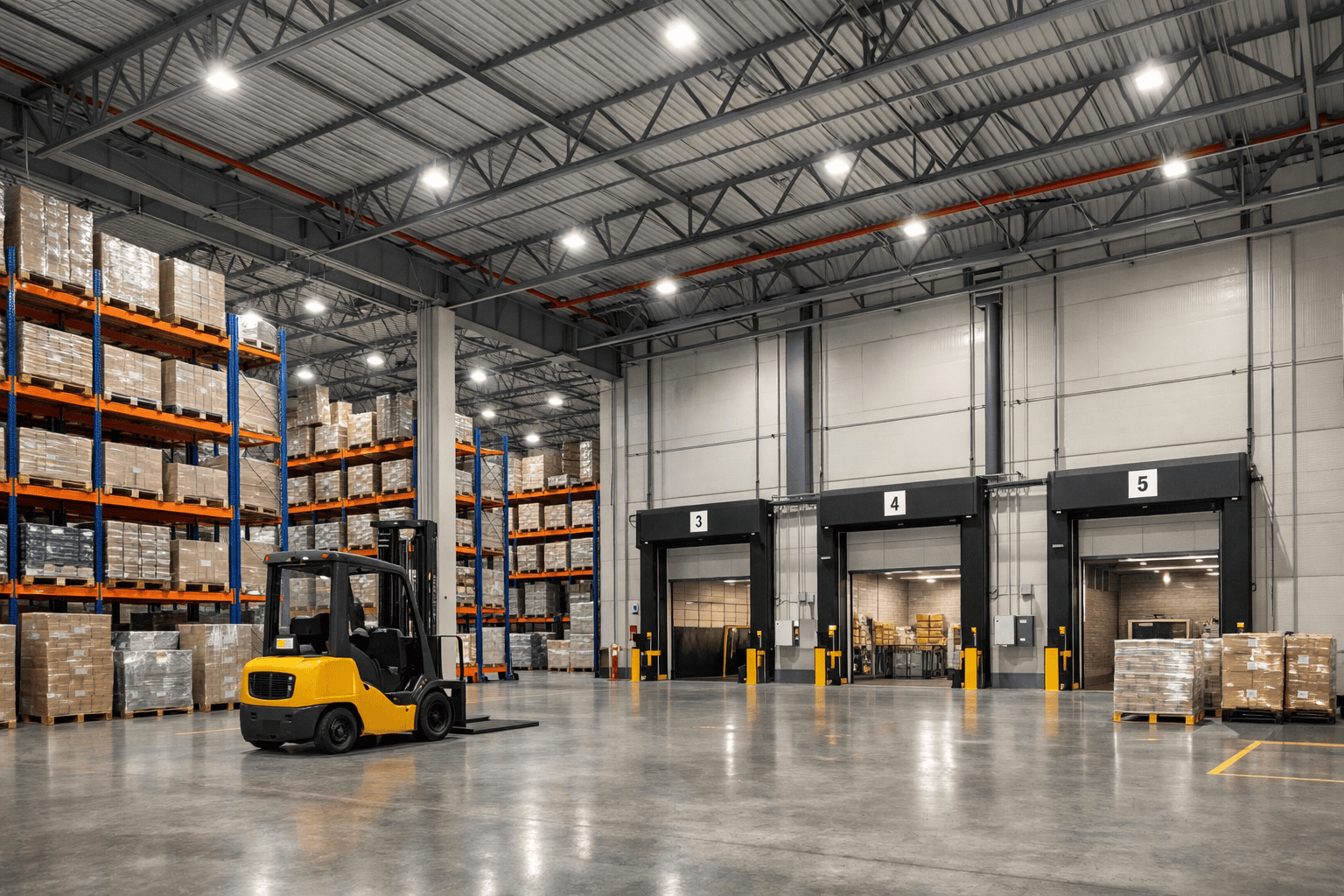
If there is a single segment that captures the shift from speculation to operations, it is logistics and warehousing. E-commerce, 3PLs, F&B, light manufacturing and even some service businesses now treat industrial space as a core productivity tool rather than just storage.
Reports covering Dubai Investment Park, Dubai Industrial City, National Industrial Park and Al Quoz point to tight availability in better-specified units, with rising rents where properties offer the right power, clear heights and loading access. Domestic investors tend to dominate development in this space—reflecting the need for local zoning knowledge, comfort with infrastructure decisions, and a willingness to hold assets through multi-year leasing and optimisation phases.
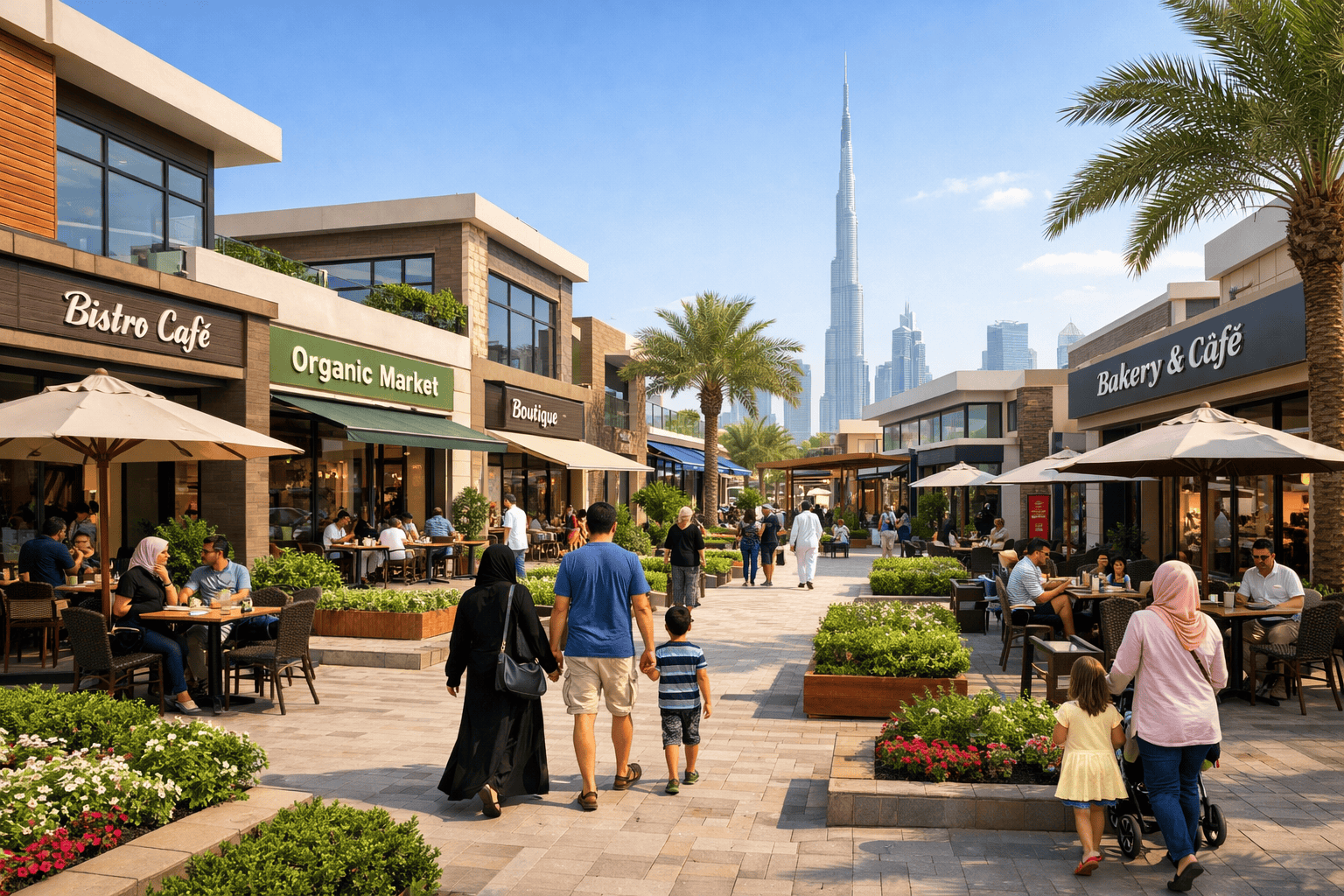
Dubai’s headline retail story still revolves around destination malls and record trading numbers in prime centres. But underneath that, a quieter pattern is emerging: small, community-anchored retail that is tightly aligned with daily life is attracting growing investor attention.
Analyses of the retail and warehouse market show high occupancy and resilient spending in neighbourhood centres serving established and fast-growing residential areas such as Al Barsha, Motor City and JVC. These schemes are typically anchored by supermarkets, clinics, gyms, nurseries and homegrown F&B—uses that draw resident footfall week in, week out, and that feel less exposed to tourism cycles.
Where I see investors coming unstuck is when they assume any ground-floor retail in a mixed-use building will behave the same way. Without convenient access, parking, visibility and the right catchment profile, those units can underperform despite being “in the right area” on paper.
Still reading
Need expert help on this subject?
In a high-choice city like Dubai, the risk in a Commercial Property Boom is not that there is nothing to buy—it is that it is very easy to buy the wrong thing. Here is how I am encouraging different clients to think about 2026:
Occupiers: If your licence and business model still rely on teams being on-site, start your conversations early. A 9–12 month horizon gives you a better choice of buildings, layouts and incentives; a 4–6 week scramble usually means compromises on location or specification.
Investors: Before looking at yield, ask why this asset should hold or improve its relevance over the next five to ten years. In offices, that means interrogating building quality and micro-location; in logistics, whether the estate aligns with trade and labour patterns; in community retail, whether the catchment genuinely depends on those services.
Developers: The market is rewarding clarity of purpose. Well-specified Grade A offices in the right corridors, truly modern logistics parks, and walkable neighbourhood centres with curated tenant mixes are all in demand; generic, unfocused schemes will find it harder to secure pre-leases and bank support in this environment.
At Mitchell’s Commercial Real Estate, my focus is on helping clients navigate this Commercial Property Boom with a clear, long-term thesis rather than a short-term trade. For some, that means securing office space in micro-markets where future supply is limited and licensing realities will support demand; for others, it means reallocating capital into logistics hubs that sit on the right side of trade corridors and infrastructure upgrades.
We are also doing more work around neighbourhood retail—helping owners design tenant mixes that align with real spending patterns, not just rent per square foot on a spreadsheet. Across all of these asset classes, the theme is the same: use the Commercial Property Boom to buy (or lease) assets that will still make sense a decade from now, not just next year.

→ Book a Private Consultation – Schedule a one-on-one strategy session to discuss your 2026 commercial strategy and explore tailored office, logistics, and neighbourhood retail opportunities in Dubai.
About Mitchell's Commercial Real Estate
Mitchell’s Commercial Real Estate is a Dubai-based brokerage and advisory firm focused exclusively on commercial property and special investor deals. We are independent, data-led, and grounded in years of local market experience, helping clients move with confidence through Dubai’s evolving Commercial Property Boom.
Next step
Discuss what this means for your position
Tell us what you are weighing up — a building, a project, an area, or a rule you need to get right — and we will come back with the specifics that apply to it.
Published 26 January 2026 by Stephen James Mitchell MBA. Market figures quoted reflect the data available at that date.