DUBAI SOUTH: EXPO CITY'S RESIDENTIAL LEGACY AND AVIATION DISTRICT OPPORTUNITY
Both stories have merit, but they operate on completely different timelines and attract very different investor profiles.
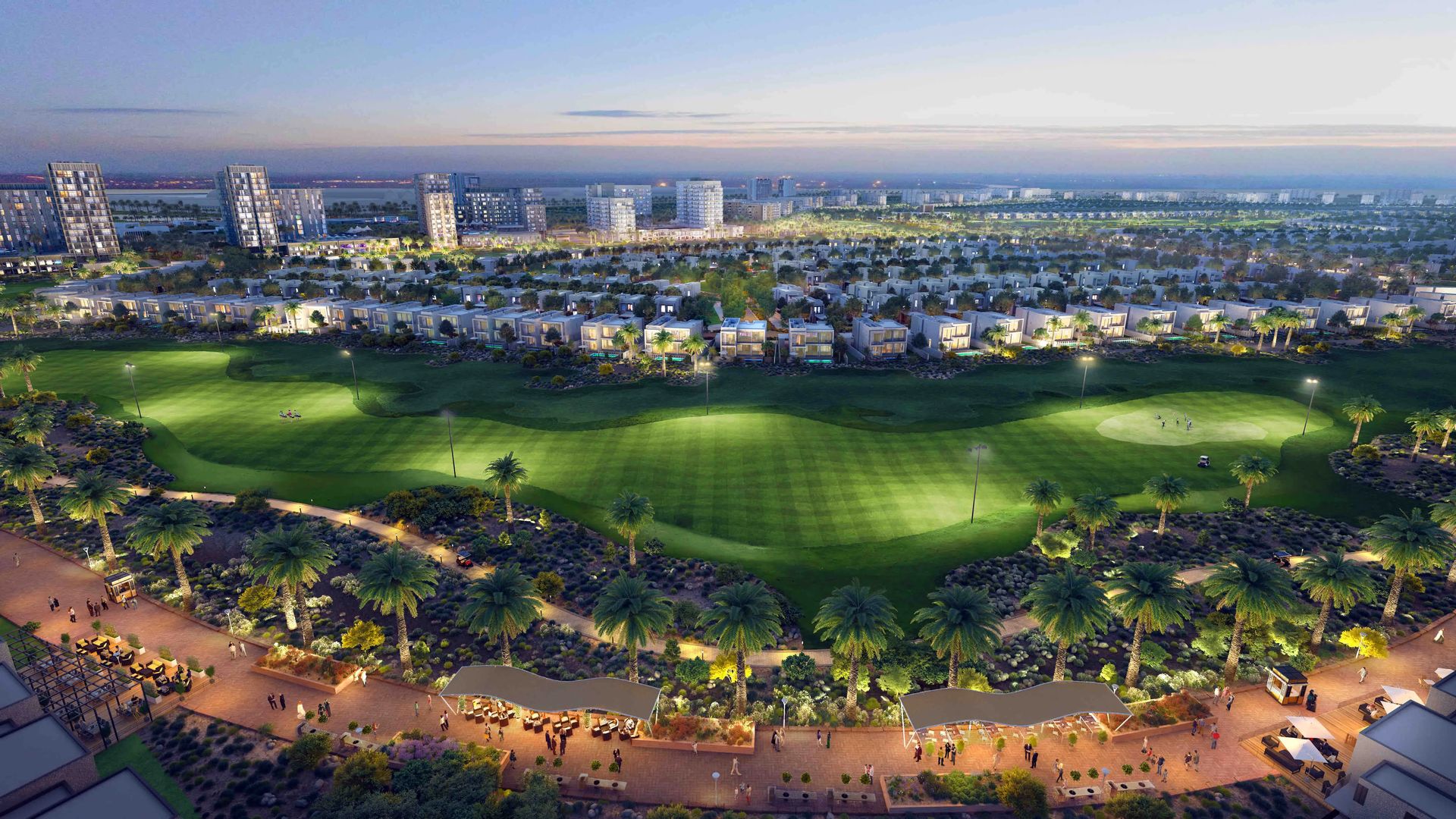
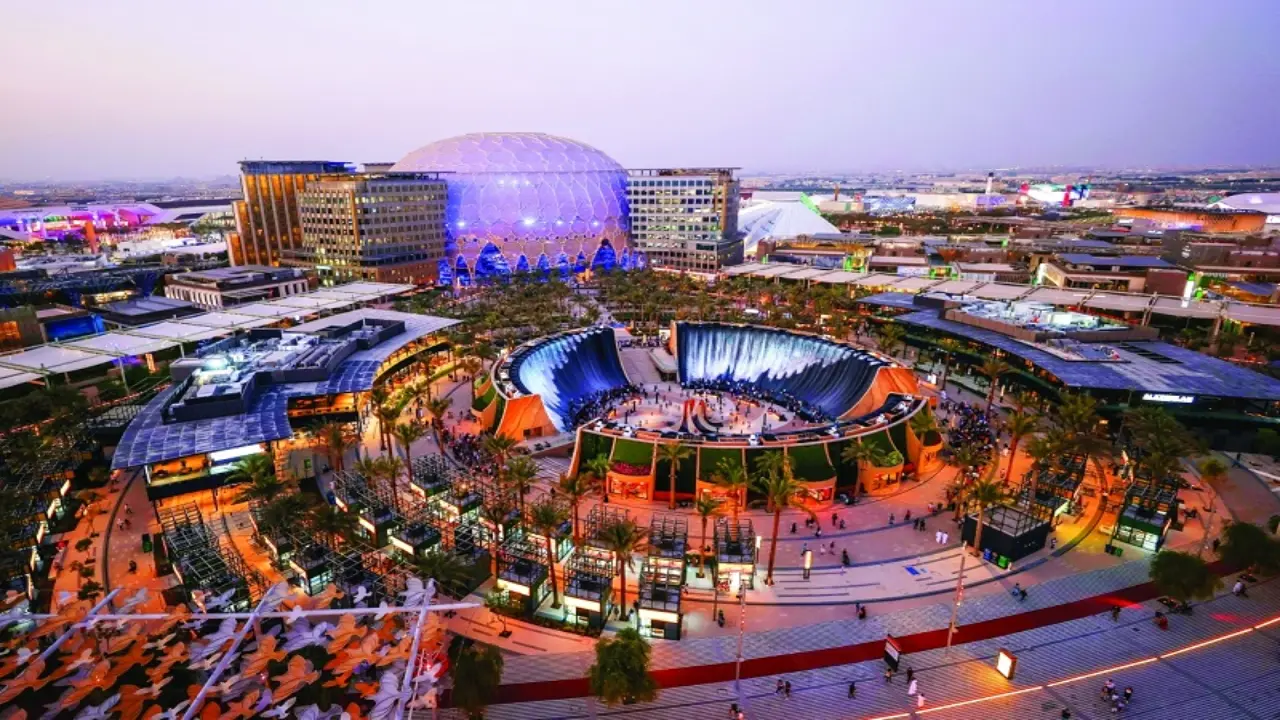
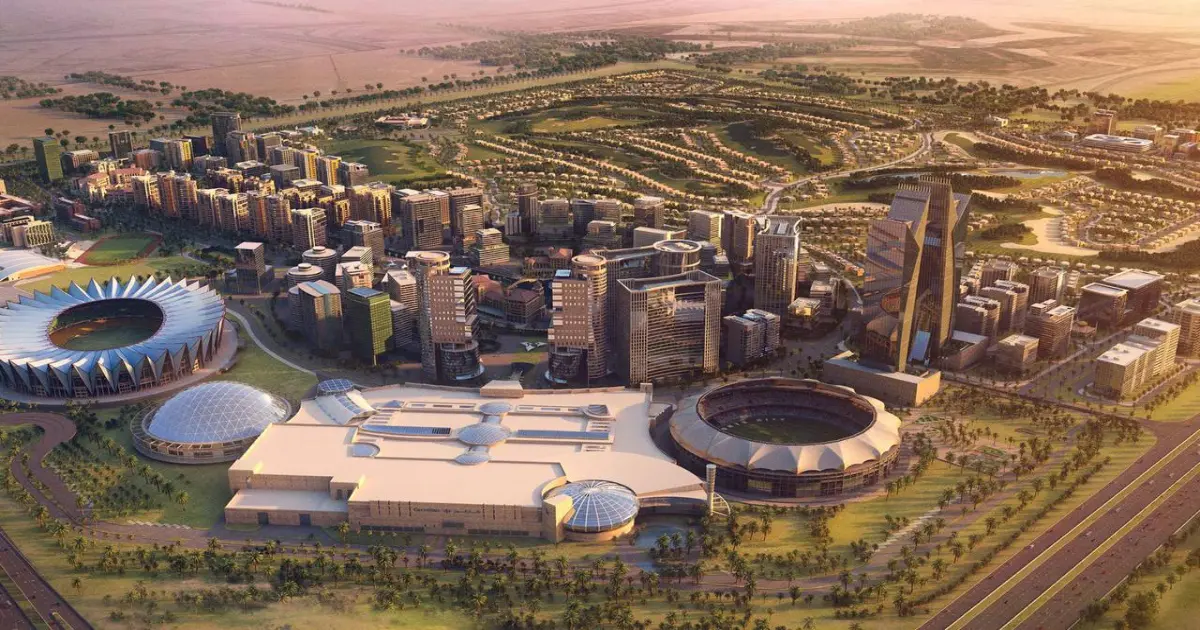
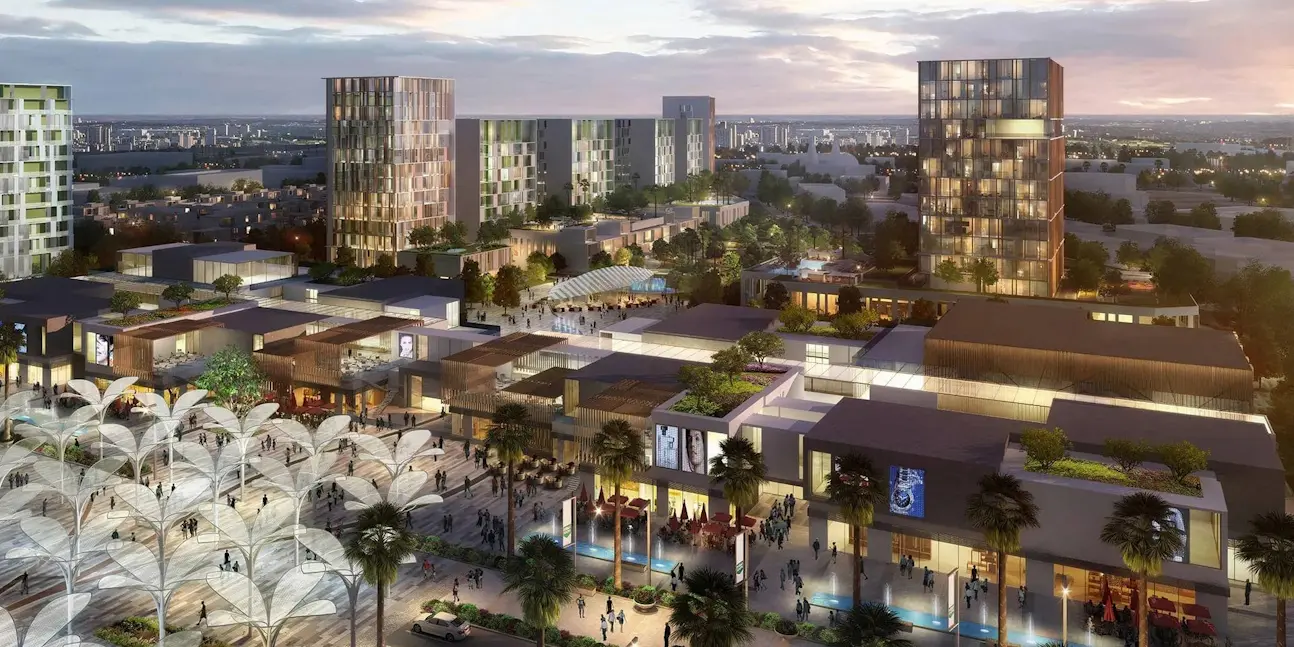
Dubai South was masterplanned by the Dubai government as a new city centred on the world's busiest airport and a major free zone and logistics hub. The Dubai South Development (formerly Dubai World Central) has been developing the district since 2006. The Expo 2020 event — held 2021–2022 after a COVID delay — left a legacy of residential, commercial and cultural infrastructure that was rebranded as Expo City Dubai in 2022. Multiple developers have launched residential projects within and adjacent to the Expo City zone, with Emaar, Dubai South Properties, and various other developers active in the corridor. Product is predominantly apartments, ranging from studios to 3-bedrooms.
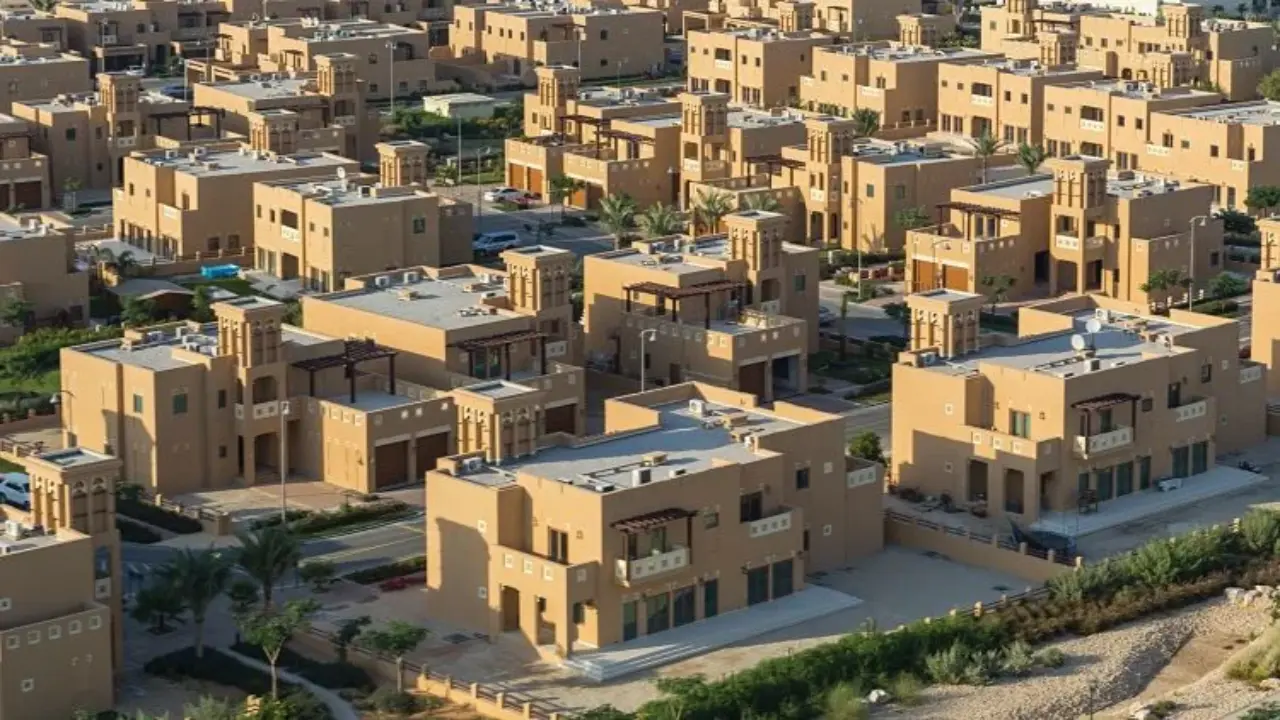
Product mix in Dubai South/Expo City is almost entirely apartments — studios, 1 and 2-bedroom units in mid-rise buildings — with a small number of townhouse clusters. Entry prices are among the most affordable in freehold Dubai, with studios available from AED 400,000 and 1-bedrooms from AED 600,000–900,000 in established projects. The low ticket size attracts first-time investors and those seeking headline yield percentages, though the absolute rental income levels are lower than more established communities. The Expo City hub, with its event venues, pavilions and convention facilities, provides a unique lifestyle amenity that distinguishes it from generic suburban apartment clusters.
Price evolution in Dubai South has been notable since Expo 2020 delivered its residential legacy. Units that launched at AED 450–750 per square foot pre-Expo have appreciated as the site transformed from construction zone to functioning community. The proximity to Al Maktoum International Airport — which is undergoing major expansion — creates a long-term demand driver that most investors currently discount because the expansion timeline is measured in decades rather than years. This is precisely where patient capital with a 10+ year horizon can find a compelling asymmetric opportunity: buying at today's affordable pricing before the airport expansion catalyses genuine population demand.
In the sections that follow, I will address the infrastructure picture — particularly the Route 2020 Metro which makes Dubai South one of the few emerging areas with genuine transit connectivity — the rental market dynamics and the tenant profile that currently drives occupancy, and the supply considerations investors must factor before committing. I will close with a strategy framework for positioning in this district across different capital profiles.
DUBAI SOUTH: MARKET ANALYSIS AND INVESTMENT DYNAMICS
INFRASTRUCTURE AND CONNECTIVITY
Dubai South's infrastructure story is anchored by the Route 2020 Metro extension, which connects the Expo City site to the existing Red Line network via the Expo, Dubai Investment Park, Furjan, Jumeirah Golf Estates and Discovery Gardens stations. This metro connectivity is rare among Dubai's emerging affordable districts and materially differentiates Dubai South from comparable-priced communities like International City or Dubailand. The Sheikh Mohammed Bin Zayed Road (E311) and Emirates Road (E611) provide dual highway access, while Al Maktoum International Airport sits within the masterplan boundary. Current road infrastructure is well-developed for existing population levels, but the site retains significant undeveloped land that will require phased infrastructure investment as the broader district fills in over the coming decades.
RENTAL MARKET AND TENANT PROFILE
The rental market in Dubai South/Expo City is driven primarily by logistics and aviation sector workers, professionals employed in the Dubai South free zones, and a growing segment of remote workers and young professionals attracted by the affordable rents and metro connectivity. Studios achieve AED 35,000–50,000 per annum and 1-bedroom apartments AED 55,000–80,000, depending on building quality and proximity to the Expo City hub. Yield percentages are high relative to absolute capital values — gross yields of 6–9 per cent are achievable on well-chosen units — but investors should understand that the high yield is partly a function of low entry prices rather than exceptional rental rates. Tenant quality is generally stable, with the free zone employment base providing consistent occupancy, and the Expo City events calendar generating short-term demand spikes that benefit serviced apartment operators in particular.
SUPPLY DYNAMICS AND PORTFOLIO POSITIONING
Supply risk in Dubai South is real and must be assessed carefully. The district has an enormous planned pipeline — tens of thousands of units are either approved or in various stages of development — and the absorption rate depends on population growth that in turn depends on the airport expansion materialising. In the near term, the established Expo City residential zone is relatively contained, with completed supply concentrated in a small cluster of projects. It is the broader Dubai South masterplan that carries the significant pipeline risk, with multiple developers launching apartment towers across the logistics and residential zones simultaneously. Investors who understand the distinction between Expo City-proximate units with metro access and peripheral Dubai South developments further from the established hub will make considerably better entry decisions. Positioning in the former rather than the latter is the key supply-risk mitigation strategy in this district.
DUBAI SOUTH: INVESTMENT STRATEGY AND ENTRY POINTS
The primary entry point in Dubai South is the studio and 1-bedroom apartment in the Expo City-proximate cluster, purchased either off-plan from an established developer or as a completed resale unit. Off-plan offers the payment plan advantage — many Dubai South developers structure 40/60 or 50/50 plans with post-handover components — which allows investors to control a leveraged position with limited initial capital outlay. The risk of off-plan in this district is project delivery quality and timeline; investors should prioritise developers with a completed handover track record in Dubai South rather than new entrants to the corridor. Completed resale units in established buildings provide immediate rental income and eliminate delivery risk, though the entry price premium over off-plan narrows the yield spread.
For capital growth positioning, the asymmetric opportunity lies in the airport expansion thesis. Al Maktoum International Airport is planned to eventually handle over 260 million passengers annually — making it the world's largest airport by capacity — and the residential community required to support that aviation hub represents a multi-decade demand story. Investors who can absorb a 10–15 year hold horizon and are comfortable with the execution risk of a government infrastructure programme of this scale may find that today's AED 800–1,100 per square foot pricing looks very different when the airport reaches operational maturity. This is not a short-term trade; it is a long-term structural position that requires patient capital and conviction in the UAE government's infrastructure delivery track record.
A complementary diversification strategy is to pair a Dubai South Expo City apartment with a Tier 1 Core Capital anchor in Downtown Dubai, Dubai Marina or Palm Jumeirah. The Dubai South apartment provides the long-duration growth leg and affordable cashflow; the Tier 1 anchor captures the premium capital growth profile of core Dubai. For investors constructing a true three-tier residential portfolio, Dubai South sits naturally as the Tier 3 Growth leg with the most asymmetric upside profile of any current Dubai submarket.
If you are considering Dubai South, the key is not deciding whether the area works — it is deciding which part of the district you are buying into and on what timeline. The Expo City residential hub with metro access is a functioning community with real rental demand today; the broader Dubai South masterplan is a long-duration infrastructure bet that requires a different investment framework. Mixing these two stories leads to poor decisions. Define your objective, select the product and location accordingly, and ensure your liquidity horizon matches the district's maturity curve. Dubai South rewards investors who understand what they are buying and why, typically suiting portfolios at the AED 400,000–1,000,000 capital commitment level for Expo City apartments.
SUPPLY DYNAMICS
Dubai South Development master developer, multi-developer apartment towers, large pipeline
TENANT PROFILE
Logistics and aviation workers, free zone professionals, affordable metro apartment renters
KEY RISK FACTORS
Airport expansion timeline, large supply pipeline, long liquidity horizon, absorption risk
KEY INFRASTRUCTURE
Dubai South sits between Sheikh Mohammed Bin Zayed Road (E311) and Emirates Road (E611) in Dubai's southern corridor, with Route 2020 metro access via the Expo, Dubai Investment Park, Furjan and Jumeirah Golf Estates stations providing Red Line connectivity to central Dubai. Al Maktoum International Airport sits within the masterplan boundary. The district is internally anchored by Expo City Dubai (the Expo 2020 legacy site with Al Wasl Plaza, country pavilions, Dubai Exhibition Centre and the Garden in the Sky), the Dubai South Free Zone and logistics hub, Dubai South Business Park, the planned aviation city and residential, commercial and hospitality clusters across the 145 sq km masterplan. Nearby external anchors include Expo City, Jebel Ali Free Zone, Jebel Ali Port and Dubai Parks and Resorts. Adjacent communities include Dubai Investment Park, Discovery Gardens and Al Furjan, reinforcing Dubai South's positioning as Dubai's long-duration airport-anchored growth district.
Area fundamentals
- ASSET PROFILE
- Government-backed airport-anchored growth city
- INVESTOR PROFILE
- Affordable yield investor + airport-thesis long-hold buyer
- TIER
- Tier 3 – Growth & Emerging
- MARKET TYPE
- Emerging, apartments, mixed-use, multi-developer
- EST. POPULATION
- ~20,000–40,000 (projected)
- LAND SIZE
- ~1.56bn sq ft
Next step
Request a briefing
You will get Dubai South as a brief: the buildings on this page, the register readings behind them, and our view on each.