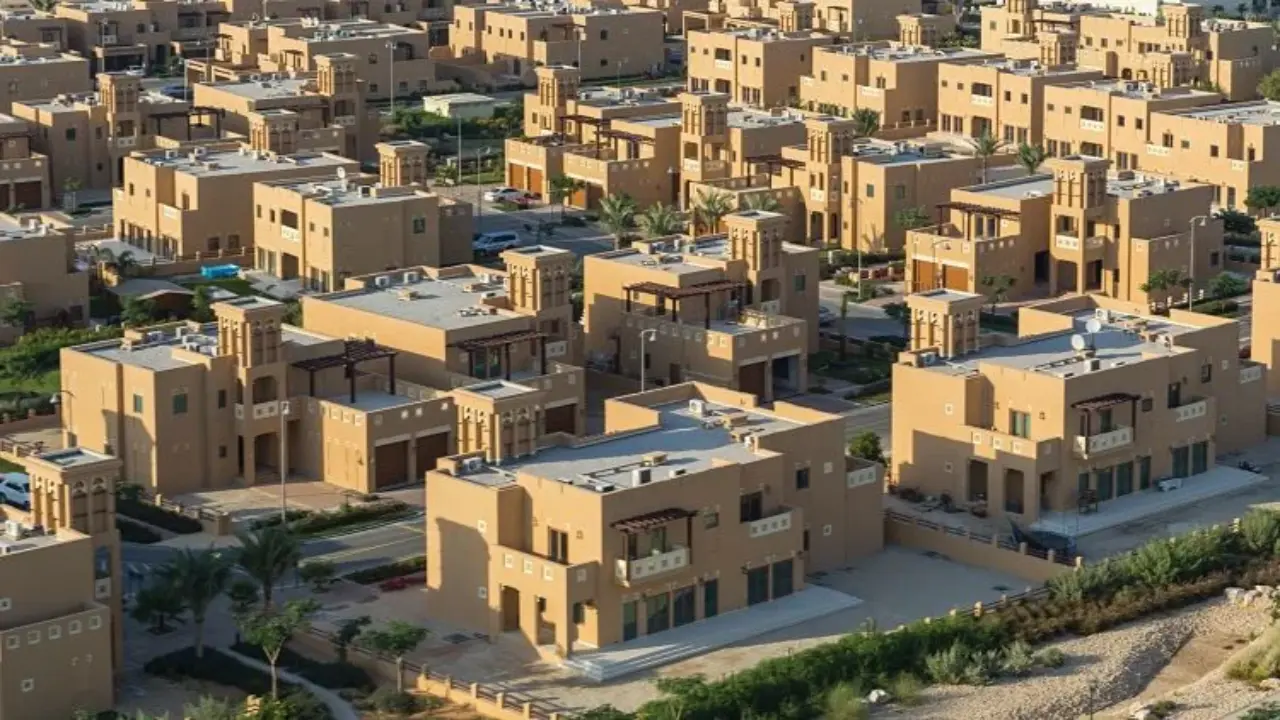
AL FURJAN: NAKHEEL'S MID-MARKET COMMUNITY AND ITS INVESTMENT CASE
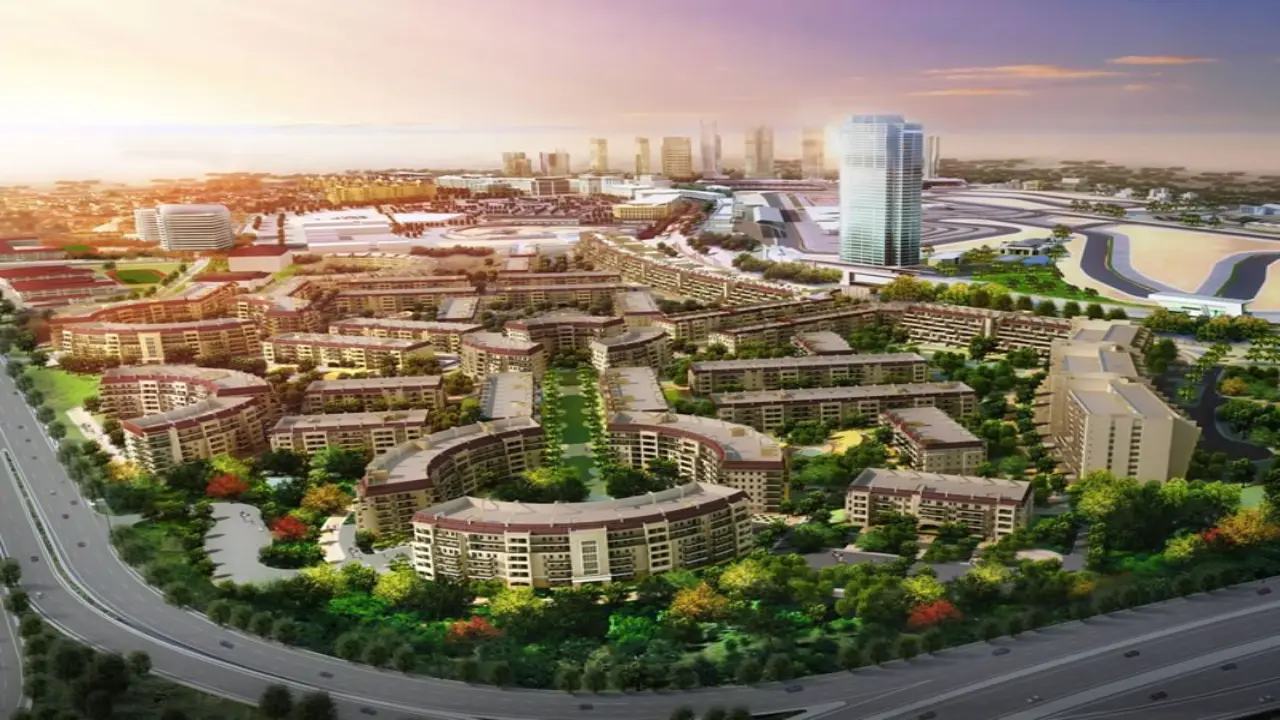
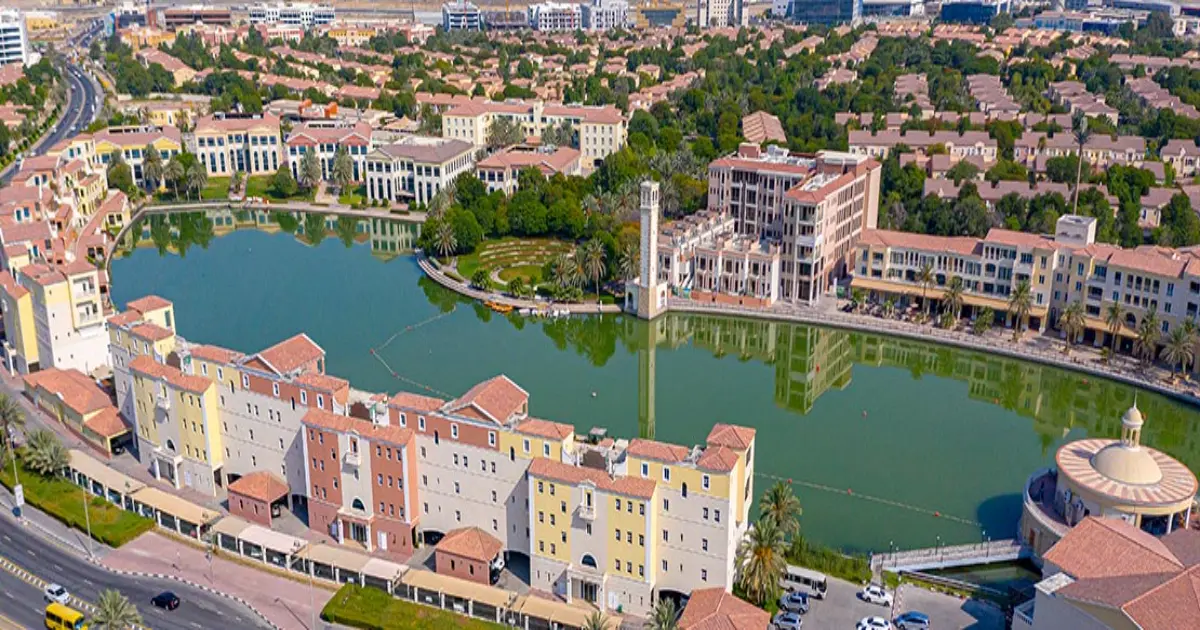
Developed by Nakheel as a townhouse and apartment community in the Jebel Ali corridor, Al Furjan was conceived as an affordable alternative to the established villa communities further north. The community launched in the mid-2000s, experienced the full cycle of Dubai's market correction, and has since delivered a stable, established residential neighbourhood that attracts genuine end-user demand alongside investment interest.
Nakheel delivered Al Furjan across several phases, with the masterplan covering approximately 560 hectares and providing a mix of townhouses, villas, and apartment clusters. The developer model here is different from many Dubai communities in that Nakheel brought in multiple sub-developers to deliver the apartment component — creating a community with diverse building quality, management standards and product specifications under a single masterplan umbrella. The townhouse and villa component remains Nakheel-developed and represents the more consistent and in-demand segment of the community.
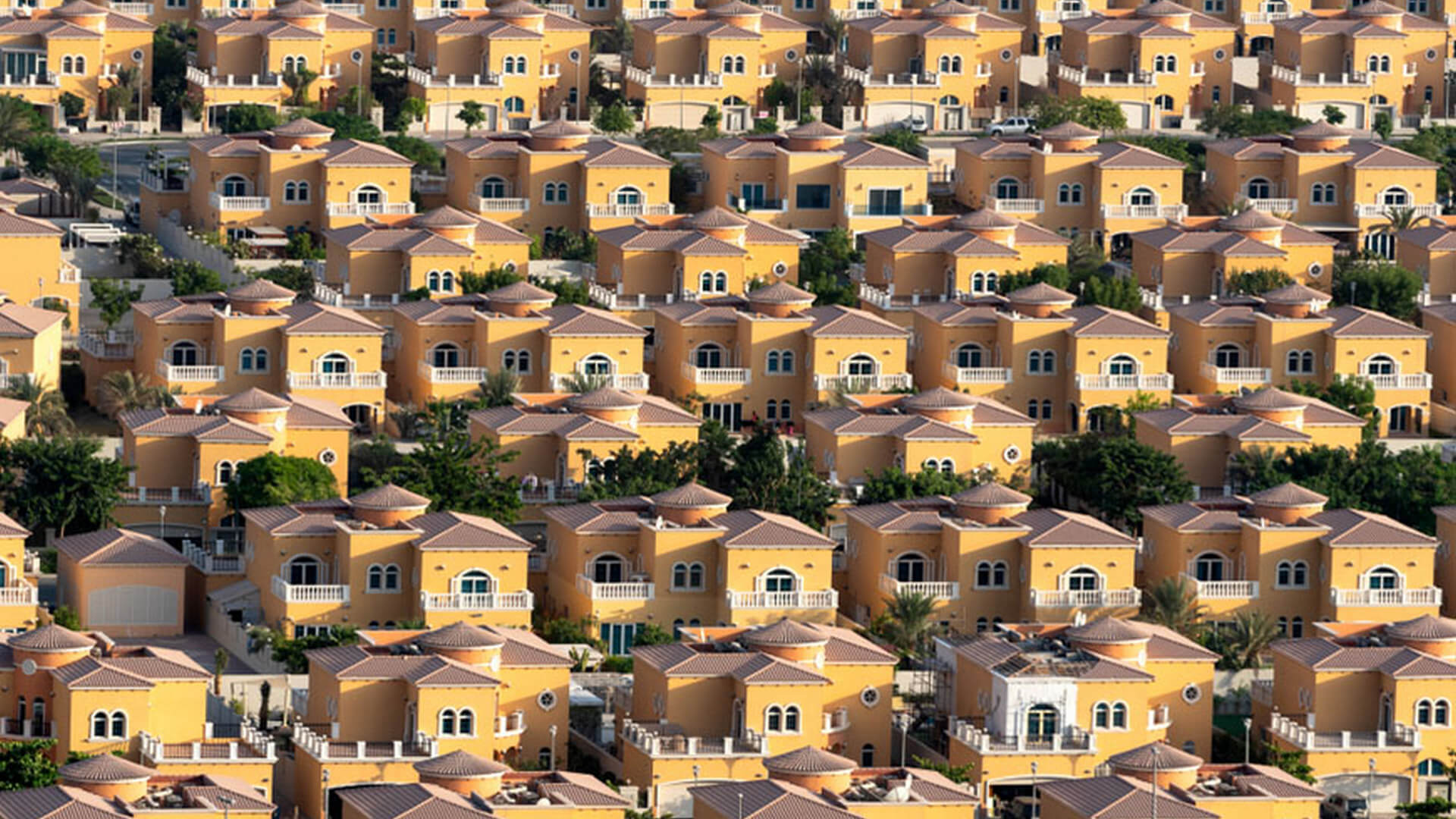
The product mix in Al Furjan spans 3 and 4-bedroom townhouses, 4 and 5-bedroom villas, and 1 to 3-bedroom apartments across the cluster developments. Townhouses are the dominant product type and the most actively traded segment, with pricing that sits materially below comparable product in JVC or Arabian Ranches while offering genuine private garden space and community amenity. The apartment sector is more fragmented — quality and value vary significantly between buildings — and investors need to be selective rather than treating the community as homogeneous.
Price evolution in Al Furjan reflects Dubai's broader market cycle, with the community launching at prices that seemed high in 2008, correcting sharply through the 2009–2012 downturn, and then recovering and consolidating through the 2014–2020 period. The metro extension — the Route 2020 line connecting Al Furjan to the Red Line at Jebel Ali — has been a material structural upgrade for the community, providing public transport connectivity that was absent for many years. This infrastructure improvement has supported capital values and rental demand, particularly for the apartment segment where metro access is a key driver.
Launch-era pricing sat in the AED 600–900 per square foot range across townhouses and apartments, with price discipline established during the 2008 delivery phase. The community's trajectory has since tracked Dubai's broader mid-market recovery, and the Route 2020 metro extension is emerging as a material differentiator between Al Furjan and its non-metro peers in the western corridor.
In the sections that follow, I will examine Al Furjan's connectivity and infrastructure advantages — including the Route 2020 metro extension and the Sheikh Mohammed Bin Zayed Road access — the rental market dynamics and tenant profile that drive occupancy in both the villa and apartment segments, and the supply picture in a community where the masterplan is substantially delivered. I will close with a strategic framework for approaching Al Furjan across different investment objectives, from townhouse capital growth to apartment yield plays.
AL FURJAN: MARKET ANALYSIS AND INVESTMENT DYNAMICS
INFRASTRUCTURE AND CONNECTIVITY
Al Furjan's connectivity profile improved significantly with the opening of the Route 2020 Dubai Metro extension, which added two stations serving the community — Al Furjan station on the western edge and Discovery Gardens station to the south. The community sits alongside Sheikh Mohammed Bin Zayed Road (E311), providing direct highway access to Dubai Marina to the north and Abu Dhabi to the south. Al Khail Road to the east offers connectivity to business districts. Internal road infrastructure within the community is generally well planned with good arterial road design. The metro access has been a structural upgrade for rental demand and capital values, particularly for apartments, where tenants previously faced significant car dependency. Community amenities include the Al Furjan Pavilion community centre and club, swimming pools, cycling tracks, parks and a community school.
RENTAL MARKET AND TENANT PROFILE
Al Furjan's rental market is driven by families and young professionals seeking affordable villa and townhouse living with community amenity. The townhouse segment attracts families relocating from more expensive villa communities — Arabian Ranches, Jumeirah, Mirdif — as they find comparable community quality at a meaningful discount. Three-bedroom townhouses achieve gross yields of 5–7 per cent, while the 4-bedroom villa product yields slightly lower at 4.5–6 per cent given higher capital values relative to rental rates. The apartment sector is more yield-focused, with studios and 1-bedroom units achieving 7–9 per cent gross yields in the better-located metro-accessible buildings. Tenant turnover is moderate; families in townhouses tend to stay 2–3 years, while apartment tenants are more transient. Occupancy levels across the community are generally high, supported by the combination of competitive rents, community amenity and improved metro connectivity.
SUPPLY DYNAMICS AND PORTFOLIO POSITIONING
Al Furjan's supply picture reflects a largely delivered masterplan. Nakheel completed the townhouse and villa phases, and the apartment clusters have been built out by various sub-developers over successive years. New supply pressure within the Al Furjan footprint is limited; the community is functionally complete. External competition comes from Discovery Gardens to the south, Jumeirah Village Circle and Jumeirah Village Triangle to the north, and Dubai Production City nearby — all competing for similar mid-market tenant profiles. The key supply risk for investors is the broader corridor competition rather than supply within Al Furjan itself. Townhouse capital values are relatively insulated from apartment oversupply given the fundamental difference in product type; investors in the apartment segment need to be more selective on building location, management quality and proximity to the metro stations to ensure sustained occupancy and yield performance.
AL FURJAN: INVESTMENT STRATEGY AND ENTRY POINTS
The primary entry point for Al Furjan investors is the townhouse and villa segment, where the 3-bedroom townhouse represents the most liquid and accessible product type. At current pricing, 3-bedroom townhouses offer a genuine proposition for investors seeking capital growth in a mid-market community with established fundamentals. The price differential between Al Furjan and comparable JVC or Jumeirah Village Triangle product is meaningful, and as the community matures and the metro connectivity becomes more widely understood, there is a structural case for that gap to narrow. For investors prioritising yield, the apartment segment — particularly studios and 1-bedroom units in the metro-accessible buildings close to Al Furjan station — offers the highest gross yield profile, though building selection is critical given quality variation.
The capital growth segment in Al Furjan centres on the townhouse product in the established sub-communities — clusters like Quortaj and Murooj — where community quality and management are above average. These townhouses attract genuine family end-user demand which supports capital values through cycles. The 4-bedroom villa segment also offers capital growth potential but requires a longer holding period given the higher entry price and the relatively smaller pool of qualified buyers. For investors who believe in the Jebel Ali corridor's long-term development trajectory — as Expo City Dubai, Dubai South and the surrounding industrial and logistics infrastructure continues to develop — Al Furjan sits in a strategic location that could benefit from that broader corridor growth.
A complementary diversification strategy is to pair an Al Furjan townhouse position with a Tier 1 Core Capital anchor in Dubai Marina, Palm Jumeirah or Downtown Dubai. The Al Furjan townhouse delivers the family end-user yield leg and benefits from improving metro-corridor economics, while the Tier 1 anchor captures the premium capital growth dynamics of core Dubai. For investors constructing a three-tier Dubai residential portfolio, Al Furjan fits naturally as the Tier 3 Growth leg between a Tier 1 trophy asset and a Tier 2 Yield & Volume position such as Dubai Production City or International City.
If you are considering Al Furjan, the key is not deciding whether the area works — it does, as an established community with genuine fundamentals — but rather which segment of the community suits your investment objective. Townhouses offer the most straightforward capital growth case with good liquidity and family tenant demand. Apartments offer stronger yields but require building-level due diligence that goes beyond the community name. The Route 2020 metro upgrade is a structural positive that has not yet been fully priced into the market. An Al Furjan townhouse in an established cluster, held over a five to seven year horizon, represents one of the more compelling mid-market propositions in Dubai's western corridor, typically suiting portfolios at the AED 1,500,000–3,500,000 capital commitment level.
SUPPLY DYNAMICS
Nakheel master developer, multi-developer apartment fringe, largely delivered, active resale market
TENANT PROFILE
Families in townhouses, young professionals in apartments, Jebel Ali and Marina corporate tenants
KEY RISK FACTORS
Apartment quality variance, corridor competition, service charge spread, capital growth constrained
KEY INFRASTRUCTURE
Al Furjan sits along Sheikh Mohammed Bin Zayed Road (E311) in the broader Jebel Ali corridor, with Route 2020 metro access via the Al Furjan and Discovery Gardens stations providing Red Line connectivity to Expo City, Jebel Ali, Ibn Battuta Mall and Mall of the Emirates. Al Khail Road (E44) provides eastern connectivity to Al Barsha and the business districts. The community is internally anchored by the Al Furjan Pavilion community centre and club, swimming pools, tennis courts, cycling tracks, community parks, schools, nurseries, mosques and daily-service retail outlets distributed across the Quortaj, Murooj, Dubai Style and Masakin sub-communities. Nearby external anchors include Ibn Battuta Mall, Dubai Marina, JBR, Dubai Production City, Jumeirah Village Circle and the Jebel Ali Free Zone employment corridor. Adjacent communities include Discovery Gardens, Jumeirah Village Circle, Jumeirah Village Triangle and The Gardens, reinforcing Al Furjan's positioning in Dubai's western corridor.
Area fundamentals
- ASSET PROFILE
- Nakheel metro-connected mid-market yield community
- INVESTOR PROFILE
- Yield investor + family townhouse capital growth buyer
- TIER
- Tier 3 – Growth & Emerging
- MARKET TYPE
- Mid-market, townhouses and apartments, metro-connected
- EST. POPULATION
- ~25,000–35,000
- LAND SIZE
- ~60.3m sq ft
Next step
Request a briefing
You will get Al Furjan as a brief: the buildings on this page, the register readings behind them, and our view on each.