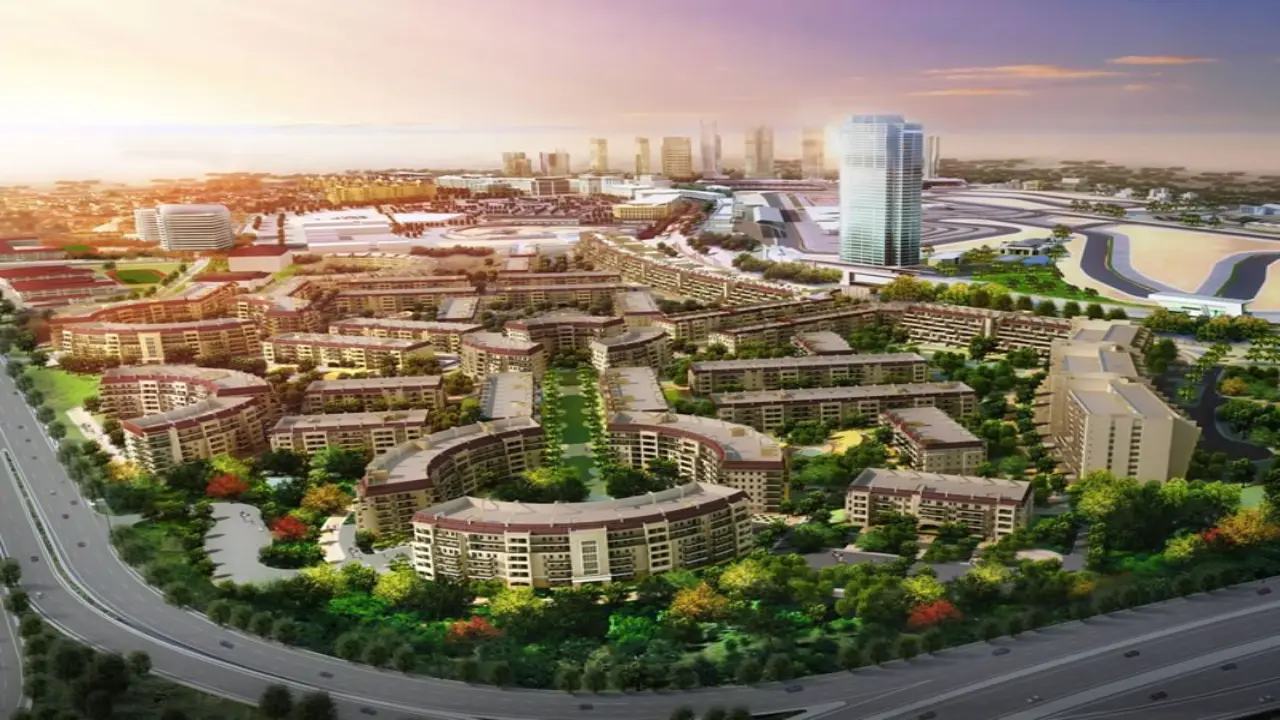
MOTOR CITY: THE AUTODROME COMMUNITY AND ITS INVESTMENT CASE
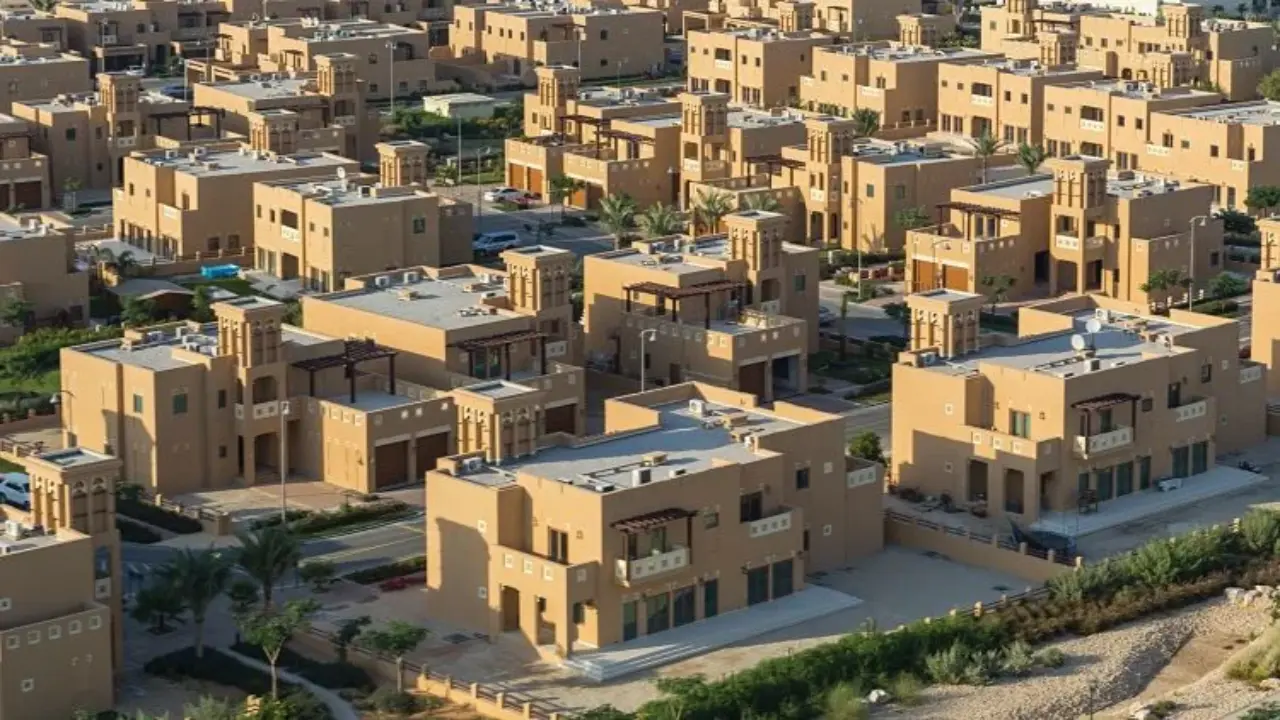
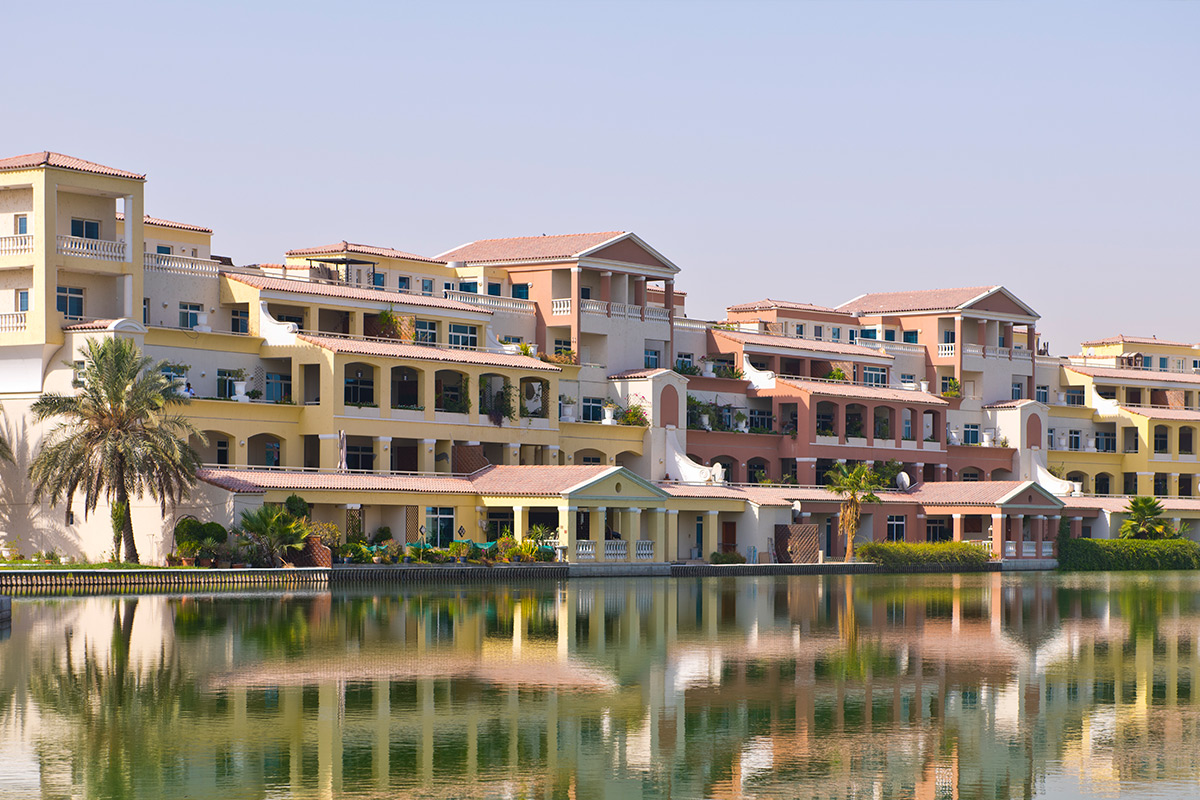
Built around the Dubai Autodrome circuit, Motor City is a predominantly apartment community with a clear identity — the motorsport theme pervades the street names, architecture and branding — but the investment case rests on fundamentals that go well beyond the novelty factor. Motor City has established itself as one of Dubai's most liveable mid-market communities, with a pedestrian-friendly layout, mature landscaping and a genuine sense of neighbourhood that is uncommon at this price point.
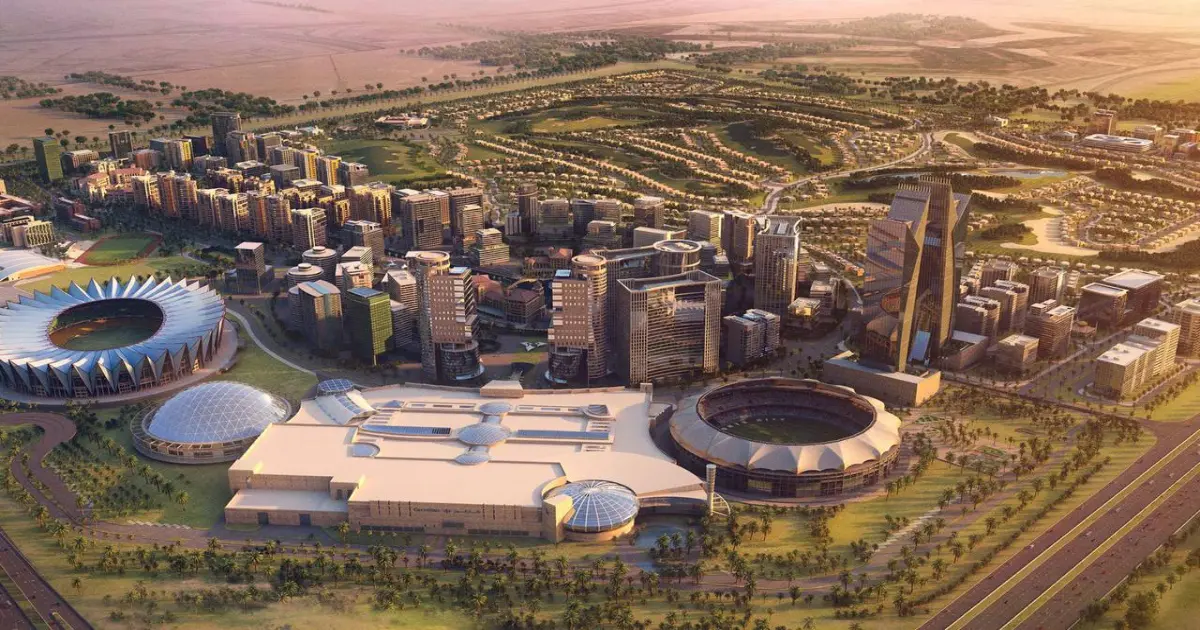
Motor City was developed by Union Properties, a Dubai-listed property developer, as part of its broader development programme in the Sports City corridor alongside Dubai Sports City. The community launched in the mid-2000s and development was completed in phases over subsequent years. The Autodrome — an FIA-certified motorsport circuit — anchors the community's identity and provides a unique community amenity that differentiates Motor City from comparable mid-market communities. The circuit hosts regular events and driving experiences that create a sense of activity and character unusual in a residential development.
The product mix is predominantly apartments — studios, 1 and 2-bedroom units — across a range of cluster developments with names like Uptown Motor City, Green Community Motor City and Souq Al Warsan. There is a small component of townhouses and limited commercial space. The community has a strong retail offering relative to its size, with the Green Community retail strip providing coffee shops, restaurants, a supermarket and daily services. The absence of a metro station is the primary infrastructure limitation, with connectivity relying on Sheikh Mohammed Bin Zayed Road access and car dependency.
Price evolution in Motor City has followed Dubai's broader apartment market cycle, with the community showing good value retention through the 2014–2020 correction period. Entry prices remain among the most accessible in the fully-built mid-market apartment segment, with studios available from AED 350,000–500,000 and 1-bedroom apartments from AED 500,000–750,000 depending on cluster and floor position. The combination of low entry price, strong community character and established tenant demand creates a straightforward yield investment case, with gross yields consistently in the 7–9 per cent range for studios and 6–8 per cent for 1-bedroom units.
In the sections that follow, I will examine Motor City's infrastructure profile — including the highway connectivity and the planned metro extension that could transform the community's transport access — the rental market dynamics driven by a diverse tenant base of young professionals and families, and the supply dynamics in a substantially delivered community. I will close with a strategic framework for approaching Motor City across studio yield plays and 1-bedroom capital growth positions.
MOTOR CITY: MARKET ANALYSIS AND INVESTMENT DYNAMICS
INFRASTRUCTURE AND CONNECTIVITY
Motor City's connectivity profile is highway-dependent, with Sheikh Mohammed Bin Zayed Road (E311) providing the primary access route. The community does not currently have a metro station, which represents the key infrastructure limitation relative to comparable mid-market communities. However, planned metro network expansions include routes through this corridor that could add metro connectivity in the medium term. Internal infrastructure within Motor City is genuinely impressive for a mid-market community — the pedestrian-friendly street layout, mature tree lining and green corridors create a walkable internal environment unusual in Dubai. The Dubai Autodrome circuit creates an additional community amenity layer. Community retail along the Green Community Motor City strip provides daily needs and F&B. Bus services connect to the nearest metro stations on the Red Line at Mall of the Emirates. Parking infrastructure is generally adequate, though peak times can see pressure in some clusters.
RENTAL MARKET AND TENANT PROFILE
Motor City's rental market is characterised by genuine community demand — tenants choose Motor City for the community character, green space and livability rather than purely on price. The primary tenant profile is young professionals and couples who prioritise quality of life over metro access, typically employed in the broader Sports City, Arabian Ranches and Barsha/Al Quoz corridors. Studios achieve AED 40,000–55,000 per annum, generating gross yields of 7–9 per cent. One-bedroom apartments achieve AED 55,000–75,000, with gross yields of 6–8 per cent. Two-bedroom apartments achieve AED 70,000–95,000 with yields of 5–7 per cent. Tenant tenure is moderate to good — the community character and established retail encourage longer stays than more transient apartment communities. Occupancy levels are consistently high relative to Dubai mid-market norms, reflecting the genuine end-user appeal of the community even without metro connectivity.
SUPPLY DYNAMICS AND PORTFOLIO POSITIONING
Motor City's supply situation is favourable for existing investors. The development is substantially complete — Union Properties has delivered the major cluster developments and limited new supply is coming to market within the Motor City footprint. Competition from the broader corridor comes from Dubai Sports City (apartments) and the Barsha/Arjan corridor, but Motor City's community character provides meaningful differentiation. The Autodrome masterplan includes some undeveloped plots with potential for future commercial or hospitality development around the circuit, which could enhance the community profile. The supply constraint, combined with consistent occupancy demand, creates a defensible floor for capital values. Union Properties also owns the retail centres and has an incentive to maintain community quality. The lack of metro connectivity remains the primary structural constraint on capital appreciation.
MOTOR CITY: INVESTMENT STRATEGY AND ENTRY POINTS
Motor City's primary investment case is the yield-focused studio and 1-bedroom apartment positioned in the established Uptown Motor City and Green Community Motor City clusters. These clusters offer the most mature infrastructure and the strongest community character, and units in these clusters benefit from the most sustained rental demand from tenants who actively choose the community over cheaper metro-connected alternatives. Studio entry prices in the AED 400,000–500,000 range provide accessible investment thresholds with gross yields of 7–9 per cent that compare favourably to Arjan and Dubai Sports City apartment alternatives at similar or higher entry prices. The trade-off — no metro connectivity — is real, but for investors who understand that Motor City's tenant base is self-selecting for community quality rather than transport access, the yield story is genuinely compelling.
A second, complementary strategy is the 1-bedroom capital growth play in Uptown Motor City towers with Autodrome views, which historically trade at a modest premium to standard cluster stock and benefit from the scarcest view corridors in the community. One-bedroom units in the AED 600,000–850,000 range pair yields of 6–8 per cent with stronger resale liquidity than studios, particularly as Motor City matures and draws a wider end-user buyer pool alongside the yield-focused investor base. This approach suits investors balancing cashflow against optionality, and works well as a diversifier alongside positions in Dubai Sports City or Arjan in a broader mid-market yield portfolio. Pair it with a Tier 1 Core Capital anchor in Dubai Marina, DIFC or Downtown Dubai for tier-diversified portfolio construction.
The capital growth case for Motor City is tied to the metro extension scenario. Any announcement of a confirmed metro station in the Motor City/Dubai Sports City corridor would be a material positive catalyst for capital values, potentially compressing the discount the community carries relative to metro-connected alternatives. Until that confirmation comes, capital appreciation will be modest and driven by broader Dubai market cycles rather than Motor City-specific infrastructure upgrades. Investors with a 5–10 year horizon who are comfortable with no-metro risk, but who want to position for the upside of metro arrival, will find Motor City a credible vehicle for that thesis.
If you are considering Motor City, the key is not deciding whether the area works — it does, as one of Dubai's most liveable mid-market communities with genuine community character and consistently strong occupancy — but rather whether you can underwrite the no-metro constraint and price the metro optionality correctly. The studio yield play in an established Uptown cluster is a clean, defensible investment with real tenant demand and low entry price. Motor City rewards investors who understand what they are buying: an established community with excellent livability, meaningful yield and a real but unconfirmed infrastructure catalyst, typically suiting portfolios at the AED 400,000–1,500,000 capital commitment level.
SUPPLY DYNAMICS
Union Properties single developer, substantially delivered, limited new supply, active resale market
TENANT PROFILE
Young professionals, couples, Sports City and Al Quoz workers, community-oriented mid-market tenants
KEY RISK FACTORS
No metro, Union Properties counterparty risk, aging stock capex, car-dependent, corridor competition
KEY INFRASTRUCTURE
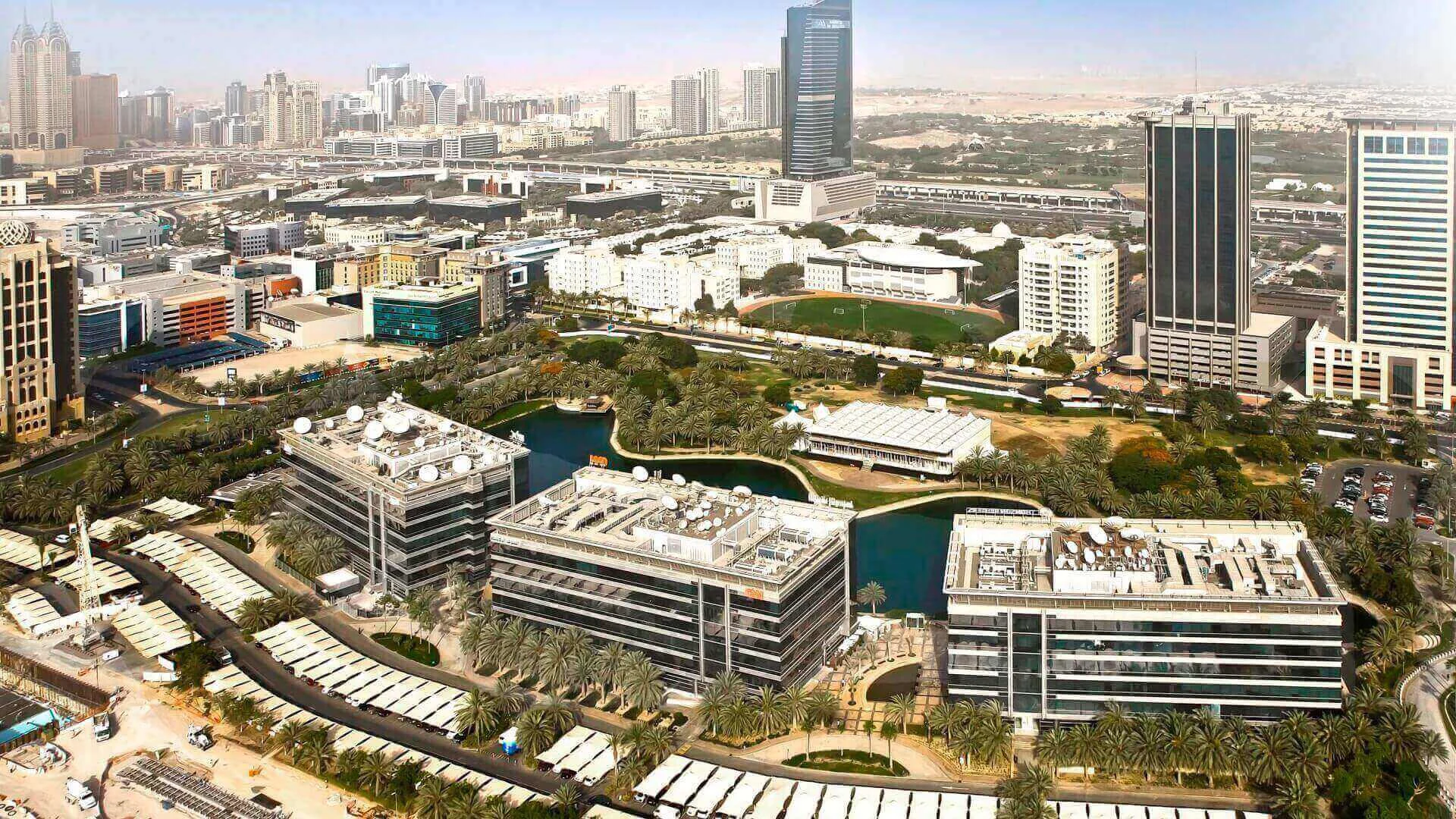
Motor City sits along Sheikh Mohammed Bin Zayed Road (E311) in the broader Dubai Sports City corridor, with Al Khail Road (E44), Hessa Street (D61) and Umm Suqeim Road (D63) providing arterial access to Dubai Marina, Mall of the Emirates, Al Barsha, Dubai Internet City and Arabian Ranches. The community is internally anchored by the Dubai Autodrome — an FIA-certified motorsport circuit hosting regular events and driving experiences — alongside the Green Community Motor City retail strip, Uptown Motor City retail, community pools, landscaped parks, pedestrian-friendly street network, mature tree-lined avenues and daily-service outlets. Nearby external anchors include Dubai Sports City, Arabian Ranches, Miracle Garden, Butterfly Garden, Dubai Hills Estate and Mall of the Emirates. Adjacent communities include Arjan, Arabian Ranches 3 and Dubai Production City, reinforcing Motor City's positioning within Dubai's mid-market yield corridor. The community has no direct metro connectivity; bus services reach Red Line stations.
Area fundamentals
- ASSET PROFILE
- Autodrome-anchored mid-market apartment yield community
- INVESTOR PROFILE
- Yield investor + no-metro apartment cashflow aggregator
- TIER
- Tier 3 – Growth & Emerging
- MARKET TYPE
- Mid-market, apartments, mature Union Properties community
- EST. POPULATION
- ~20,000–28,000
- LAND SIZE
- ~26.9m sq ft
Next step
Request a briefing
You will get Motor City as a brief: the buildings on this page, the register readings behind them, and our view on each.