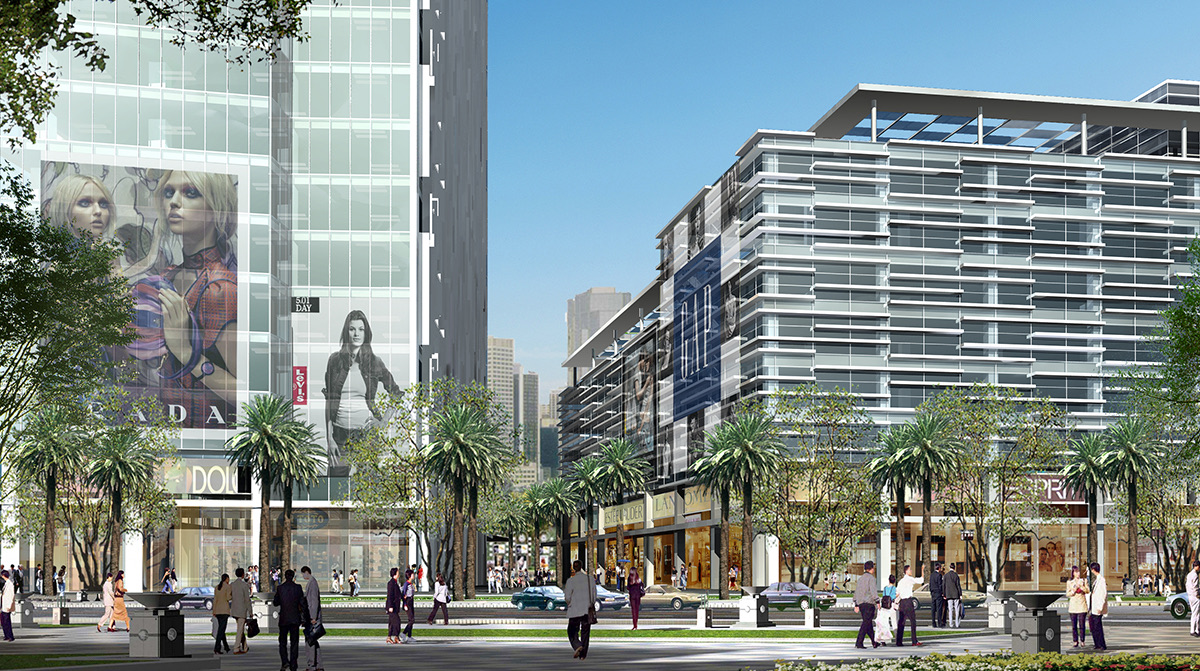
JUMEIRAH GARDEN CITY: EMERGING FREEHOLD MIXED-USE URBAN DISTRICT
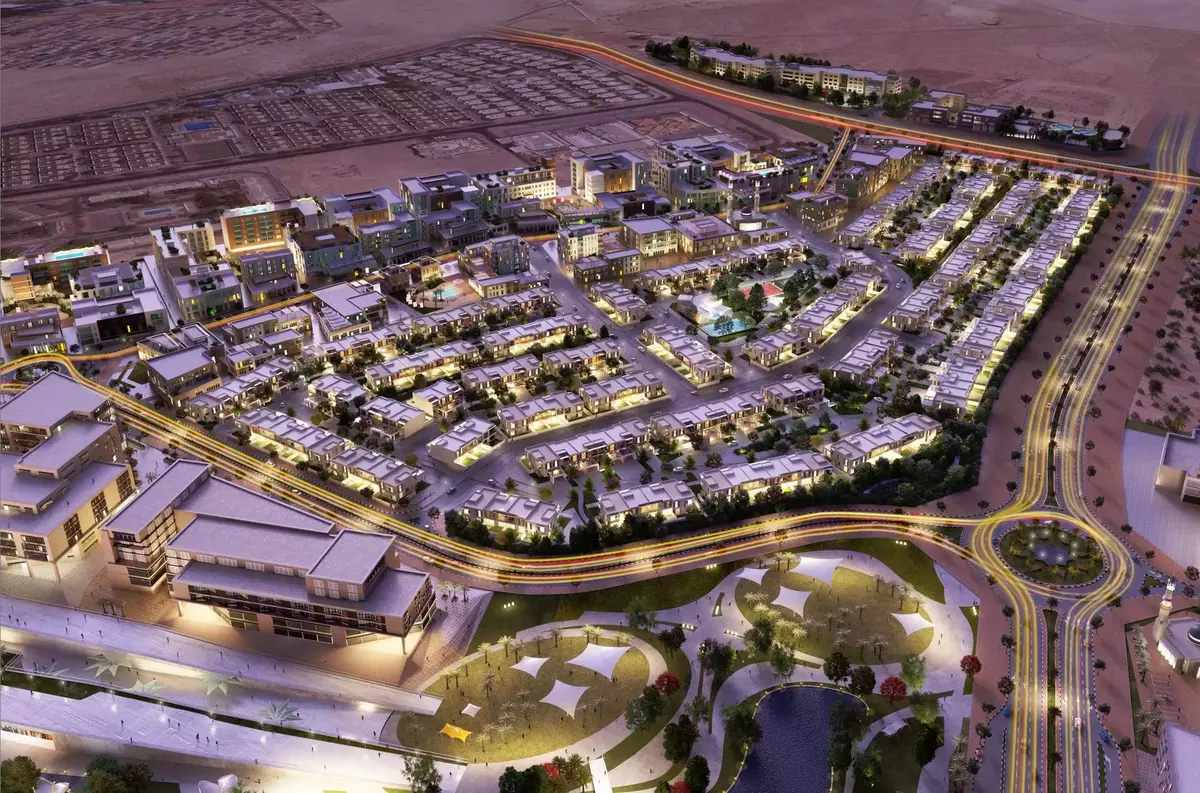
The district spans approximately 1.7 million square metres and is being developed by multiple private developers from 2015 onward, with over 5,000 residential units planned or under construction and a projected population of 10,000 to 20,000 residents at full build-out. The unit mix skews heavily toward studios and one-bedroom apartments, a deliberate product-market fit for yield-focused investors who want central Dubai positioning without the AED 3 to 5 million cost of a comparable unit in Downtown, DIFC or Business Bay. This accessible central positioning, combined with genuine freehold title, is what defines the district's mid-tier investor appeal.
For investors, Jumeirah Garden City's appeal lies in the structural scarcity of central freehold land in Dubai. As the city's core districts — Downtown, DIFC and Business Bay — reach development saturation with pricing of AED 3,500 to 6,000 per square foot, the remaining pockets of undeveloped central land at AED 1,500 to 3,000 per square foot command increasing strategic importance as affordable central alternatives. Jumeirah Garden City is one such pocket, and its transformation from underutilised urban land into a modern mixed-use district represents a value-creation opportunity that is fundamentally location-driven rather than concept-driven. The entry price is roughly half that of comparable central stock, which is what attracts the mid-tier yield investor and defines the acquisition thesis.
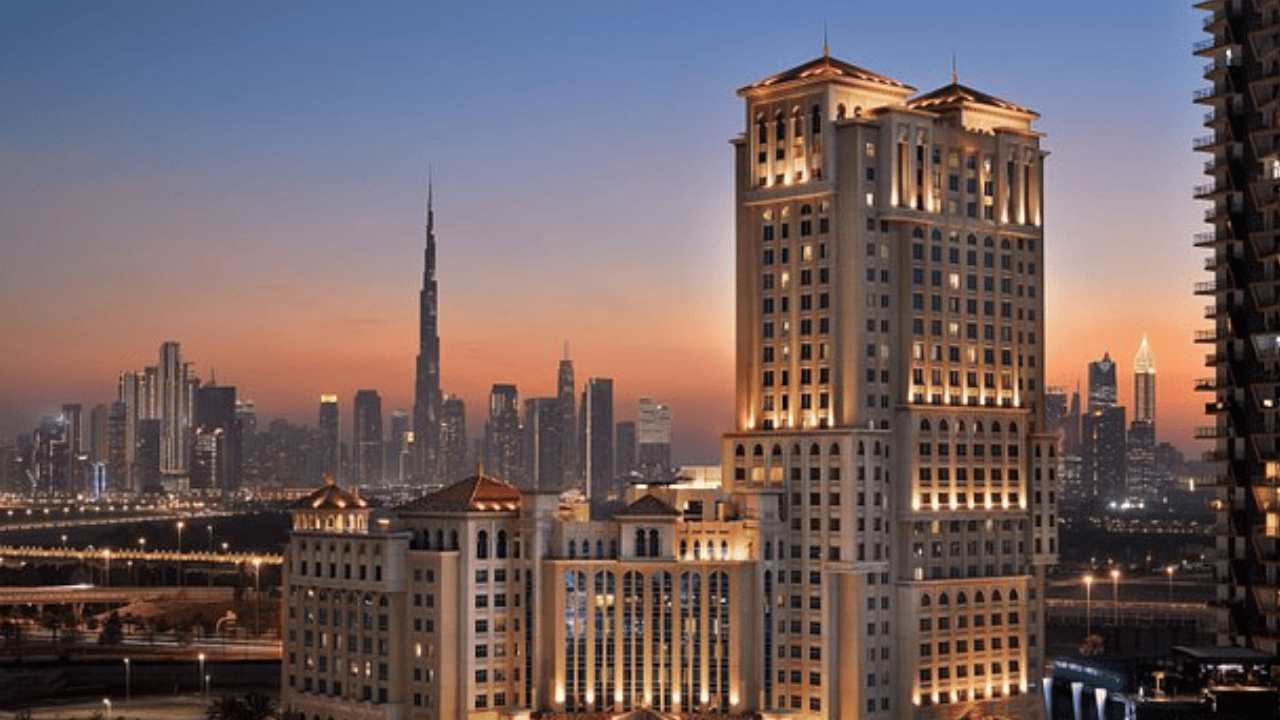
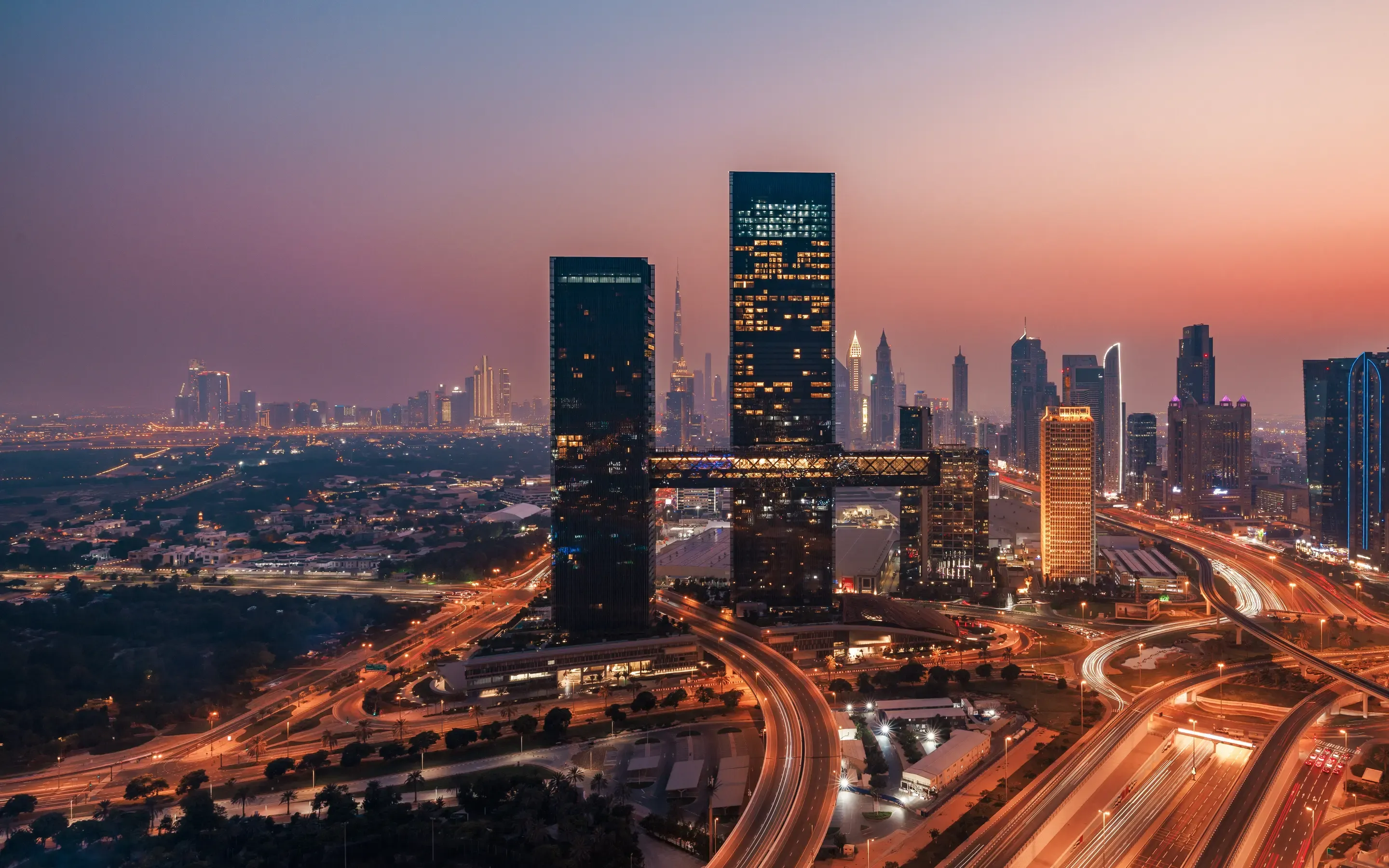
The district's infrastructure advantage is its proximity to established lifestyle and employment nodes rather than internally developed amenities. DIFC sits directly opposite the district, with City Walk immediately to the south and the wider Downtown Dubai entertainment cluster, Dubai Mall and Emaar Square within walking distance. Al Wasl Road runs through the district, Sheikh Zayed Road's employment corridor borders it to the north, and La Mer beachfront is a short drive to the west. The community inherits the premium retail, dining and employment infrastructure of Dubai's most valuable real estate corridor without the district itself needing to build its own, which is the core of the mid-tier investor value proposition.
Classified as Tier 3 – Growth & Emerging, Jumeirah Garden City is the most centrally located emerging opportunity in Dubai's residential market. Its fragmented multi-developer structure introduces complexity that purpose-built master-planned communities avoid — build quality, service charges and management standards vary significantly across individual projects — but the locational advantage compensates with a long-term value thesis that few other emerging areas can match at comparable entry pricing. This guide covers the entry-price arbitrage against established central districts, the developer-selection process, the rental yield dynamics and the portfolio construction role for mid-tier yield investors targeting the final frontier of central Dubai freehold development.
JUMEIRAH GARDEN CITY: MARKET ANALYSIS AND INVESTMENT DYNAMICS
INFRASTRUCTURE AND CONNECTIVITY
Jumeirah Garden City offers gross rental yields in the range of 5 to 6.5 per cent, which is competitive for a central emerging district and comparable to — or better than — yields in established central towers where purchase prices are double or triple. The yield performance reflects the combination of strong tenant demand from central Dubai professionals and accessible purchase prices in the AED 800,000 to 1.5 million range for studios and one-bedroom apartments, which are the dominant unit types in the district. Tenant demand is driven by DIFC, City Walk and Downtown proximity, which attracts finance, legal and corporate renters who prioritise short commutes. As construction activity diminishes and the district matures, rental rates are expected to appreciate toward parity with established central districts, providing capital growth on top of the current yield.
RENTAL MARKET AND TENANT PROFILE
The multi-developer structure of Jumeirah Garden City is both its primary risk and a reflection of the organic urban development pattern that characterises central city districts globally. Unlike purpose-built master-planned communities where a single developer controls quality, design and delivery, JGC features multiple private developers executing individual projects within the same district. This fragmentation creates meaningful quality variance across projects — service charges, build quality, management standards and completion timelines all vary between developers. Investors must therefore conduct project-specific due diligence rather than relying on district-level assumptions, and the most reputable developers within the district command premium pricing precisely because they mitigate this execution risk. Project selection is the single most important decision within the district.
SUPPLY DYNAMICS AND PORTFOLIO POSITIONING
The demand drivers at Jumeirah Garden City are almost entirely location-derived. DIFC proximity attracts financial sector professionals seeking short-commute accommodation, City Walk adjacency provides premium retail and lifestyle infrastructure, and the Satwa neighbourhood adds an authentic urban character that newer developments lack. Mid-tier yield investors are the primary acquisition demographic — buyers who want central Dubai positioning but are priced out of Downtown, DIFC and Business Bay apartment stock at AED 3,500 to 6,000 per square foot. The unit mix skews heavily to studios and one-bedroom apartments, targeting rental-yield investors rather than end-user families, with typical unit pricing of AED 800,000 to 1.5 million versus multiples of that for comparable central apartments in Downtown or DIFC towers.
JUMEIRAH GARDEN CITY: INVESTMENT STRATEGY AND ENTRY POINTS
Investors targeting Jumeirah Garden City should approach it as a central-location yield play with a 5 to 7 year growth horizon. The optimal acquisition strategy prioritises completed or near-completion studios and one-bedroom apartments from the most reputable developers within the district, since build quality and management standards vary significantly across the multi-developer landscape. Typical entry unit pricing is AED 800,000 to 1.5 million, with studios at the lower end and one-bedroom units extending into the 1.2 to 1.5 million band. Project-specific due diligence is essential: investors should evaluate each development independently, assessing build quality, management track record, service-charge levels, and the specific micro-location within the district relative to DIFC, City Walk and key transport links before committing capital.
The central-location thesis is the investment's primary anchor. Dubai's central core is becoming increasingly developed and supply-constrained, which means that well-located freehold property in districts like Jumeirah Garden City will appreciate structurally as the scarcity of comparable central land intensifies over time. At AED 1,500 to 3,000 per square foot, JGC prices are approximately half the cost of established central stock in Downtown, DIFC and Business Bay, and this arbitrage is the mechanism by which capital growth is expected to accrue over the hold period. The appreciation dynamic is slow and structural rather than cyclical, making it suitable for patient investors who can withstand the near-term liveability compromises of ongoing construction activity in exchange for long-term locational value creation. Typical gross yield during the hold is 5 to 6.5 per cent, which pays the cost of patience.
For portfolio construction, Jumeirah Garden City serves as a mid-tier entry point into central Dubai — an accessible alternative for yield investors priced out of Downtown, DIFC and Business Bay. The typical buyer is deploying AED 800,000 to 1.5 million per unit into studios or one-bedroom apartments for rental income, rather than the multi-million-dirham family units that characterise established central towers. Position size at entry is typically one to three units in mid-build projects from the more credible private developers within the district, paired with value-tier holdings in JVC, JLT or Business Bay apartments for portfolio coherence and geographic diversification across Dubai's investment-grade freehold stock. This is the final frontier of central Dubai freehold development at mid-tier pricing, and investors who position themselves correctly will benefit from the district's long-term structural transformation while earning a 5 to 6.5 per cent gross yield in the interim.
SUPPLY DYNAMICS
Fragmented multi-developer environment, ongoing phased delivery, active off-plan market
TENANT PROFILE
Young professionals, finance and corporate staff, singles and couples seeking central proximity
KEY RISK FACTORS
Construction activity ongoing, fragmented community development, premium pricing risk
KEY INFRASTRUCTURE
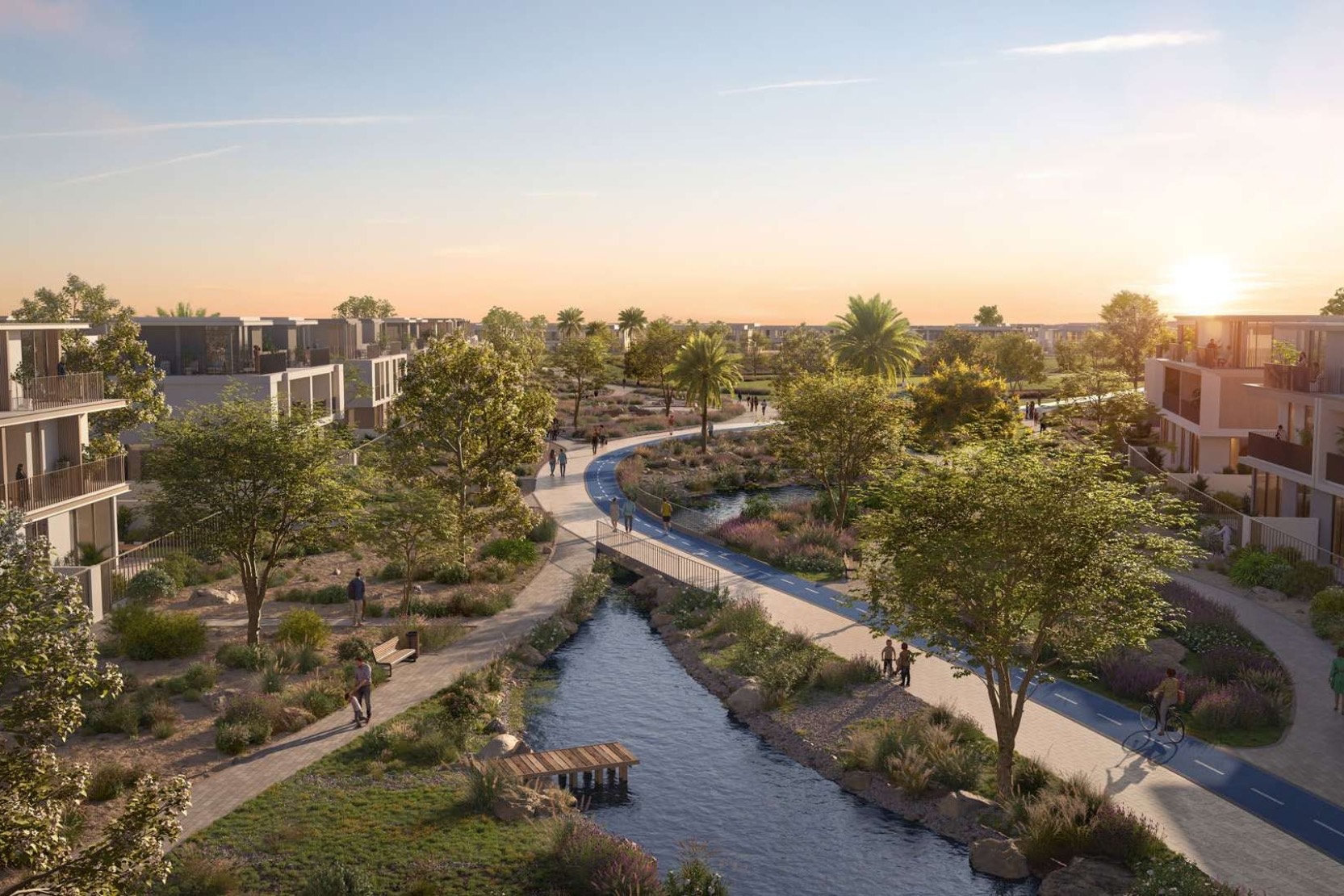
Jumeirah Garden City sits in central Dubai directly opposite the Dubai International Financial Centre (DIFC), with City Walk immediately to the south and Al Wasl Road running through the district. The community is within walking distance of the Burj Khalifa district, Dubai Mall, Emaar Square and the wider Downtown Dubai entertainment cluster including the Dubai Fountain. La Mer beachfront and Jumeirah 1 beach are a short drive west via Al Wasl Road, and the Sheikh Zayed Road (E11) employment corridor runs along the district's northern edge. Internal amenities include schools, mosques, community retail and landscaped streetscape throughout the freehold plots. Nearby anchors include the Four Seasons Resort at Jumeirah, the DIFC art and dining district, City Walk's boulevard retail and restaurants, the Coca-Cola Arena, the Green Planet bio-dome and the Museum of the Future adjacent to the Financial Centre.
Area fundamentals
- ASSET PROFILE
- Emerging freehold mixed-use urban district near Satwa
- INVESTOR PROFILE
- Mid-tier yield investor (studio/1-bed apartments)
- TIER
- Tier 3 – Growth & Emerging
- MARKET TYPE
- Urban, mixed-use, emerging, central Dubai proximity
- EST. POPULATION
- ~10,000–20,000 (projected)
- LAND SIZE
- ~18.3m sq ft
Next step
Request a briefing
You will get Jumeirah Garden City as a brief: the buildings on this page, the register readings behind them, and our view on each.