The Dubai property market is entering a more complex phase of the current market cycle, but the underlying data remains constructive so far.
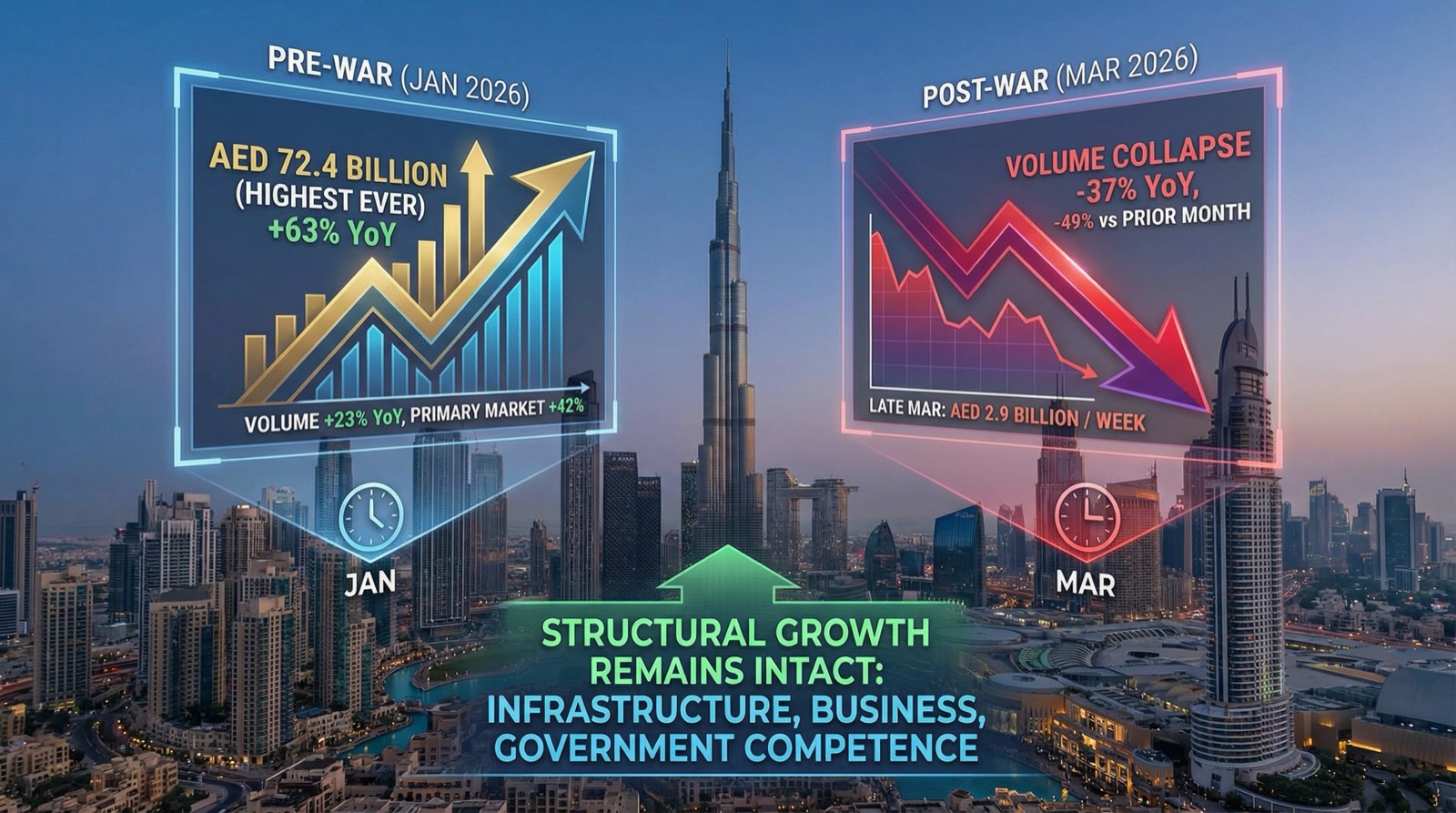
Transaction activity continues at historically strong levels. After a brief pause following the late-February geopolitical escalation, activity rebounded quickly. Dubai Land Department data shows that the week of March 9–15 recorded approximately AED 15.66 billion in transactions, a 51% increase from the previous week, supported by several high-value land and property deals. This level of activity suggests that, despite the headlines, real estate demand has not materially broken down.
At the same time, financial markets have reacted far more sharply. The DFM Real Estate Index has fallen roughly 30% from its February peak near 16,900 points, effectively wiping out the gains made earlier in 2026, while the broader DFM General Index has corrected closer to 20%. UAE real estate bonds have also weakened as global investors temporarily reduce exposure to regional risk.
This divergence between financial market sentiment and the physical property market is unusual but not unprecedented. Listed securities tend to reprice immediately during periods of uncertainty, while property transactions and rental income typically adjust far more gradually.
For investors, the key question is whether the current volatility signals a structural shift in the market or a short-term repricing of geopolitical risk.
The data emerging over the past week provides a clearer framework for interpreting what is actually changing—and what remains intact.
If you’re reassessing positioning in light of geopolitical uncertainty, I can show you where risk-adjusted performance remains resilient. Click here to speak with me directly.
The current volatility follows the regional conflict involving the US, Israel, and Iran after the late-February escalation.
Financial markets repriced rapidly.
- Equities: The DFM Real Estate Index has fallen about 30% from its February peak (~16,900 points), erasing all 2026 gains and part of the late-2025 rally.
- Debt: UAE real estate bonds and Sukuk have weakened, with yields rising as investors demand a higher geopolitical risk premium. Issuance has largely paused following the record borrowing cycle of 2025.
- Regional markets: GCC equity indices have broadly declined as global investors reduce regional exposure.
Importantly, the bond repricing reflects sentiment and liquidity conditions rather than a credit crisis, as major developers entered 2026 with relatively low leverage and strong off-plan cash collections.
Energy markets remain the key transmission channel. Brent crude briefly approached $120/bbl and is now stabilising around $92–$95, embedding a geopolitical risk premium. Analysts estimate that a $20 increase in oil prices could add roughly 1 percentage point to global inflation, which could delay expected interest-rate cuts.
Higher-for-longer interest rates increase the discount rate applied to real estate assets, explaining why listed property securities have corrected faster than the physical market.
So far, the repricing is concentrated in equities and bonds rather than rents or transaction activity.
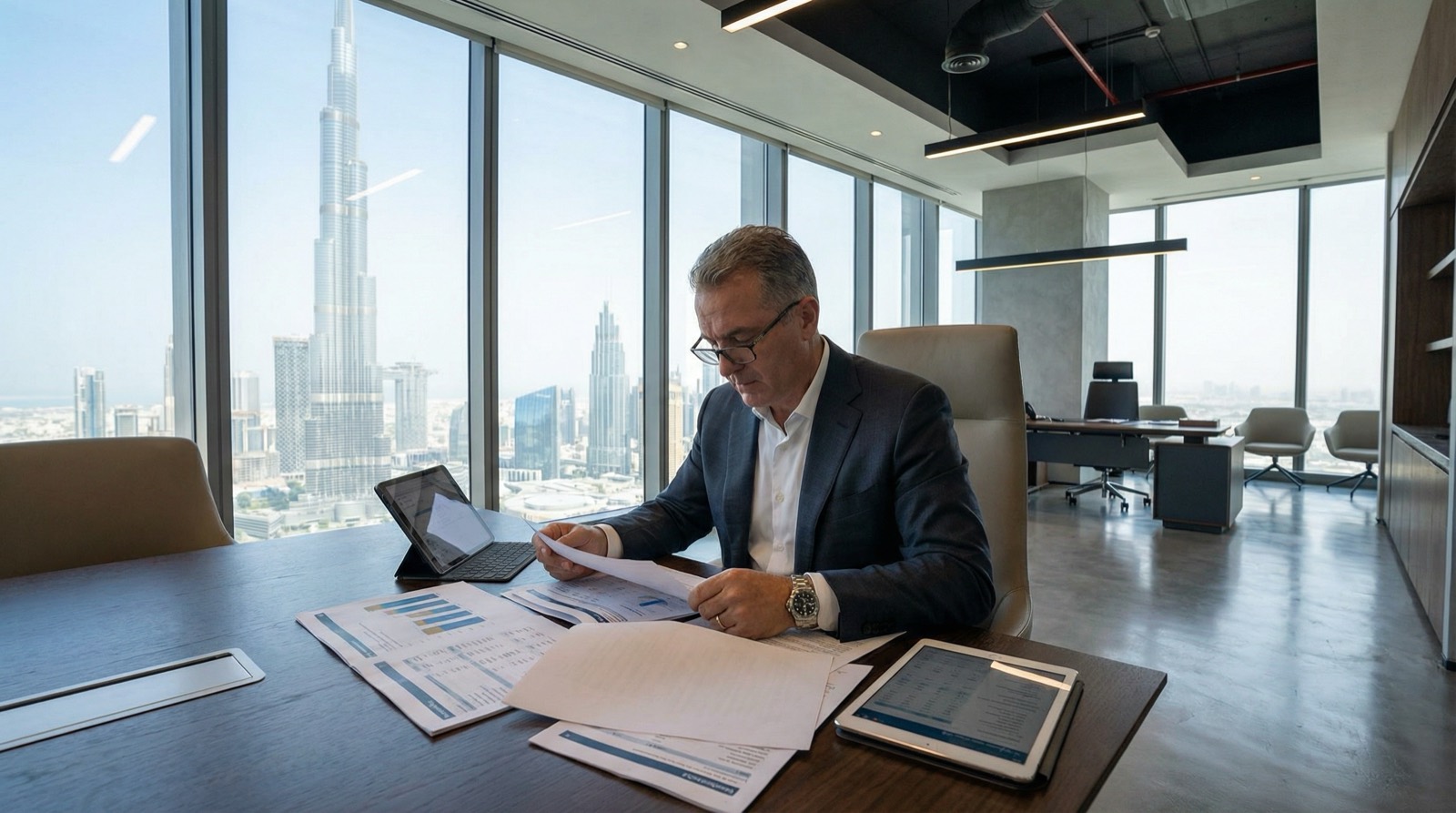
Investor behaviour has shifted toward a more defensive liquidity posture.
Several indicators illustrate this:
- Capital rotation: Some family offices and international investors are redirecting liquid assets toward Singapore and Hong Kong, with advisers reporting clients hedging by reallocating 10–20% of liquid capital.
- Stablecoin demand: The market capitalisation of USDC has reached approximately $79–$ 80 billion, reflecting strong demand for digital dollar liquidity.
- Operational disruption: A recent security-related disruption affecting transport operations has contributed to weaker short-term investor sentiment.
These developments have challenged the UAE’s short-term safe-haven narrative, particularly for liquid capital.
However, the market response remains split: while liquidity is moving defensively, physical real estate positions are largely being held, with transaction activity still running at multi-billion-dirham weekly levels.
Whether this capital rotation persists will depend largely on how the regional situation evolves in the coming weeks.
Despite financial market volatility, the underlying Dubai property market continues to show resilience.
Several structural indicators remain robust:
- Population growth: Dubai’s population has surpassed 4 million residents, with continued monthly inflows supporting long-term housing demand.
- Record base year: The market entered 2026 following a record AED 917 billion in transactions in 2025, a 20% year-on-year increase according to Dubai Land Department data.
- Recent activity: Weekly transaction values in early March ranged between AED 9.8 billion and AED 11.8 billion, before rebounding to AED 15.66 billion in the week ending March 15.
Recent weekly data also recorded 2,985 transactions, including:
- 2,461 unit sales
- 282 building transactions
- 242 land deals
The rise in land transactions suggests developers continue to acquire sites for future project pipelines.
More importantly, distressed selling remains consistent. Approximately 75–76% of transactions are cash-based, which significantly reduces the risk of forced liquidations during periods of market volatility.
While activity is below the peak weeks seen earlier in the year, the current transaction levels remain historically strong.
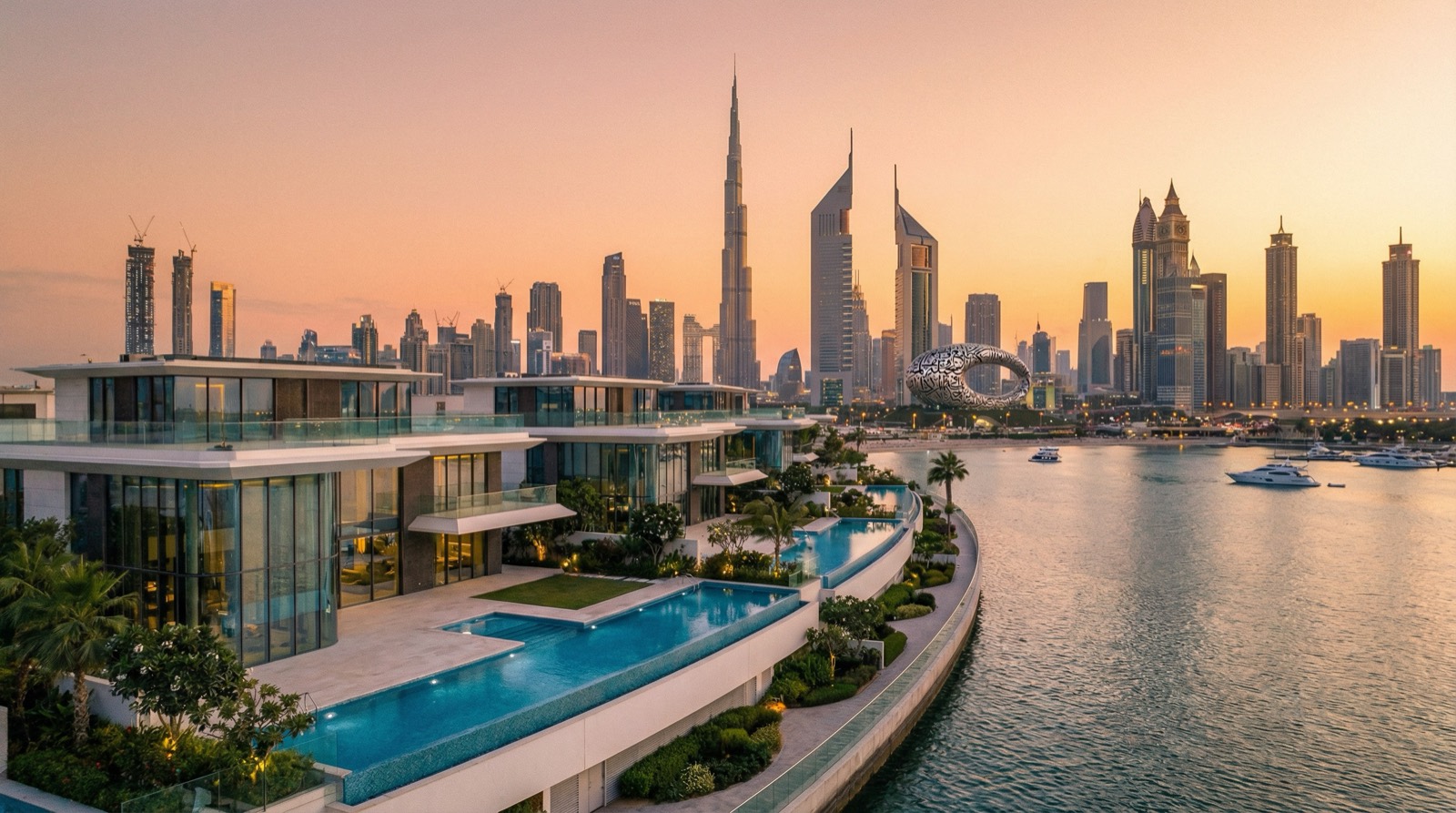
One of the most important differences in the current cycle is the stronger financial architecture supporting the UAE property market.
Recent data from S&P Global and the Central Bank of the UAE highlights several structural improvements:
- Lower sector exposure: Real estate and construction lending now accounts for roughly 14% of total bank credit, down from around 20% in 2021.
- Improved asset quality: UAE bank non-performing loan ratios have fallen to approximately 2.7%–2.9%, with provision coverage around 107%.
- Strong liquidity buffers: The UAE banking system’s Liquidity Coverage Ratio exceeds 146%, providing a substantial buffer against external shocks.
The structure of the property market itself has also shifted.
Approximately 75% of transactions are now cash-based, reducing sensitivity to global interest-rate cycles. Mortgage-backed purchases remain a minority of total transactions.
In addition, Dubai’s escrow regulations require all off-plan payments to be held in project-specific accounts, ring-fencing funds, and ensuring that development capital cannot be diverted between projects.
Together, these factors mean the market is far less dependent on bank leverage than in previous cycles, reducing the likelihood of a credit-driven correction.
Explore curated office and retail opportunities at Mitchell’s Commercial Realty.
Several indicators suggest the current cycle is supported by stronger structural demand than in previous downturns.
- Cash-dominated luxury segment: Approximately 75% of luxury property transactions are cash-based, reducing exposure to interest-rate increases and limiting the risk of forced selling.
- Stable international demand: Indian nationals accounted for roughly 23% of foreign property purchases in 2025, remaining the largest investor group and providing a consistent demand base.
- Strong sovereign backing: S&P Global reaffirmed the UAE’s AA/A-1+ rating with a stable outlook, citing exceptionally strong fiscal buffers and liquid assets estimated at about 184% of GDP.
Supply growth is also being framed as a stabilising mechanism rather than a risk.
Around 210,000 units are currently in the development pipeline through 2027, although historical completion rates suggest only 45–55% are typically delivered on schedule.
Many analysts view this as a necessary expansion to moderate housing inflation and maintain affordability as Dubai’s population continues to grow.
Taken together, these factors suggest the market is supported by cash capital, demographic demand, and strong sovereign balance sheets, rather than the leverage-driven dynamics seen in previous cycles.
Recent regulatory developments are reinforcing market transparency and asset protection.
Dubai introduced several new measures in March 2026 aimed at strengthening safety standards and economic stability.
Shared Housing Regulation — Law No. (4) of 2026
This law establishes a formal framework for shared housing and co-living arrangements, requiring permits from Dubai Municipality and enforcing occupancy limits to prevent overcrowding. Penalties for repeat violations can reach AED 1 million, with a one-year grace period for existing operators to comply.
Building Quality & Safety — Law No. (3) of 2026
The law introduces a mandatory Quality and Safety Certificate for all buildings to verify structural integrity and maintenance standards. Newer buildings will require inspection every 10 years, while older buildings must undergo certification every five years.
Beyond short-term volatility, Dubai is investing heavily in the technological infrastructure of its real estate market.
The PropTech 2033 roadmap, launched by the Dubai Land Department and DIFC Innovation Hub, aims to integrate AI-driven intelligence across the property ecosystem and support the long-term growth of the sector.
Key developments include:
- 231 PropTech companies currently operating in the UAE, reflecting a rapidly expanding technology ecosystem around real estate.
- Expansion of DIFC’s innovation district into Zabeel, adding roughly 1 million sq. ft. of technology-focused space, including a dedicated AI campus.
- Development of AI-driven automated valuation systems and blockchain-based ownership and tokenisation frameworks designed to improve transaction transparency.
The objective is to build one of the most technologically advanced and transparent real estate markets globally.
For investors, these initiatives help reduce information asymmetry, improve price discovery, and strengthen long-term market efficiency.
Still reading
Need expert help on this subject?
Different segments of the market are responding differently to current conditions.
| Segment | Current Status | Key Observations |
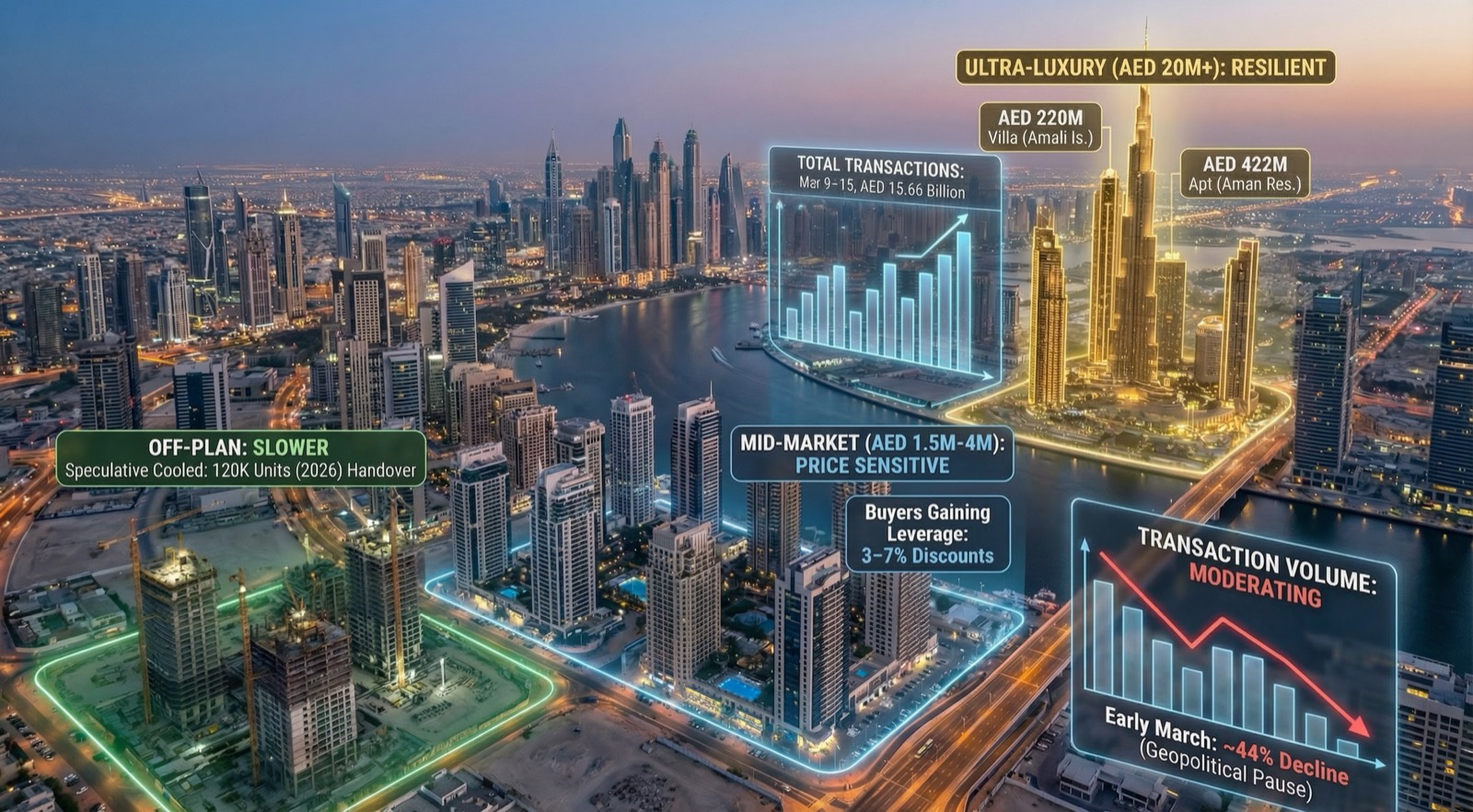
| Ultra-Luxury (AED 20M+) | Resilient | High-value transactions continue, including an AED 220M villa on Amali Island and a record AED 422M apartment at Aman Residences Dubai. |
| Mid-Market (AED 1.5M–4M) | Price Sensitive | Buyers are gaining negotiating leverage, with 3–7% discounts appearing in some transactions. |
| Off-Plan | Slower | Speculative activity has cooled. Around 120,000 units are scheduled for handover in 2026, increasing supply visibility. |
| Transaction Volume | Moderating | Early March activity saw roughly a 44% week-on-week decline as buyers paused decisions following geopolitical headlines. |
Geopolitical shocks typically create a 48–72 hour pause in deal signings, while property prices tend to adjust more gradually.
Current data suggests the market is following this pattern, with high-value transactions continuing while more price-sensitive segments pause to reassess conditions.
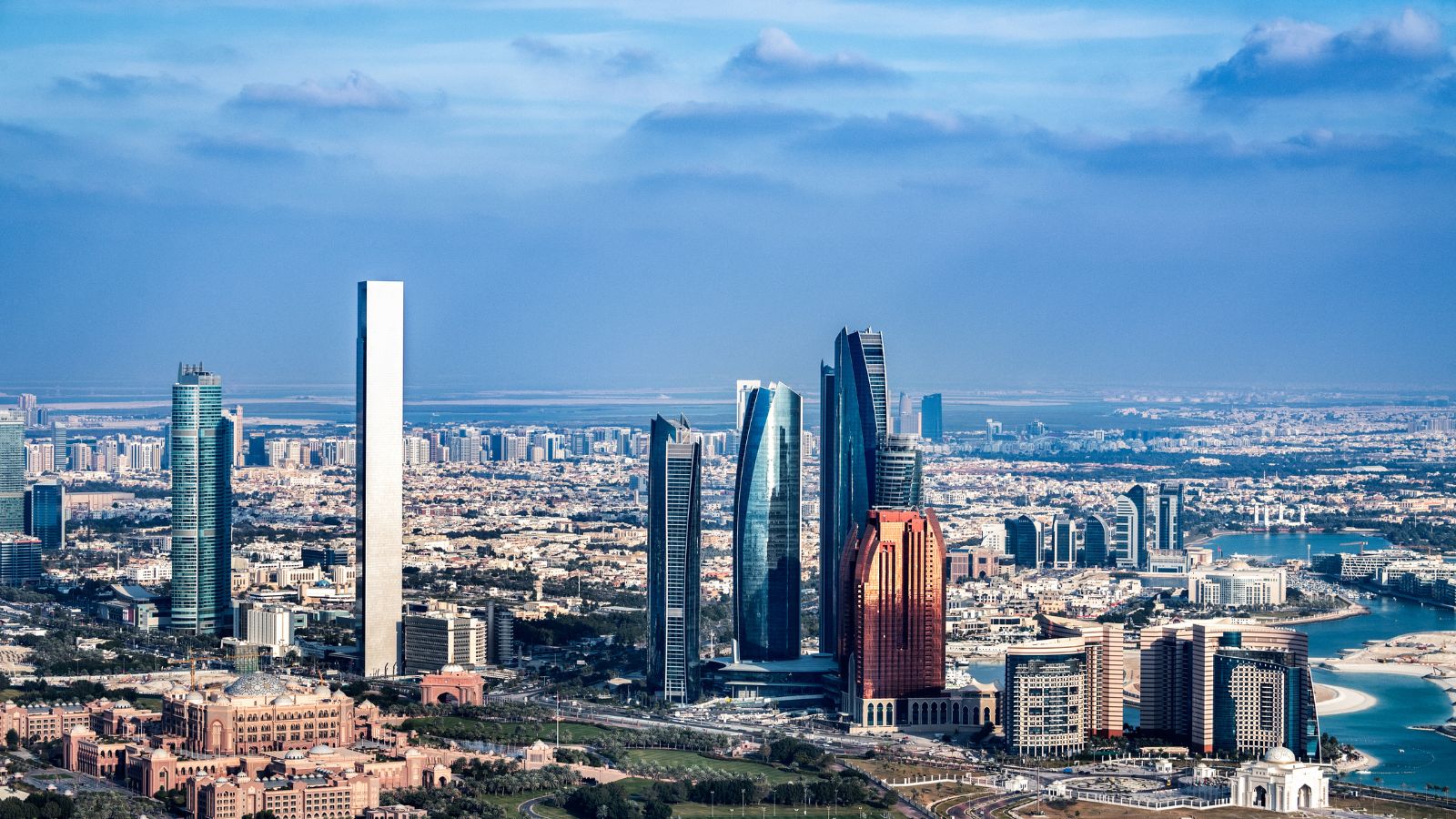
Beyond Dubai, regional development momentum across the UAE remains strong.
Abu Dhabi recorded AED 76.1 billion in residential property sales in 2025, a significant increase year-on-year. Authorities have approved plans for around 190,000 new homes to support long-term population growth.
Approximately 15,900 units are scheduled for delivery in 2026, although typical phased construction suggests actual completions may be lower.
Meanwhile, construction has resumed on the Wynn Resort at Al Marjan Island, a major integrated hospitality development expected to open in 2027 and significantly expand the UAE’s tourism and entertainment sector.
Together, these developments illustrate how the broader UAE property ecosystem continues to expand despite short-term market volatility.
The current environment calls for discipline rather than reaction.
Several practical strategies stand out:
1. Focus on income resilience
Prioritise assets with stable tenants and predictable rental income. In many areas, apartments are currently yielding 8–9.5%, providing a strong buffer against short-term volatility.
2. Reassess yield expectations
Geopolitical risk can justify a higher required return. With price growth expected to moderate, yield is becoming a more important driver of total return.
3. Maintain conservative leverage
While interest rates have eased, prudent financing remains essential. The 3-month EIBOR is around 3.5–3.6%, making refinancing opportunities attractive but excessive leverage unnecessary.
4. Monitor transaction data
Weekly Dubai Land Department transaction figures remain one of the most reliable real-time indicators of market sentiment and liquidity.
5. Look for selective pricing opportunities
In some mid-market segments, motivated sellers are accepting 3–7% discounts, particularly where liquidity needs or timing pressures exist.
The coming months are likely to represent a price-discovery phase rather than a structural downturn.
Financial markets repriced geopolitical risk quickly, with property equities correcting sharply. The physical real estate market is adjusting more gradually.
If regional tensions stabilise, sentiment could recover quickly, and the recent correction in property equities may prove temporary.
If uncertainty persists, transaction momentum may soften, but the underlying drivers of the Dubai property market remain intact:
- Continued global capital inflows, supported by a high proportion of cash transactions
- Large-scale infrastructure investment, including projects under Dubai’s AED 302 billion budget for 2026–2028
- Regulatory stability, reinforced by recent legislative reforms
For investors, the most reliable guide remains real market data rather than headlines.
Transaction volumes, rental performance, vacancy levels, and lending conditions will ultimately determine the trajectory of the market—not short-term movements in equity indices.
Dubai has navigated multiple market cycles over the past two decades. The current environment appears to be another period of adjustment rather than a structural break in demand.
Next step
Let’s Talk
If you’d like to unpack where the most resilient opportunities are emerging — in stabilised residential areas or income-generating commercial zones — I’m happy to share a focused, data-driven shortlist based on your investment goals.
📞 No pressure, no sales pitch—just a focused, informed conversation about your investment goals. Let’s talk.
Published 16 March 2026 by Stephen James Mitchell MBA. Market figures quoted reflect the data available at that date.