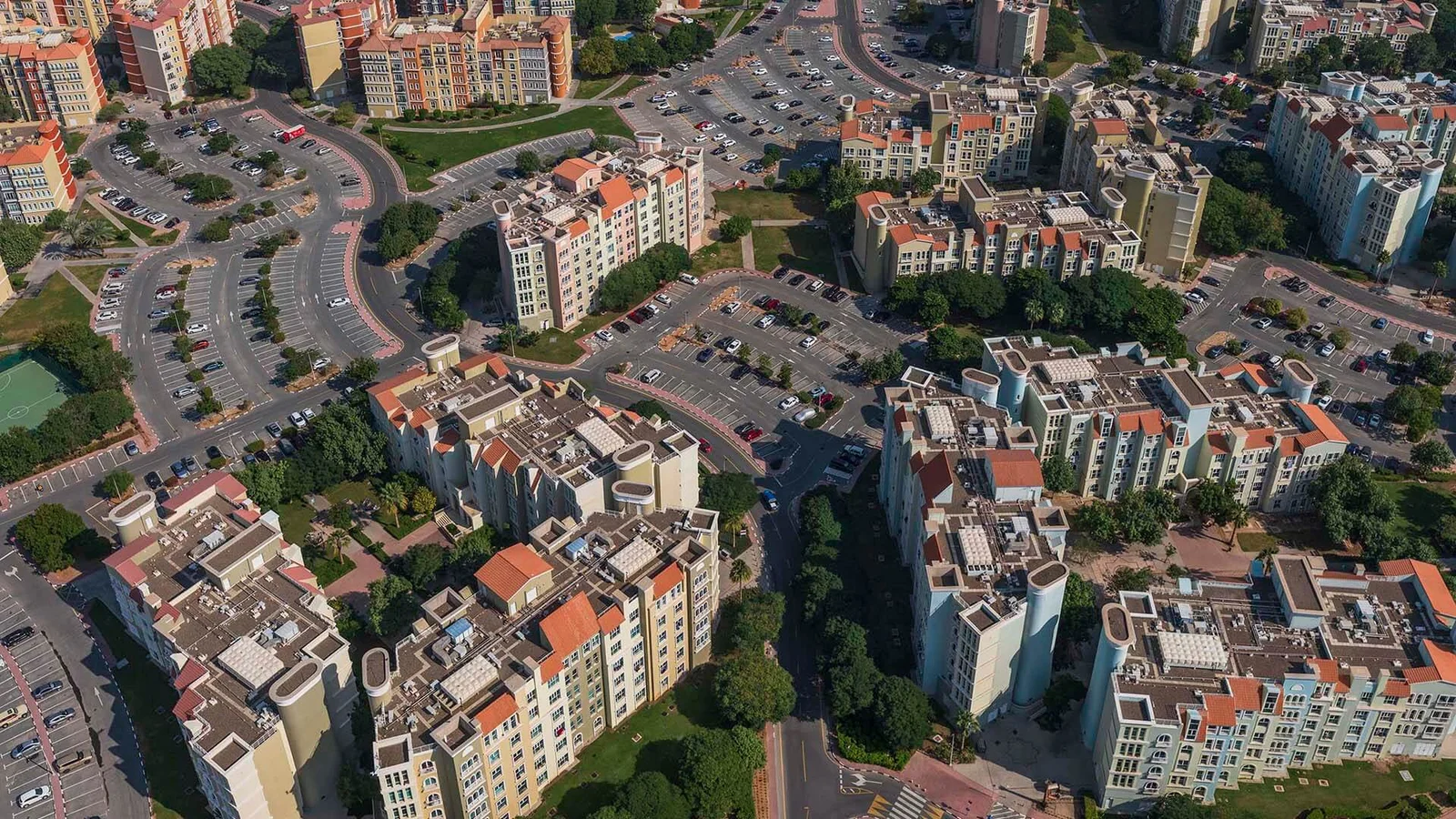
DISCOVERY GARDENS: NAKHEEL'S METRO-CONNECTED AFFORDABLE APARTMENT HUB
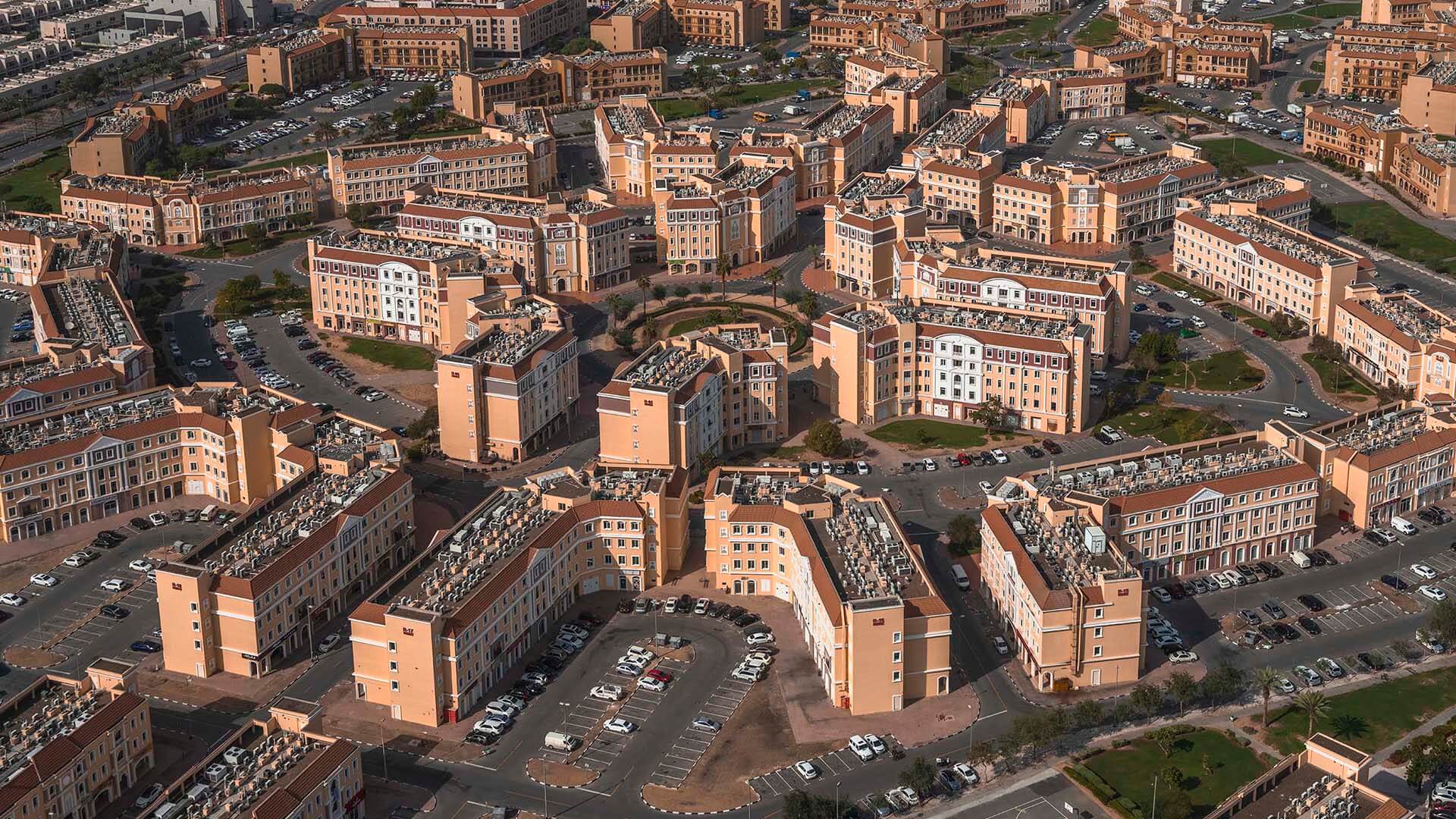
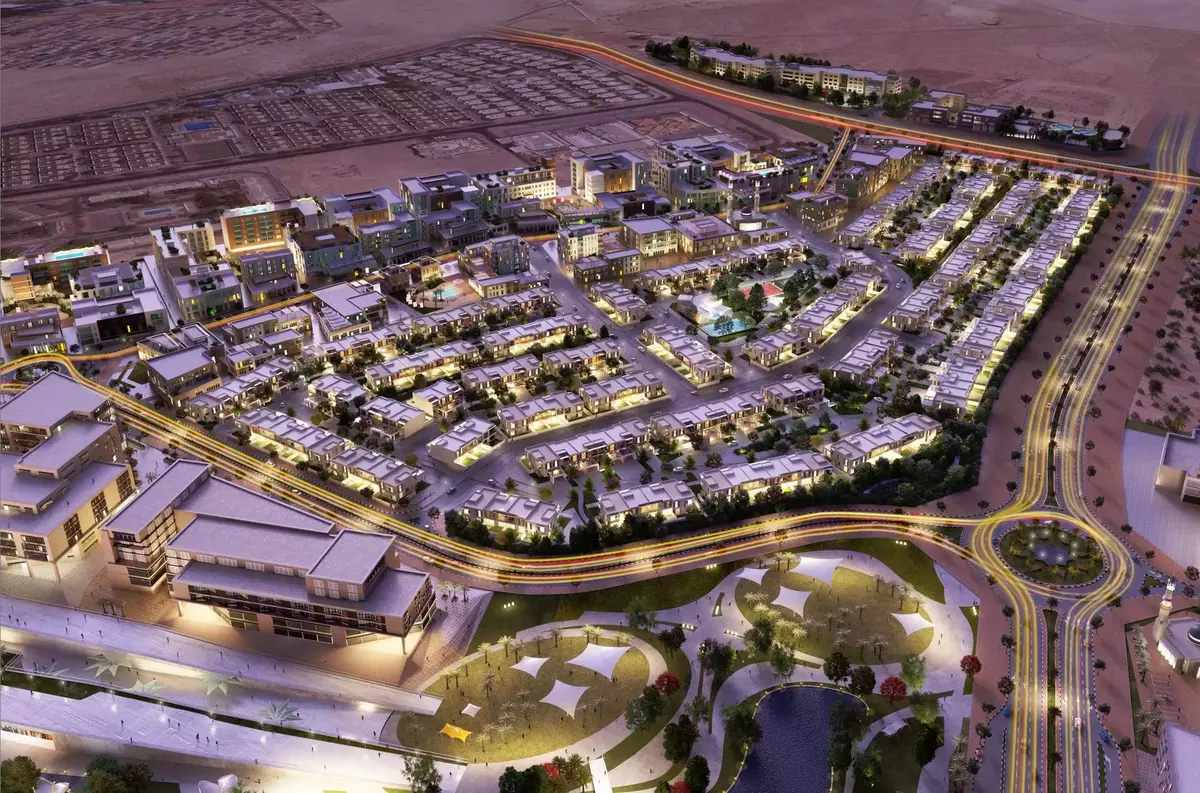
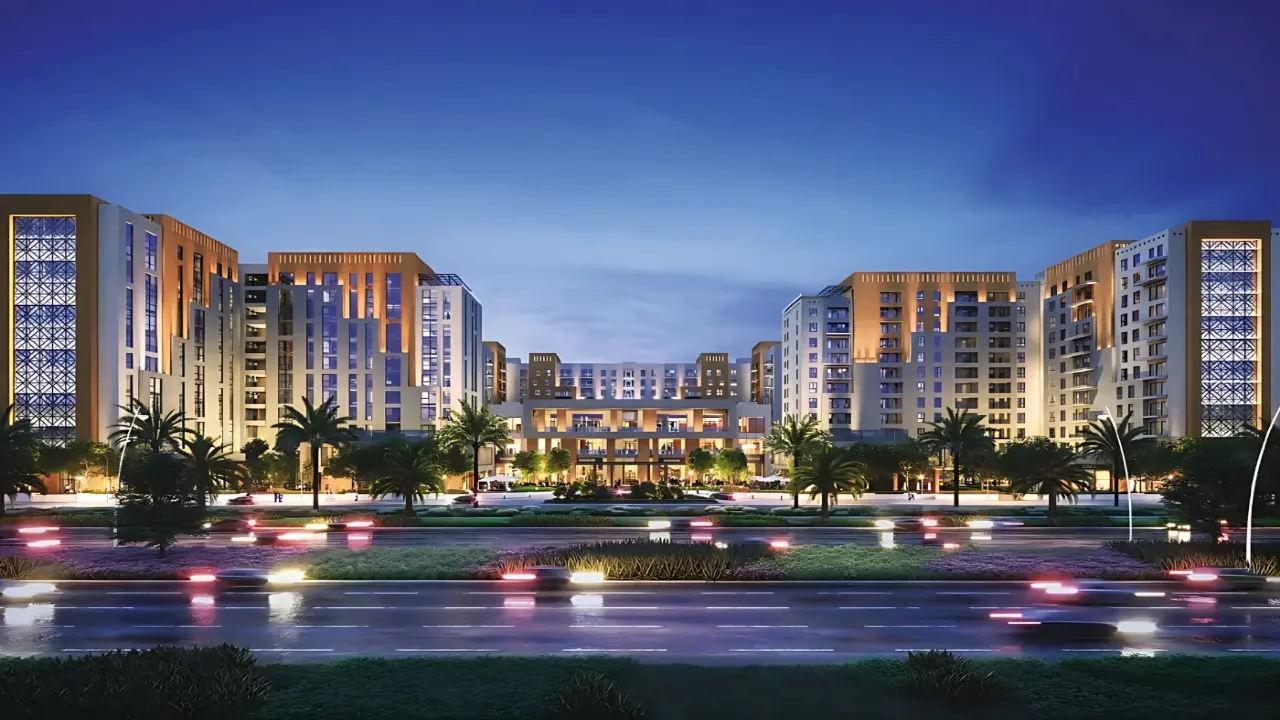
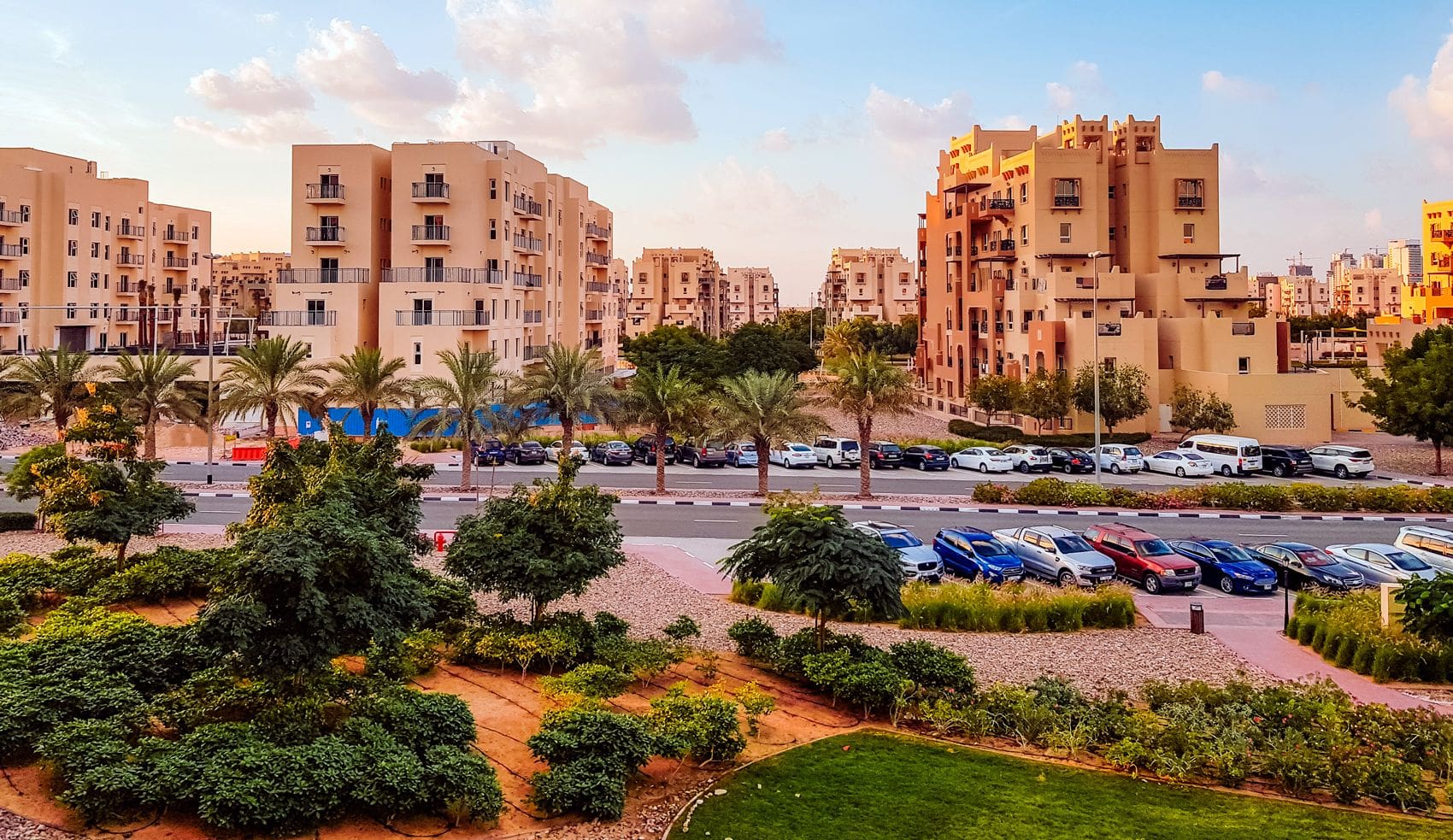
The community comprises over 26,000 apartments and supports an estimated population of 70,000 to 90,000 residents, making it one of the most densely populated residential communities in Dubai. The unit mix spans studios, one-bedroom and two-bedroom apartments distributed across five themed sub-clusters — Mediterranean, Mogul, Mesoamerican, Contemporary and Zen — with landscaped gardens between the low-rise blocks. Its defining competitive advantage is metro connectivity via the Ibn Battuta station on the Red Line and direct adjacency to Ibn Battuta Mall, which together provide a combination of transport infrastructure and retail amenity that most affordable Dubai communities lack.
For yield-focused investors, Discovery Gardens delivers gross yields of 6 to 8 per cent from ultra-affordable apartment stock — a yield profile that places it among the highest-performing apartment communities in the city. The investment case is built on the structural demand for affordable housing near employment and transit infrastructure, with the metro connection providing a tenant attraction that distinguishes Discovery Gardens from competing budget communities like International City or Liwan where car dependency limits the tenant pool. Entry-level acquisition costs typically range from AED 400,000 to 700,000 for studios and one-bedroom apartments, placing Discovery Gardens among the most accessible freehold entry points in the Dubai apartment market.
The community's infrastructure centres on Ibn Battuta Mall, which serves as the primary retail, entertainment, and employment anchor for residents. Retail strips within the community provide daily convenience, while the proximity to JLT, the DMCC free zone and the broader western corridor employment base provides tenant access to mid-market professional opportunities. The community's scale creates a self-sustaining ecosystem with schools, healthcare, community pools, children's play areas and service amenities that reduce residents' dependence on external facilities. Adjacent communities The Gardens, Al Furjan, Wasl Gate and Jebel Ali Village contribute to a broader western corridor residential cluster that collectively houses several hundred thousand residents. This self-sustaining ecosystem means that Discovery Gardens tenants can meet most daily needs within walking distance of their apartment, which reduces reliance on private vehicles and reinforces the metro-connected tenant proposition.
Classified as Tier 2 – Yield & Volume, Discovery Gardens serves investors seeking maximum income from affordable apartment stock with a structural connectivity advantage that differentiates it from every other comparable budget community in Dubai. The metro station is the single most important feature that supports long-term rental demand and differentiates this community from peer affordable clusters that rely on car-dependent commutes. This guide covers the cluster-selection strategy for yield investors, the due diligence framework for aging apartment stock, the rental yield dynamics driven by metro-connected budget tenant demand, and the portfolio construction role of this community as an affordable yield anchor within a balanced Dubai residential portfolio.
DISCOVERY GARDENS: MARKET ANALYSIS AND INVESTMENT DYNAMICS
INFRASTRUCTURE AND CONNECTIVITY
Discovery Gardens delivers gross rental yields of 6 to 8 per cent, which is among the highest in Dubai's apartment market. The yield performance is driven by ultra-affordable acquisition costs — typically AED 400,000 to 700,000 for studios and one-bedroom units — and the persistent demand from budget-conscious tenants who value the metro connectivity that the community provides. The Ibn Battuta metro station is the community's key differentiator: it provides tenants without private vehicles access to the broader Dubai employment market via the Red Line, which expands the addressable tenant pool beyond what car-dependent affordable communities can access. This metro premium supports both higher occupancy rates and relatively stronger rental rate resilience compared to non-metro-connected peers such as International City, Liwan or Remraam.
RENTAL MARKET AND TENANT PROFILE
As a fully delivered Nakheel community with no significant new supply pipeline, Discovery Gardens benefits from a fixed stock base that protects rental values from dilution. The community's maturity is a double-edged proposition: the established infrastructure and proven tenant demand provide investment certainty, but the aging stock — now approaching two decades old — requires ongoing maintenance and periodic refurbishment to maintain rental competitiveness. With over 26,000 apartments, the community's scale means that internal supply dynamics can affect specific clusters even when the overall market is strong. Investors should conduct cluster-level analysis to identify well-maintained blocks with reasonable service charges, as performance variation across the community's extensive footprint can be meaningful.
SUPPLY DYNAMICS AND PORTFOLIO POSITIONING
The tenant base at Discovery Gardens spans budget tenants, expat workers, families, and mid-market professionals attracted by the combination of affordable pricing and metro access. This broad demographic base provides demand resilience, as the community serves multiple tenant segments rather than depending on a single demographic. Ibn Battuta Mall's role as a major retail and employment destination creates a locational anchor that sustains demand even during broader market softness. The primary limitations are the community's high density, which creates parking pressure in some clusters, and the aging of the stock, which affects the quality of living in blocks that have not been adequately maintained. These factors are priced into the affordable rental rates but should be monitored as part of ongoing investment management.
DISCOVERY GARDENS: INVESTMENT STRATEGY AND ENTRY POINTS
The investment strategy for Discovery Gardens is metro-connected yield maximisation within the affordable apartment segment. Investors should prioritise apartments in clusters closest to the Ibn Battuta metro station and the mall, as these locations command the strongest tenant demand and the most resilient occupancy rates. Studio and one-bedroom units align with the highest-demand configurations, typically entering at AED 400,000 to 550,000, though two-bedroom apartments at AED 600,000 to 900,000 attract small family tenants who tend to hold longer leases. The yield range of 6 to 8 per cent gross, combined with metro-connected demand resilience, supports a buy-and-hold approach focused on cash flow generation over hold periods of 5 to 10 years. The metro-connected demand floor means occupancy resilience is structurally stronger than at comparable non-metro affordable communities.
Due diligence should focus on block-level quality, service charge history, and parking availability, as these factors vary meaningfully across the community's 26,000-unit footprint. Well-maintained blocks with competitive service charges will outperform poorly managed alternatives by a significant margin, making cluster selection the primary determinant of investment success. Investors should budget for periodic refurbishment of AED 50,000 to 150,000 per unit to maintain rental competitiveness as the stock ages, particularly in earlier-delivered blocks where original finishes are now approaching two decades old. Service charge variability across the five themed sub-clusters can materially affect net yield, so comparing at-block figures is essential before any acquisition. Investors unfamiliar with Discovery Gardens should walk the five sub-clusters in person before committing capital, since block-level quality and parking access vary enough to shift net yield by one to two percentage points depending on selection discipline.
For portfolio construction, Discovery Gardens pairs well with other affordable yield positions across different parts of Dubai, providing geographic diversification within the budget apartment segment. The metro connectivity provides a structural advantage that International City and Liwan cannot match, which justifies a slightly higher portfolio weighting relative to non-metro-connected affordable communities. The income focus should be complemented by growth-oriented positions elsewhere in the portfolio — emerging metro-connected communities like Wasl Gate, central freehold growth districts like Jumeirah Garden City, or prime villa communities like Jumeirah Golf Estates — to achieve a balanced total return profile. Position sizing is typically two to five units across different clusters given the AED 400,000 to 900,000 ticket size, providing meaningful cash-flow exposure without concentration in any single building or sub-cluster. Investors seeking one of the highest-yield metro-connected apartment exposures in the Dubai market will find Discovery Gardens structurally differentiated from every other affordable community in the city.
SUPPLY DYNAMICS
Single master developer (Nakheel), mature built-out community with limited new supply pipeline
TENANT PROFILE
Budget tenants, expat workers, mid-market professionals, families seeking metro-connected value
KEY RISK FACTORS
Aging stock, high density, parking pressure in clusters, limited premium positioning
KEY INFRASTRUCTURE
Discovery Gardens sits in Dubai's western corridor directly adjacent to Ibn Battuta Mall, with Red Line metro connectivity via the Ibn Battuta station anchoring the community's transport infrastructure. The community is positioned alongside The Gardens, Al Furjan, Jebel Ali Village and Discovery Gardens Park, with Sheikh Zayed Road (E11) providing arterial access to the rest of Dubai. Nearby anchors include the broader JLT business district, Dubai Marina and JBR retail cluster, the DMCC free zone and the Jebel Ali Free Zone employment corridor. Expo City Dubai and Al Maktoum International Airport (DWC) anchor the expanding Dubai South logistics cluster to the south-west. Internal amenities include landscaped gardens, community retail strips, schools, mosques, clinics, healthcare facilities, community pools and children's play areas distributed across the community's Mediterranean, Mogul, Mesoamerican, Contemporary and Zen-themed sub-clusters.
Area fundamentals
- ASSET PROFILE
- Affordable apartment yield cluster near Ibn Battuta
- INVESTOR PROFILE
- Yield investor (affordable metro-connected apartments)
- TIER
- Tier 2 – Yield & Volume
- MARKET TYPE
- Budget, apartments, yield, Ibn Battuta proximity
- EST. POPULATION
- ~70,000–90,000
- LAND SIZE
- ~24.8m sq ft
Next step
Request a briefing
You will get Discovery Gardens as a brief: the buildings on this page, the register readings behind them, and our view on each.