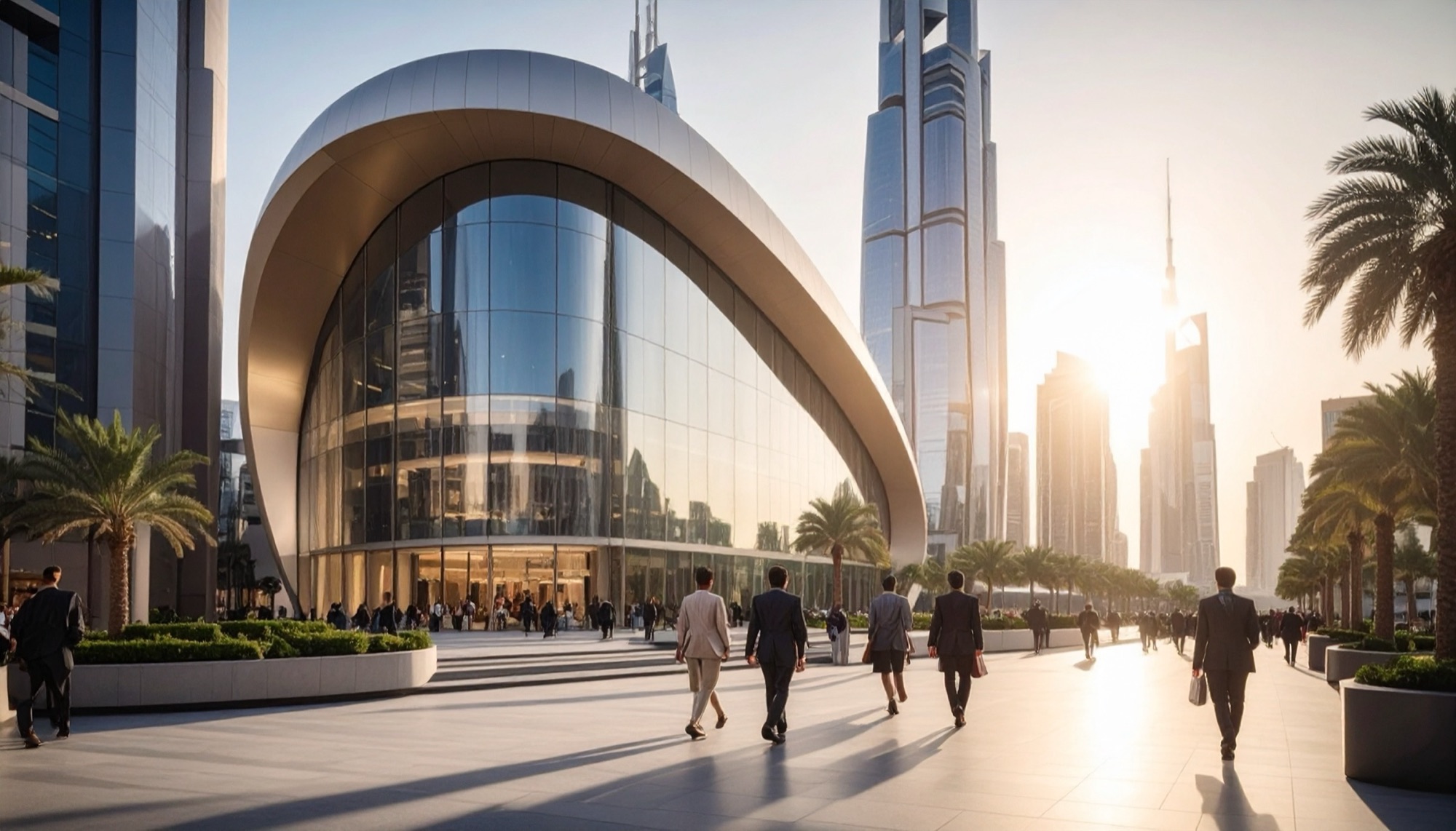
Dubai’s real estate market surged to new highs in the third quarter of 2025, defying expectations of a post-summer slowdown. According to CBRE Middle East’s latest UAE Real Estate Market Review, property sales exceeded $38 billion, while office occupancy climbed to an unprecedented 94%.
This momentum comes at a time when many global markets are grappling with slower growth and tighter liquidity. Yet across the UAE, demand for residential, commercial, and hospitality assets continues to rise—driven by foreign investment, economic diversification, and a consistent stream of new residents and businesses.
Abu Dhabi mirrored this strength, reporting record transaction volumes and one of the region’s tightest rental markets. Together, the two cities are setting the tone for a market that is not just expanding but evolving—supported by disciplined supply management and long-term policy stability.
For investors, these developments mark a pivotal moment. The UAE’s property sector is no longer defined by short-term cycles but by structural resilience, where sustained occupancy, robust pricing, and strategic diversification are shaping a new phase of growth. Understanding how these dynamics unfold across asset classes will be critical to identifying where the next wave of opportunity lies.
The momentum driving Dubai’s real estate surge is reshaping investment strategy across the region. Whether you’re diversifying or entering the market for the first time, we can help you navigate it with clarity. Click here to schedule a free consultation.
Section 01
UAE Residential Real Estate Market Performance: Dubai Leads with Q3 Sales, Abu Dhabi Accelerates
Dubai’s residential segment continued to outperform in Q3 2025, defying seasonal slowdowns. Transaction volumes climbed 16% year-on-year, totaling 56,723 deals worth AED139.8 billion ($38.1 billion). Off-plan properties represented 75% of all activity, pointing to enduring confidence in future supply and sustained end-user demand.
Price growth of nearly 13% reflects a combination of limited completed inventory and the continued influx of expatriate professionals. Notably, communities such as Dubai Silicon Oasis and DIFC recorded the strongest annual appreciation, highlighting a broadening investment appeal beyond traditional luxury zones.
In Abu Dhabi, the growth trajectory has been even steeper. Transaction volumes surged 79% compared with the previous year, driven by both investor acquisitions and end-user demand. Average prices and rents rose over 25%, underpinned by constrained supply and growing interest in mixed-use developments.
This surge is supported by the emirate’s ongoing efforts to expand residential offerings near key business districts, particularly around Al Maryah and Reem Islands. The emergence of these sub-markets suggests a structural shift toward more diversified demand sources, reducing historical reliance on government-linked housing activity.
If residential performance has been robust, the commercial office market has been exceptional. Dubai’s average office occupancy reached 94% in Q3 2025, a level rarely sustained in mature global markets. The strongest activity is concentrated in free zones such as DIFC, DMCC, and Dubai Design District (d3), where demand continues to outpace supply.
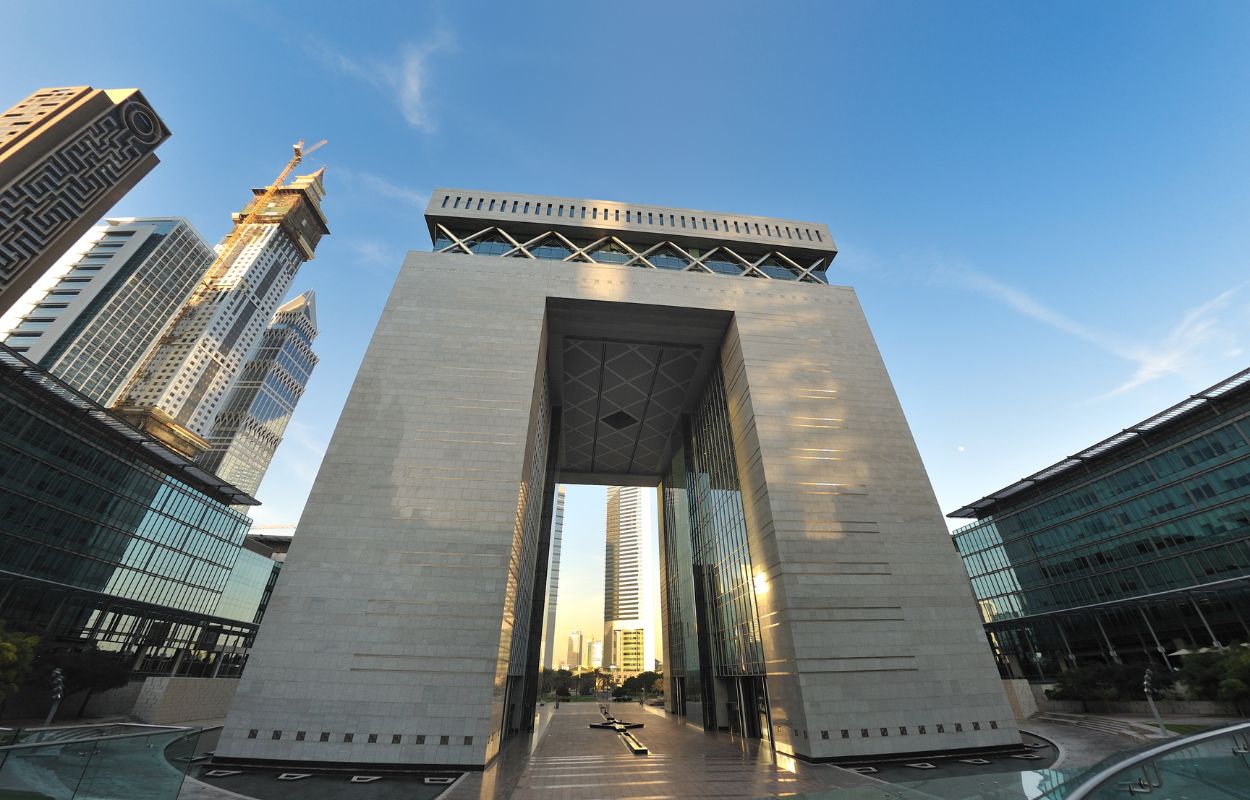
Rents have risen 19% year-on-year, reflecting both limited availability and the continued influx of multinational occupiers seeking regional headquarters in a stable jurisdiction. This imbalance has led to early pre-leasing activity, with occupiers securing space years ahead of completion.
Abu Dhabi’s office segment is following a similar pattern, led by Al Maryah Island and the Abu Dhabi Global Market (ADGM). Average rents there have risen by 8% annually, with prime offices commanding notable premiums due to near-full occupancy. Remaining availability is largely concentrated on Reem Island, where demand is being driven by ADGM-linked enterprises and professional services firms.
With new Grade A supply not expected before 2027, landlords remain firmly in a position of strength. However, this tightness also introduces potential for overextension—both in pricing and tenant retention—particularly if global capital markets soften. For investors, selective entry into quality, well-leased assets remains a prudent strategy, especially in free zone locations with proven liquidity.
Office space is at a premium, with 94% occupancy and strong rent growth across free zones. Explore available office listings to identify spaces with long-term value potential.
Tourism continues to be a key pillar of the UAE’s diversification strategy. By the end of 2025, the country is projected to welcome approximately 27.6 million international visitors, supported by visa reforms, new airline routes, and large-scale events across Dubai and Abu Dhabi.
Both cities reported year-to-date occupancy rates of 79%, while revenue per available room (RevPAR) rose 12% compared to 2024. This performance has been particularly strong in Abu Dhabi, where hotel revenues increased 19% to AED4.8 billion ($1.31 billion). Ras Al Khaimah, meanwhile, has recorded a 9% rise in hospitality income, supported by new resort developments and resilient domestic demand.
The hospitality pipeline remains active, with a strategic focus on high-value segments such as wellness tourism and business travel. Notably, several operators are integrating healthcare and hospitality offerings—a model gaining traction among regional and international investors.
For institutional investors, this diversification represents a shift from short-term tourism cycles toward sustainable, experience-driven occupancy. Given consistent yield performance, hotel real estate remains an attractive alternative within the broader income-producing asset spectrum.
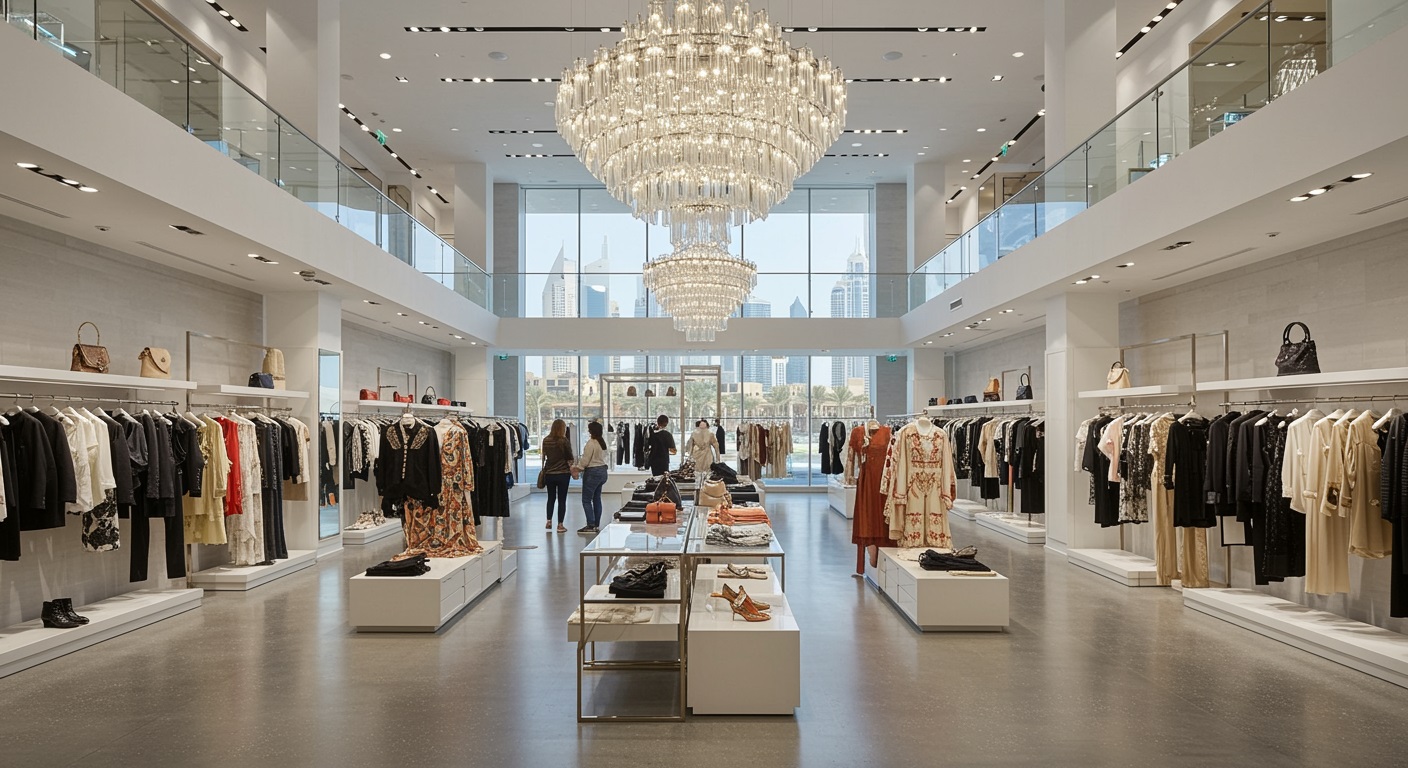
Retail and industrial real estate have both benefited from strong economic fundamentals and constrained supply. In Dubai, retail occupancy stands at 97%, while Abu Dhabi maintains 95%. These figures indicate that, despite shifts toward e-commerce, brick-and-mortar retail remains resilient when supported by destination-oriented strategies.
Average retail rents rose 5.3% in Dubai and 3.3% in Abu Dhabi. International brands such as Skims and Ulta Beauty continue to enter the market, often replacing underperforming tenants through proactive asset management. For landlords, this reflects a continued ability to optimize revenue streams in high-traffic destinations like the Mall of the Emirates and Yas Mall.
Industrial assets, long considered a niche segment, are emerging as a focal point for logistics and manufacturing investors. Rents in Dubai rose 18% year-on-year, while Abu Dhabi recorded a 12% increase. Major logistics and light industrial facilities are scheduled for delivery beginning in 2026, catering to e-commerce, 3PL, and regional manufacturing operators.
These developments align with broader national strategies such as Operation 300bn and the National Industrial Strategy 2031, both of which prioritize advanced manufacturing and export-oriented growth. For investors, early positioning in industrial hubs with strong infrastructure connectivity could deliver long-term value as the sector transitions from growth to consolidation.
As retail assets continue to perform strongly across Dubai and Abu Dhabi, it’s worth seeing where this momentum is taking shape on the ground. Click here to browse available retail listings.
CBRE’s latest projections suggest the UAE’s GDP will grow by 4.9% in 2025, with non-oil activity expanding by 4.6%. These figures confirm that diversification policies are translating into measurable economic resilience. Oil output is expected to strengthen moderately, but it is the non-oil economy—particularly tourism, logistics, and real estate—that is now driving consistent growth.
The UAE’s Purchasing Managers’ Index (PMI) climbed to 54.2 in September 2025, signaling expansion across the private sector and continued business confidence. The combination of fiscal prudence, stable currency policy, and open investment frameworks has created a predictable environment—qualities that institutional capital increasingly values in an era of global uncertainty.
Key reforms, such as long-term visa initiatives, full foreign ownership laws, and a maturing REITs framework, have further enhanced transparency and liquidity. Together, these developments reinforce the UAE’s position as a global hub for both direct and indirect real estate investment.
From an investor’s standpoint, one of the UAE’s distinguishing features is its ability to balance ambition with governance. Policymakers have maintained a disciplined approach to new supply, avoiding speculative overbuilds that once characterized previous market cycles.
In Dubai, the government’s proactive data-driven planning model—bolstered by initiatives like the Dubai 2040 Urban Master Plan—is ensuring a steady balance between residential expansion and infrastructure readiness. Meanwhile, Abu Dhabi’s Economic Vision 2030 continues to guide investment toward diversified sectors, including logistics, life sciences, and renewable energy, all of which drive secondary demand for real estate.
Crucially, both emirates are aligning sustainability and real estate objectives. ESG-focused development, particularly around energy-efficient design and green certifications, is becoming a major differentiator in asset valuation. For investors, assets with credible sustainability credentials are already commanding rental premiums and lower vacancy risk, a trend likely to strengthen through 2030.
Still reading
Need expert help on this subject?
For investors, the takeaway from UAE real estate market Q3 sales data is clear: the UAE remains a growth market—but one requiring precise asset selection and disciplined capital deployment.

- Residential: Strong end-user demand supports medium-term growth, but yield compression is visible in prime areas. Secondary communities and off-plan investments with phased delivery schedules offer attractive entry points.
- Commercial: The undersupplied office segment presents short-term yield stability but may face moderation post-2027 as new supply enters the pipeline. Investors should focus on core-plus assets with sustainable rent rolls and blue-chip tenants.
- Hospitality: Operators focusing on experience-based tourism—health, business, or lifestyle segments—are likely to outperform. Co-investment models between real estate developers and hospitality brands are emerging as viable vehicles for institutional capital.
- Industrial: Logistics and manufacturing assets remain one of the few sectors offering both capital appreciation and income growth. Strategic warehousing near Jebel Ali, Khalifa Port, and Al Ain corridors should be prioritized.
Risk mitigation will increasingly hinge on diversification—across asset types, emirates, and tenant profiles. The growing maturity of the REITs market also provides investors with liquidity and exposure to diversified portfolios without the administrative overhead of direct ownership.
Despite robust fundamentals, investors should monitor several factors that could influence near-term performance:
- Global Monetary Policy: Prolonged high interest rates could temper mortgage-driven demand, particularly in the mid-tier residential segment.
- Supply Timelines: Delays in project handovers, especially in the industrial sector, could affect short-term yield projections.
- Rental Plateau: As new residential supply enters the market in 2026–2027, rental growth may moderate, particularly in submarkets with high off-plan concentrations.
- Operational Costs: For hospitality and retail operators, inflationary pressures on staffing and utilities could compress margins if not offset by pricing power.
Nonetheless, the UAE’s fiscal and regulatory frameworks provide strong buffers. The dirham’s peg to the U.S. dollar, coupled with substantial sovereign reserves, continues to support macroeconomic stability and investor confidence.
To navigate the current landscape effectively, investors should consider the following strategic approaches:
| Strategy | Rationale |
|---|---|
| Core-plus acquisitions in prime office zones | Benefit from tight supply and sustained rent escalation until 2027. |
| Participation in off-plan partnerships | Capture development-stage upside in well-located projects with credible sponsors. |
| Industrial joint ventures | Leverage growth in logistics, e-commerce, and manufacturing. |
| Hospitality repositioning projects | Acquire underperforming assets for value-add through brand upgrades or thematic rebranding. |
| ESG-aligned investment vehicles | Align with investor mandates emphasizing sustainability and long-term resilience. |
These approaches align with the broader investor trend toward active portfolio management and thematic investment—prioritizing assets that offer both financial and strategic value.
In closing
Conclusion: A Market Entering a New Maturity Phase
The UAE’s real estate market in 2025 stands at a pivotal juncture—one defined not just by rapid growth, but by structural depth and policy-driven sustainability.
High occupancy, diversified demand, and disciplined supply pipelines signal a market that has matured beyond speculative cycles. For investors, this environment presents opportunities that reward selectivity, due diligence, and alignment with long-term economic trends.
The coming years will likely see continued capital inflows, particularly from Asia and Europe, as the UAE consolidates its position as a global real estate and investment hub. For those seeking stable, inflation-hedged assets in a region of sustained economic dynamism, the UAE remains a compelling proposition.
Frequently asked questions
0601How does the UAE’s real estate performance compare with other GCC markets?
The UAE outperformed regional peers in 2025, driven by higher transaction volumes, diversified demand, and institutional-grade infrastructure. Dubai and Abu Dhabi remain the most liquid markets in the GCC.
02Are residential prices expected to keep rising in 2026?
Moderate growth is likely, particularly in mid-market and off-plan segments. Prime areas may see stabilization as more supply enters the market.
03What sectors present the most resilient returns?
Commercial offices and industrial logistics offer the strongest rental stability, while hospitality provides cyclical upside driven by tourism growth.
04How are investors managing currency and geopolitical risk?
The dirham’s U.S. dollar peg minimizes currency volatility. Additionally, the UAE’s diplomatic neutrality and strong international ties mitigate regional geopolitical exposure.
05Are there new opportunities in alternative real estate classes?
Yes. Healthcare, education, and data center assets are attracting growing investor attention due to long-term demand visibility and stable returns.
06What policy developments should investors watch in 2026?
Continued expansion of the REITs framework, green finance incentives, and further digitalization of property registration systems will be important regulatory milestones.
Next step
Let’s Build Your Commercial Investment Strategy
I’m Stephen James Mitchell, Managing Director of Global Investments and a licensed commercial real estate advisor.
If you’re exploring how to deploy capital into Dubai’s fast-moving commercial sector, I’m here to support you with data-driven insights and access to strategic opportunities.
📞 I'll help you:
- Identify off-plan and secondary commercial assets with strong upside
- Evaluate market trends in leasing rates, tenant demand, and asset class performance
- Build a resilient, yield-focused investment strategy tailored to your goals
Connect Now:
Call/WhatsApp: +971 58 552 7721
Published 5 November 2025 by Stephen James Mitchell MBA. Market figures quoted reflect the data available at that date.