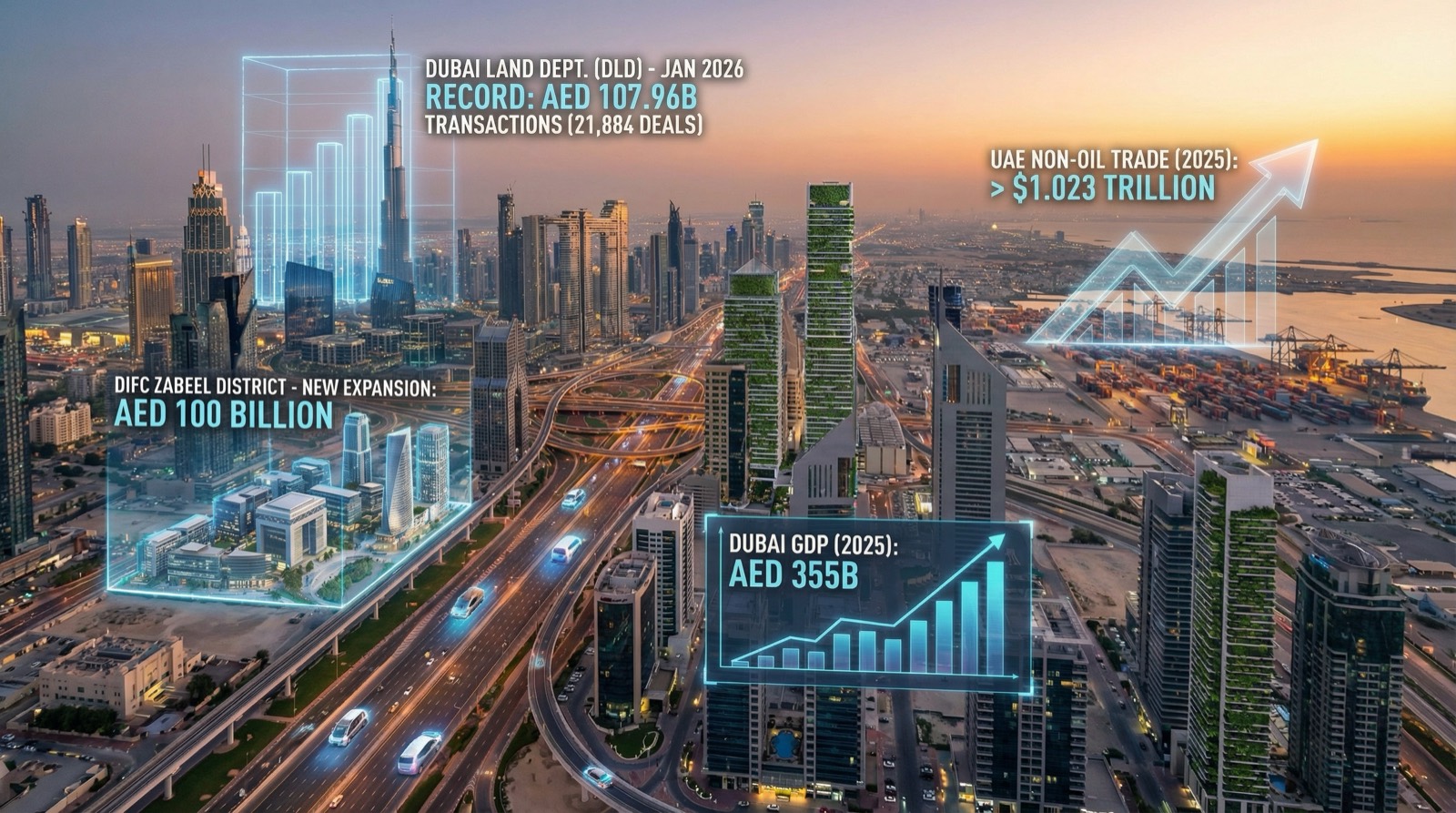
According to data released by the Dubai Land Department (DLD), January 2026 was the strongest January on record, with AED 107.96B in real estate transactions across 21,884 deals. This strong start followed a year of sustained economic momentum.
In 2025, the UAE recorded over $1.023 trillion in non-oil trade, a 26.2% increase year-on-year, driven by exports (+45%) and re-exports (+15.7%). Dubai’s GDP reached AED 355B, expanding 4.7% over the year, with Q3 alone contributing AED 113.8B at 5.3% growth, led by logistics, finance, trade, and professional services.
That macro expansion translated into real estate demand. Commercial property transactions reached AED 136B in 2025, up 41% year‑on‑year, with office sales more than doubling to AED 13B.
Last week, His Highness Sheikh Mohammed bin Rashid Al Maktoum launched a landmark AED 100B expansion of DIFC, while Abu Dhabi consolidated over $260B in sovereign capital—both moves signalling a longer-term shift toward coordinated investment in financial infrastructure and real assets.
This edition looks at how these economic and capital shifts are feeding into real estate demand, pricing, and development strategy across asset classes — from logistics and industrial zones to offices and mixed-use districts — and what that means for investors allocating capital in 2026.
If you're looking to position yourself strategically in this evolving cycle — whether through high-demand office assets, premium mixed-use hubs, or undervalued off-plan launches — reach out now. I’ll share a curated shortlist of top-performing, data-backed opportunities aligned with your 2026 investment goals. Click here to speak with me directly.
According to the UAE Ministry of Economy, the country’s non-oil trade exceeded $1.023 trillion in 2025, growing 26.2% year-on-year, with exports surging 45% to AED 580B and re-exports topping AED 830.2B. In Q4 alone, non-oil trade hit a record AED 1.1T (+33.1%).
Why it matters for real estate investment and development strategy:
- Rising trade volumes are driving sustained demand for logistics assets, including bonded warehousing, fulfillment hubs, and distribution centers across Dubai’s key industrial corridors.
- Locations such as Jebel Ali, Dubai South, and Al Quoz are entering a period of rental uplift and land value appreciation, particularly for Grade A industrial stock with scalable infrastructure.
- As CEPA agreements expand trade in sectors like pharma, food, and advanced manufacturing, free zones are evolving into integrated real estate ecosystems, supporting higher asset yields and long-term occupancy stability.
Key trade corridors are anchoring long-term logistics and commercial asset demand:
- The UAE–Kuwait trade corridor hit $86.3 billion, reflecting deeper integration and growing throughput along key overland and port-linked supply routes.
- Russia–UAE trade surpassed $12 billion, showing resilience and rising demand for re-export handling and warehousing capacity across Dubai’s northern logistics zones.
- UAE–India non-oil trade rose 14.7% year-on-year, supported by CEPA tariff reductions and increased flows in pharmaceuticals, tech components, and food products.
- Ongoing bilateral expansions with Türkiye, Ukraine, and the EU are further strengthening Dubai’s positioning as a re-export and value-added processing hub.
These aren’t cyclical surges. They represent a structural recalibration of trade flows, and they directly support the pricing power, occupancy, and long-term relevance of logistics-driven commercial real estate — particularly in bonded free zones, multi-modal industrial parks, and build-to-suit logistics facilities.
Investors positioned near these corridors — especially in Dubai South, Jebel Ali, and inland transport hubs — are likely to benefit from sustained rental and capital value growth
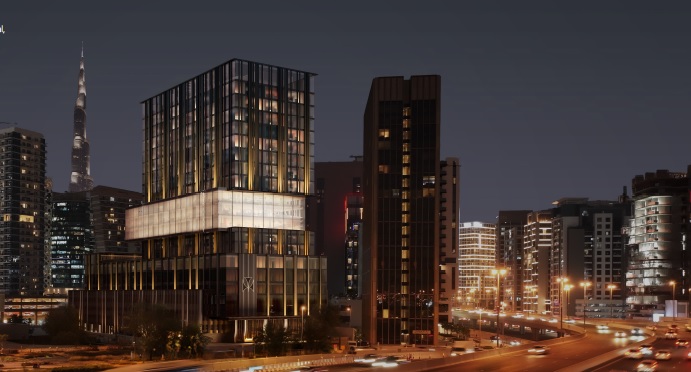
2025 marked the strongest year on record for Dubai’s commercial sector:
- Total commercial transaction value hit AED 136B (+41%)
- Office sales doubled to AED 13B
- Q4 alone delivered AED 45B in sales value
- Secondary market assets dominated, indicating investor preference for income-generating properties
- Average Grade A office prices hit AED 1,759/sq. ft.— a historic high.
Meanwhile, Dubai Land Department reported AED 107.96B in total January 2026 transaction value, a record month, with 21,884 transactions — up 17.3% YoY.
Strategic implications for investors:
- Institutional capital is reallocating to Dubai’s commercial core — Business Bay, DIFC fringe, and Dubai Design District are top targets.
- Rental yields are stabilizing at attractive levels for mid-term hold strategies.
- Office absorption reflects real economic demand — not flip cycles or hyped launches.
All this points to a market increasingly driven by income visibility and occupier fundamentals, rather than speculative turnover.
Explore commercial listings and insights at Mitchell’s Commercial Realty — featuring premium office and retail properties across Dubai, along with market intelligence to help you identify emerging trends.
Dubai’s GDP reached AED 355B in 2025, up 4.7% YoY, with Q3 alone contributing AED 113.8B at 5.3% growth.
This growth reflects:
- Resilient tourism and F&B
- Surging re-export trade
- Rapid expansion in professional services and tech
What this means for real estate:
- Sustained demand for residential leasing, particularly staff housing tied to private-sector hiring
- Continued absorption of retail space as consumer activity strengthens
- Office space demand supported by expanding headcounts in finance, consulting, and tech
- Corporate migration (notably from India, Russia, and Western Europe) reinforcing demand for high-spec, centrally located units
- Tenant demand now moves in line with sector-level GDP growth, giving developers and investors greater clarity on location and asset-type positioning
GDP growth now correlates directly to tenant expansion in knowledge sectors — a key signal for developers, landlords, and REITs alike.
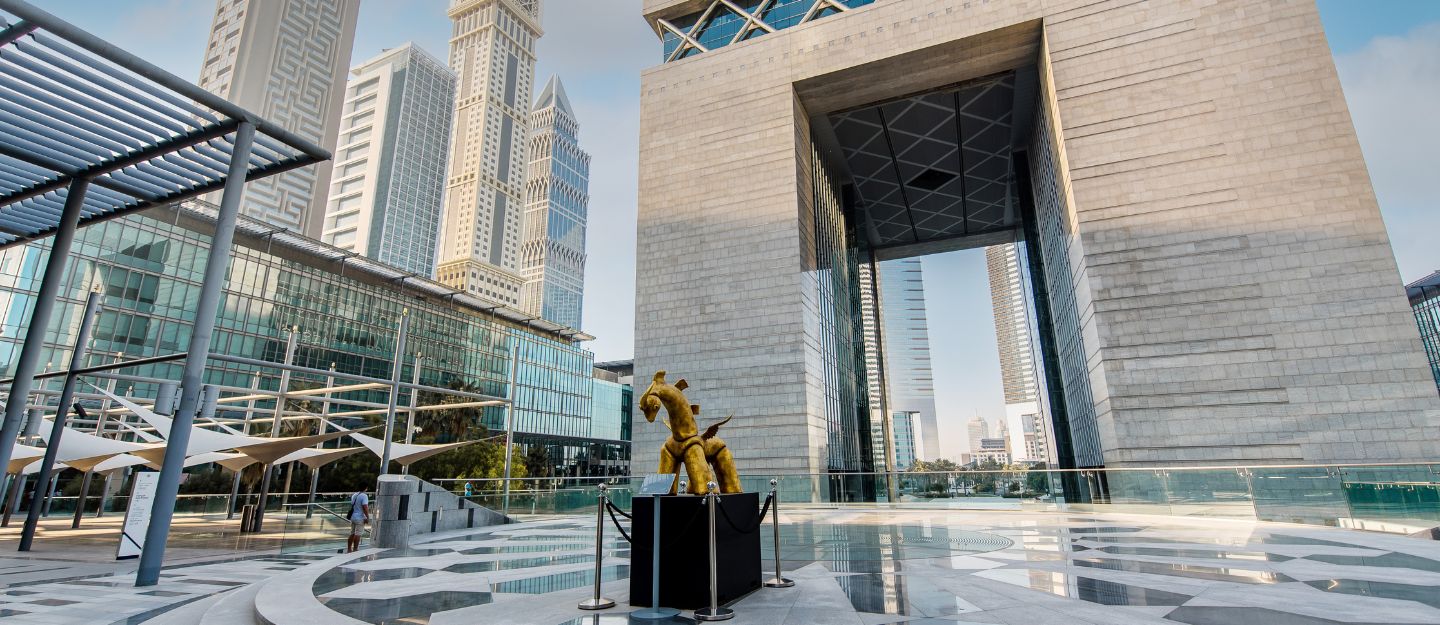
His Highness Sheikh Mohammed bin Rashid Al Maktoum recently launched the DIFC Zabeel District — a landmark AED 100 billion expansion of the Dubai International Financial Centre. The project will more than double DIFC’s capacity to 42,000 companies and support a workforce of over 125,000, with a masterplan set for completion by 2040 and the first phase scheduled to open in 2030.
Implications for surrounding markets:
- Proximity to DIFC fringe areas such as Downtown, Business Bay, and Trade Centre is expected to benefit from pricing uplift and stronger leasing activity
- Retail, hospitality, and flexible workspace formats near the new district are likely to see heightened demand and improved asset performance
- The expansion supports Dubai’s D33 economic agenda, reinforcing the emergence of a “D33 corridor” spanning the city’s east-west business spine
This is the largest demand-led financial centre expansion in the region, and a long-horizon anchor for both institutional-grade office development and supporting real estate segments across Dubai’s central zones.
Still reading
Need expert help on this subject?
Abu Dhabi has restructured its $263B ADQ sovereign wealth fund, merging it with L’imad Assets to form a unified platform with stronger central oversight. The move consolidates capital under the Crown Prince’s office and signals a long-term focus on infrastructure, industrial diversification, and state-backed enterprise development.
At the same time, IHC confirmed plans to double its AED 460B portfolio by 2030, with a $2B monthly capital deployment target, adding significant liquidity into real asset markets.
Implications for real estate and development strategy:
- Reduced execution risk for projects backed by government-aligned developers
- Private credit expansion allows more flexible capital structuring across commercial and mixed-use real estate
- Faster deployment into large-scale logistics, hospitality, and R&D zones tied to national diversification priorities
These capital movements suggest a more coordinated and active funding environment, especially in areas aligned with sovereign development themes — giving investors and developers clearer visibility on where long-term momentum is likely to concentrate.
As the UAE economy diversifies beyond hydrocarbons, several strategic sectors are emerging that require purpose-built real estate — not just offices or warehouses, but specialized formats aligned with production, trade, and hospitality-linked flows.
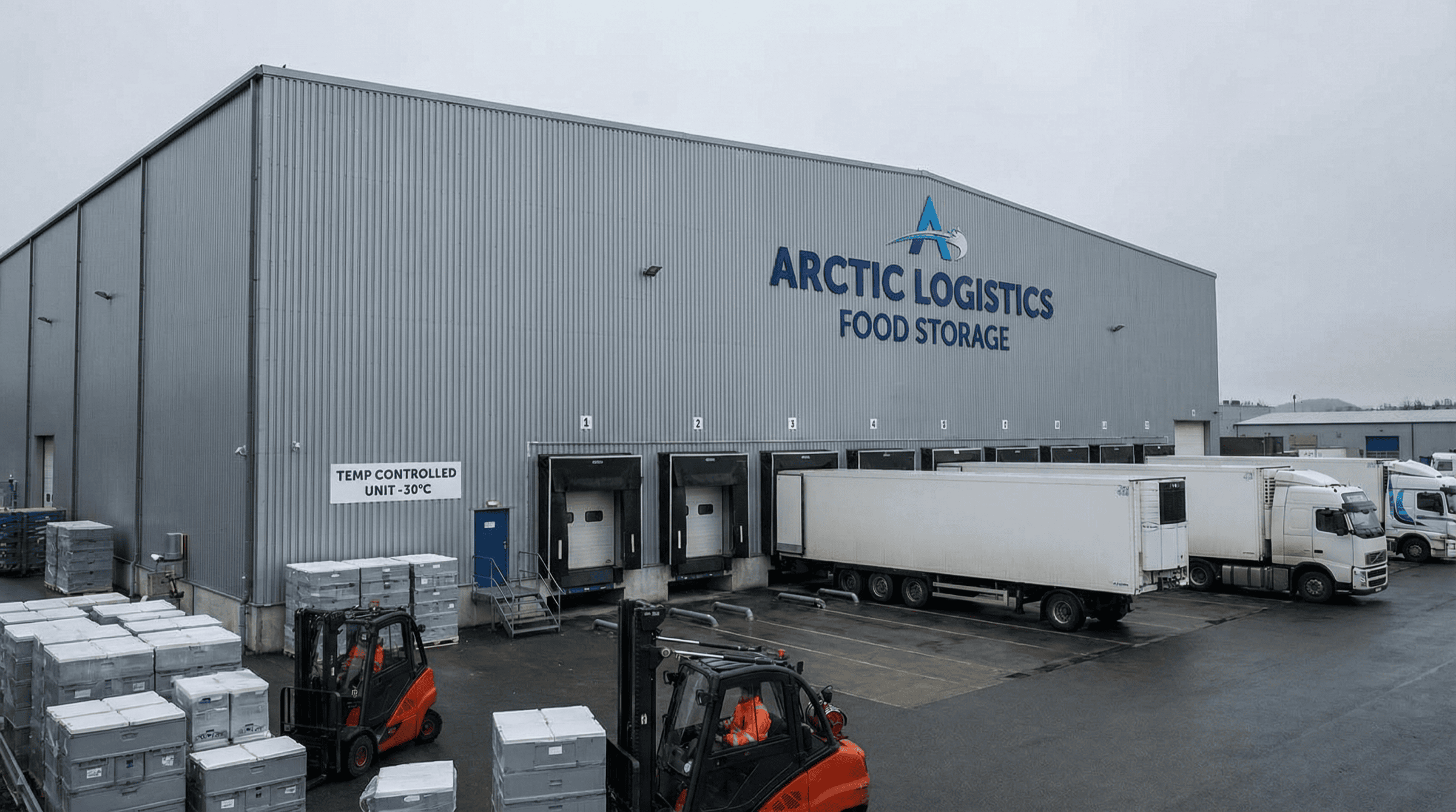
1. Food & Biotech
- The UAE Economy Minister has highlighted Food Processing and Alternative Proteins as national investment priorities
- These sectors are driving demand for lab-enabled industrial space, cold storage, and regulated production facilities, particularly within agri-tech zones and food logistics parks
2. Dubai Gold District
Dubai has launched a dedicated Gold & Jewelry hub, intended to consolidate global trade flows in precious metals
The district will require:
- High-security vaults and storage infrastructure
- Processing and refining floors for value-added manufacturing
- Luxury retail and showroom spaces to serve B2B and HNW clientele
3. Tourism and Cross-Border Business Flows
- The UAE–Türkiye tourism corridor has been elevated to a strategic economic relationship, reinforcing long-term demand for hospitality infrastructure and short-stay executive accommodation
- A newly formed UAE–Ukraine bilateral investment group is expected to support capital flows, corporate registrations, and regional HQ setup, increasing demand for residential and mixed-use assets tailored to relocated professionals
These sectoral shifts point to real estate formats beyond conventional categories, from R&D-enabled industrial units to integrated retail–logistics hybrids and branded executive housing.
Investors focused on spec-built industrial, flex R&D units, or high-security retail-commercial hybrid formats will be best positioned to capture demand from these sector-specific growth drivers.
In closing
Conclusion: What This Week’s Data Tells Dubai Property Investors
The data this week points to a real estate market increasingly shaped by trade flows, economic fundamentals, and sovereign capital—rather than sentiment or speculation. Demand is diversifying across asset classes, with logistics, residential, industrial, and mixed-use formats all seeing tailwinds tied to sector growth and policy direction. For investors, the opportunity now lies in positioning ahead of capital deployment and infrastructure expansion—where absorption is backed by actual use, not hype
Next step
Let’s Talk
If you’d like to unpack where the most resilient opportunities are emerging — in stabilised residential areas or income-generating commercial zones — I’m happy to share a focused, data-driven shortlist based on your investment goals.
📞 No pressure, no sales pitch—just a focused, informed conversation about your investment goals. Let’s talk.
Next step
Ask us about this

Published 2 February 2026 by Stephen James Mitchell MBA. Market figures quoted reflect the data available at that date.