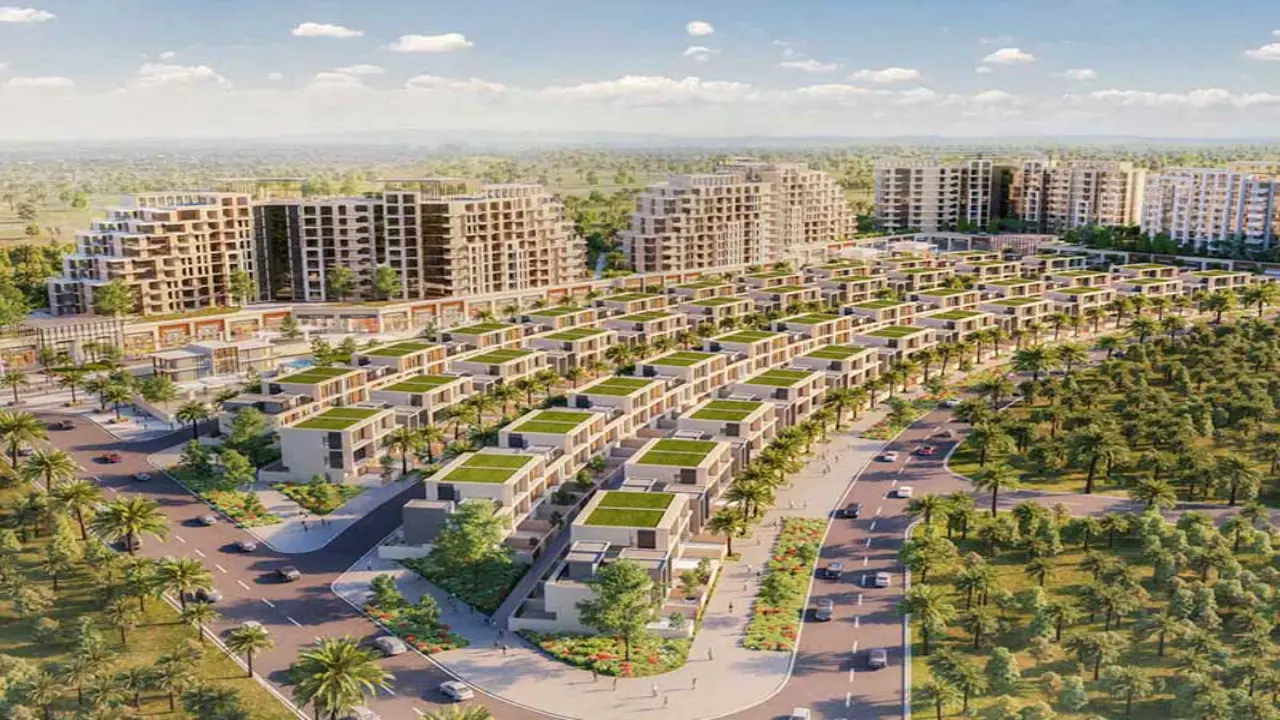
JEBEL ALI VILLAGE: DUBAI'S ESTABLISHED WESTERN CORRIDOR VILLA COMMUNITY
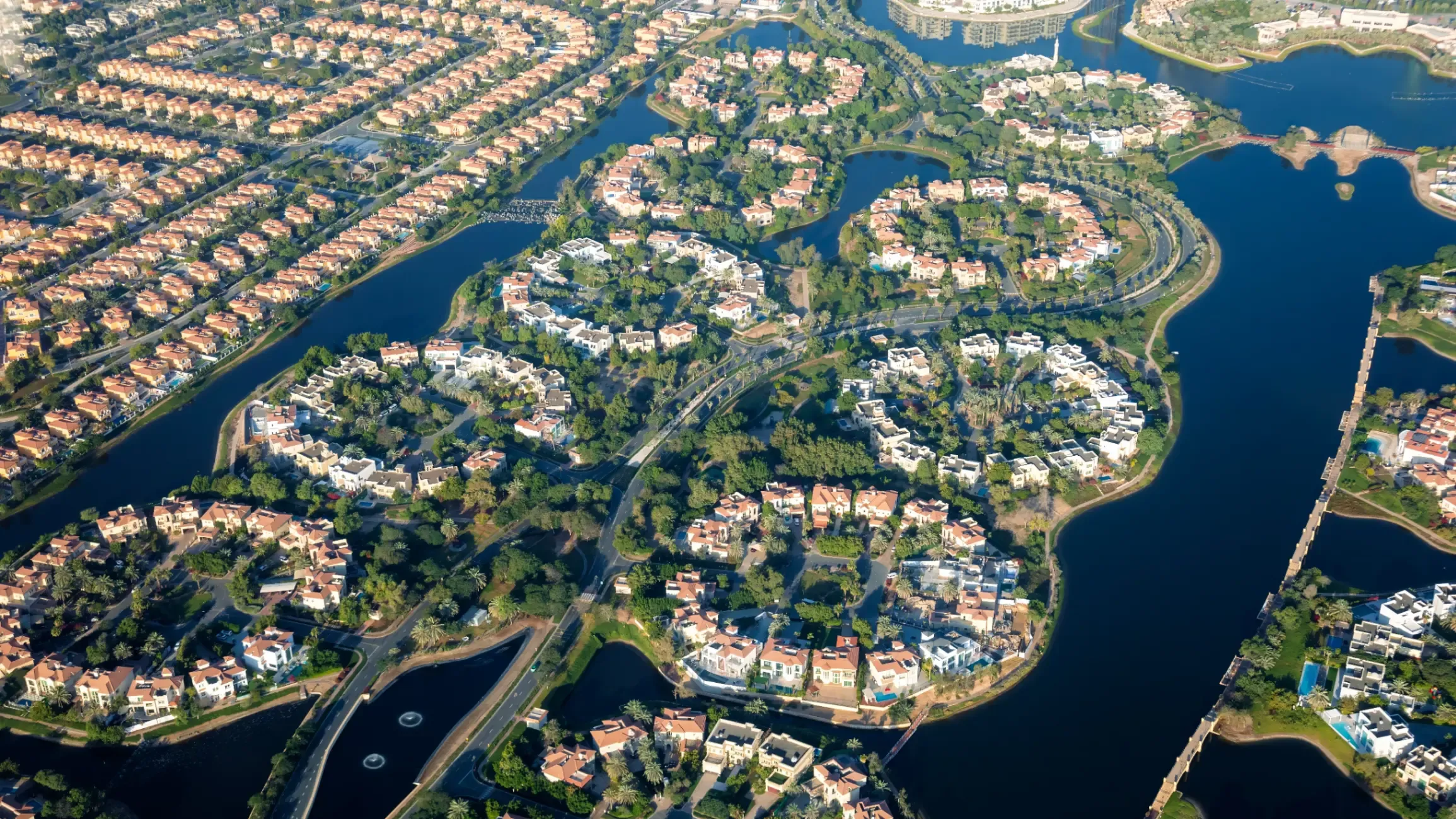
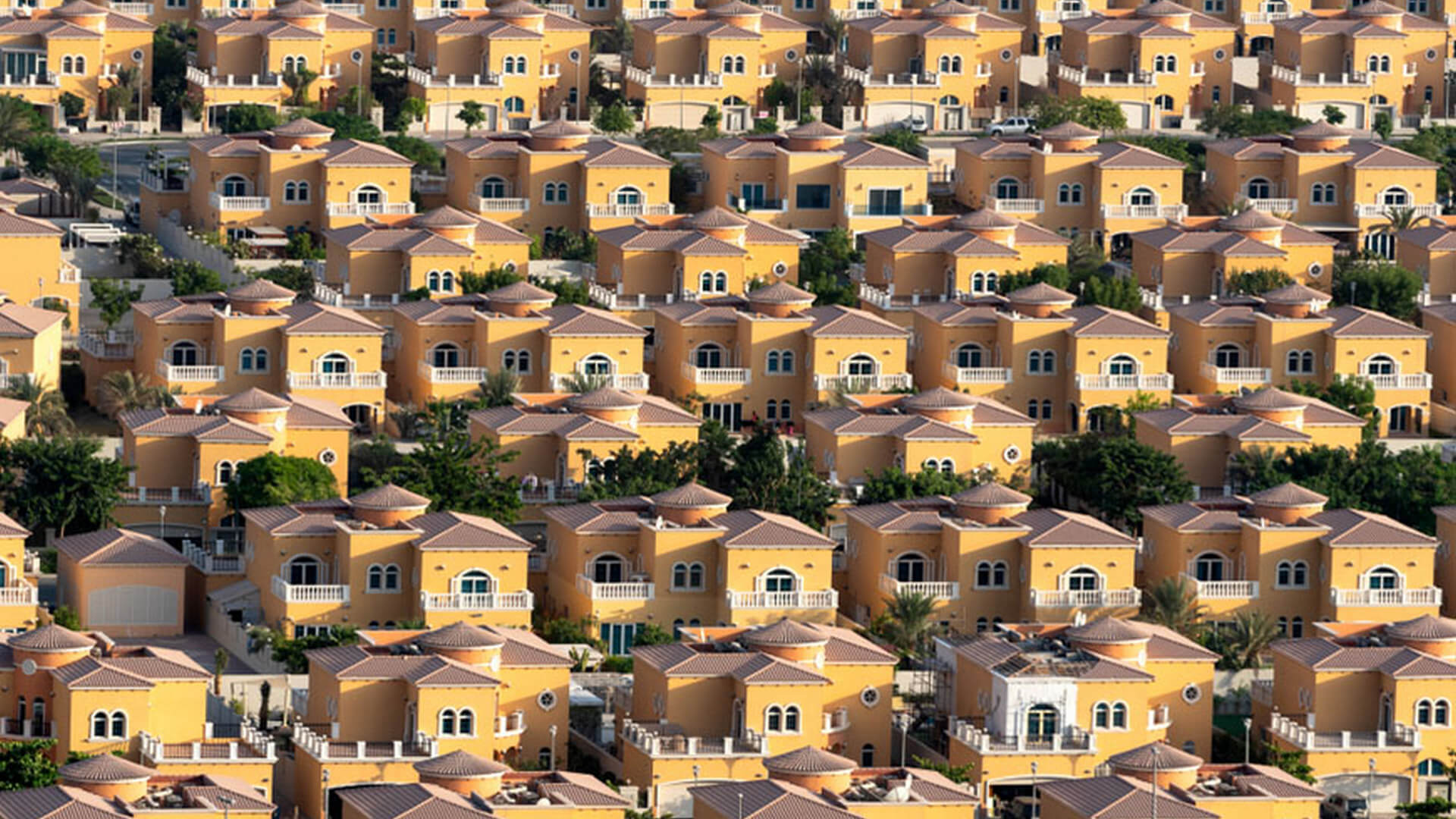
The community comprises over 1,000 villas across a low-density, landscaped residential environment that has matured into one of the most desirable villa addresses in the western half of the city, with plot sizes typically ranging from 3,000 to 8,000 square feet and villa configurations from three-bedroom to five-bedroom layouts. With an estimated population of 5,000 to 8,000 residents, the community's scale is deliberately small, creating an intimate residential enclave that contrasts sharply with the mega-communities of 20,000-plus units that dominate modern Dubai development.
For investors, Jebel Ali Village offers a capital preservation proposition anchored in structural scarcity. The villa stock is fixed and cannot be meaningfully expanded: the community is fully built out, surrounded by established infrastructure, and subject to no new development pipeline. This supply reality, combined with the persistent demand from JAFZA executives and established families, creates a pricing dynamic that is insulated from the supply-driven volatility that affects newer communities where tens of thousands of units are still in delivery. The Tier 1 – Core Capital classification reflects the community's function as a long-term wealth-preservation asset rather than a yield-maximisation vehicle, placing it alongside Emirates Hills, Palm Jumeirah and Za'abeel in portfolio terms despite its very different character and price point.
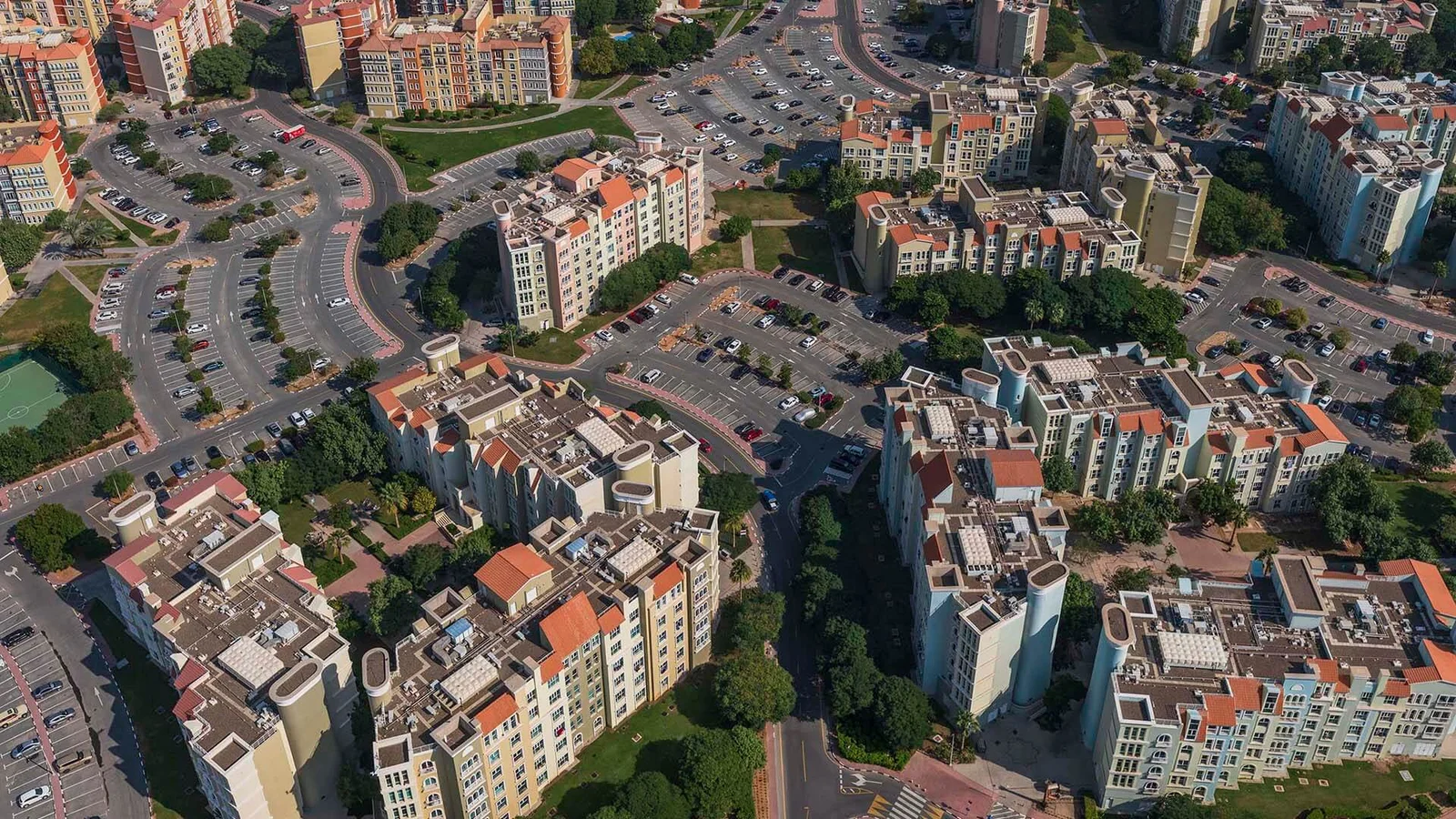
The community's infrastructure is mature and established: landscaped streets, direct Sheikh Zayed Road access, proximity to JAFZA, and schools, mosques and retail in the surrounding Jabal Ali Third district provide the essential amenity base that long-term residents require. Ibn Battuta Mall and its Metro station (Red Line) sit within the immediate vicinity, and the broader Dubai South logistics and aviation cluster anchored by Al Maktoum International Airport and Expo City Dubai provides growing employment infrastructure to the south-west. The low-density character of the community is itself an amenity — the spacious plots, mature gardens, and quiet residential streets create a living environment that cannot be replicated in modern high-density developments.
Jebel Ali Village is not a community for investors seeking yield maximisation or rapid capital growth; the 4 to 5.5 per cent gross yield is modest by Dubai mid-market standards. It is an asset for those who value scarcity, stability, and the proven institutional demand generated by proximity to one of the region's most important free zone employment centres. This guide covers the acquisition strategy for HNW end-users and scarcity-driven investors, the due diligence framework for older villa stock, the rental yield dynamics driven by JAFZA executive demand, and the portfolio construction role of this community as a western corridor anchor position.
JEBEL ALI VILLAGE: MARKET ANALYSIS AND INVESTMENT DYNAMICS
INFRASTRUCTURE AND CONNECTIVITY
Jebel Ali Village delivers gross rental yields in the range of 4 to 5.5 per cent, which is modest but reflects the community's premium positioning within the western corridor villa market. The yield performance should be contextualised against the capital preservation function of the asset: investors in Jebel Ali Village are not optimising for income but for long-term value stability and the scarcity premium that comes with owning property in a community where no new supply can enter. The rental rates — typically AED 150,000 to 300,000 per annum depending on villa size and condition — are supported by JAFZA executive tenants who value the proximity to their workplace and the quality of the residential environment, and who demonstrate low price sensitivity relative to tenants in mid-market communities. Multi-year lease terms are the norm and void rates are among the lowest in the western corridor.
RENTAL MARKET AND TENANT PROFILE
The supply story at Jebel Ali Village is the most compelling aspect of the investment case. The community is fully built out with fragmented private ownership, and there is effectively zero new development pipeline. This absolute supply constraint means that any increase in demand from JAFZA expansion, Jebel Ali Port throughput growth or wider western corridor development translates directly into pricing pressure on existing stock. Transaction volumes are low, reflecting the long-term hold mentality of existing owners who recognise the scarcity value of their assets, and well-located villas on large plots frequently trade off-market through network relationships rather than public listings.
SUPPLY DYNAMICS AND PORTFOLIO POSITIONING
The proximity to JAFZA is the fundamental demand driver for Jebel Ali Village. The free zone houses thousands of companies across logistics, manufacturing, trading and industrial sectors, and generates a continuous flow of executive-level employees who require quality villa accommodation within practical commuting distance. This institutional demand base is structurally resilient, tied to JAFZA's ongoing role as a major UAE commercial hub and the Jebel Ali Port anchor position in regional trade. The tenant profile — JAFZA executives, established expatriate families, and long-term corporate residents — is characterised by multi-year tenancies, low turnover, and a willingness to pay premium rents for the community's low-density lifestyle and proximity to the free zone workplace.
JEBEL ALI VILLAGE: INVESTMENT STRATEGY AND ENTRY POINTS
The investment strategy for Jebel Ali Village is straightforward capital preservation through scarcity. Investors should target the highest-quality available villas on the largest plots, as these properties command the strongest tenant demand and offer the greatest scarcity premium within the community. Typical entry unit pricing ranges from AED 4 to 10 million depending on plot size, villa condition and positioning within the community. The hold period should be genuinely open-ended, with an expected investment horizon of 10 to 20 years or more: this is an asset to own for decades rather than trade over cycles. The yield of 4 to 5.5 per cent gross provides adequate rental income to justify the capital allocation, but the primary return driver is the long-term appreciation of an irreplaceable asset in a fixed-supply community that cannot expand its stock regardless of demand trajectory.
Due diligence at Jebel Ali Village should focus on property condition and structural integrity, as the villa stock dates from the 1970s to 1990s and may require renovation investment of AED 500,000 to 1.5 million to bring older properties up to contemporary rental specification. The cost of refurbishment should be factored into acquisition models, but the scarcity premium ensures that well-maintained properties command strong pricing regardless of age. Title verification is particularly important given the fragmented private ownership structure, and investors should engage experienced conveyancing professionals familiar with the western corridor villa market. Service charges and community fees are typically low given the low-density layout and absence of high-end amenities such as private clubs or concierge services, but investors should budget for maintenance reserves commensurate with the older building stock to protect long-term value.
For portfolio construction, Jebel Ali Village serves as a western corridor anchor asset that complements central Dubai premium holdings in areas like Za'abeel, Emirates Hills, Palm Jumeirah or DIFC. The JAFZA demand driver provides employment-sector diversification away from the financial, tourism and government sectors that underpin central Dubai asset performance, adding logistics, manufacturing and industrial exposure to a balanced Dubai portfolio. Position sizing is typically one villa per portfolio given the AED 4 to 10 million ticket size, held alongside two to four central apartments or townhouses for geographic and sector diversification. Investors seeking a truly differentiated position within a Dubai real estate portfolio will find Jebel Ali Village's combination of historical character, supply scarcity, institutional tenant demand and fixed-supply pricing dynamics impossible to replicate in any other Dubai villa community at this capital threshold or price point.
SUPPLY DYNAMICS
Fragmented private ownership, very limited supply, fully built-out with minimal new pipeline
TENANT PROFILE
JAFZA executives, established expatriate families, long-term corporate low-density villa residents
KEY RISK FACTORS
Distance from central Dubai, older stock, limited nightlife and entertainment proximity
KEY INFRASTRUCTURE
Jebel Ali Village sits in Dubai's western corridor adjacent to the Jebel Ali Free Zone (JAFZA), with Sheikh Zayed Road (E11) running along the community's eastern edge and providing direct access to the rest of the city. The community is located within the Jabal Ali Third district, bordered by The Gardens, Discovery Gardens and Jebel Ali Industrial Area. Nearby anchors include Ibn Battuta Mall and its Metro station (Red Line), Jebel Ali Port — one of the world's busiest container ports — and the wider JAFZA which houses thousands of companies employing tens of thousands of executive-level staff. Expo City Dubai and Al Maktoum International Airport (DWC) anchor the broader Dubai South logistics and aviation cluster to the south-west. Internal amenities include landscaped streets, mature plots and gardens, schools, mosques, community retail and a low-density residential layout that sets the community apart from newer Dubai master-planned developments.
Area fundamentals
- ASSET PROFILE
- Mature low-density villa community / JAFZA workforce hub
- INVESTOR PROFILE
- HNW end-user + yield investor (JAFZA executive villas)
- TIER
- Tier 1 – Core Capital
- MARKET TYPE
- Villas, low-density, mature, JAFZA proximity
- EST. POPULATION
- ~5,000–8,000
- LAND SIZE
- ~N/A
Next step
Request a briefing
You will get Jebel Ali Village as a brief: the buildings on this page, the register readings behind them, and our view on each.