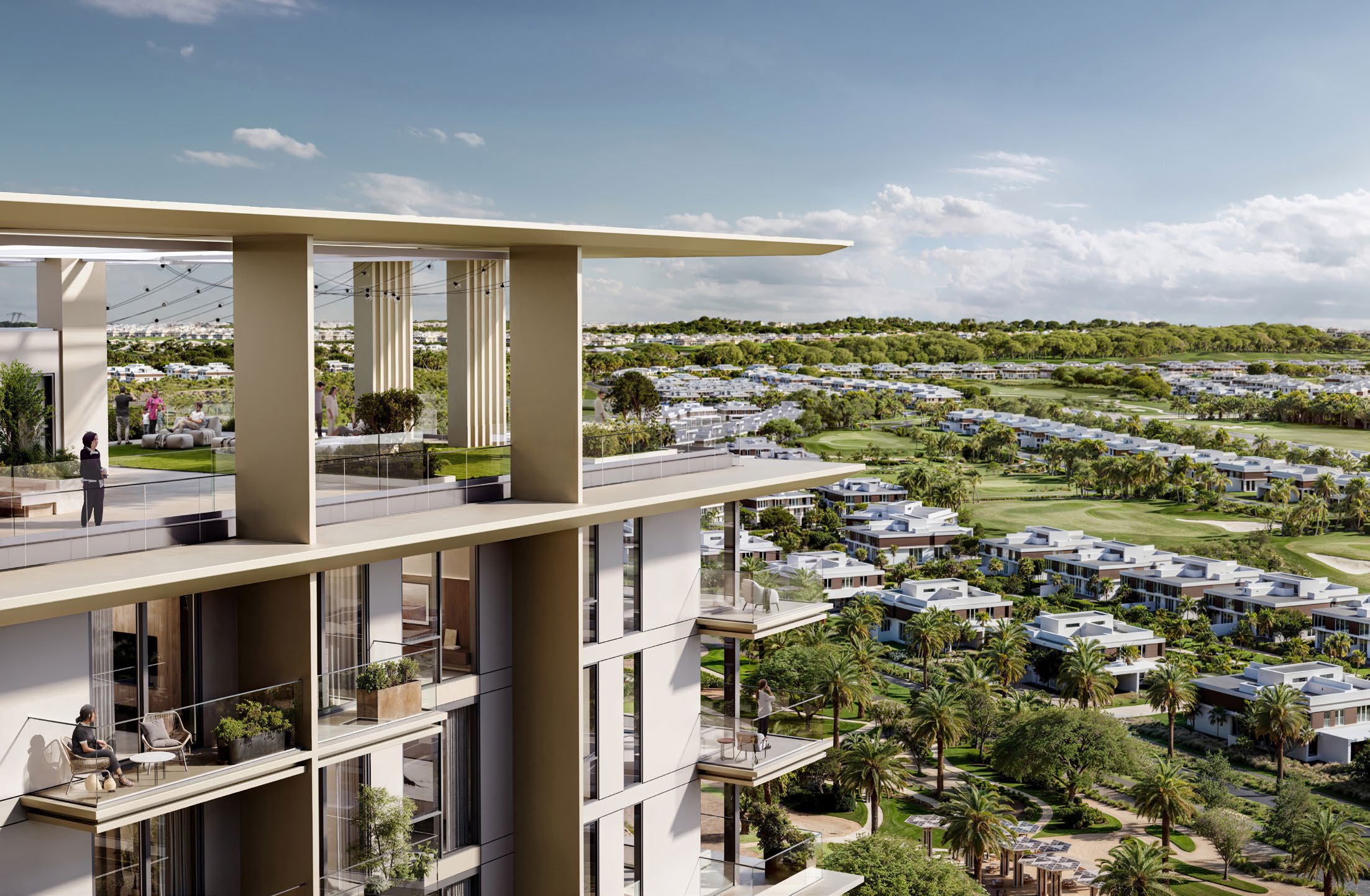
DUBAI HILLS ESTATE: EMAAR'S FLAGSHIP MASTER COMMUNITY
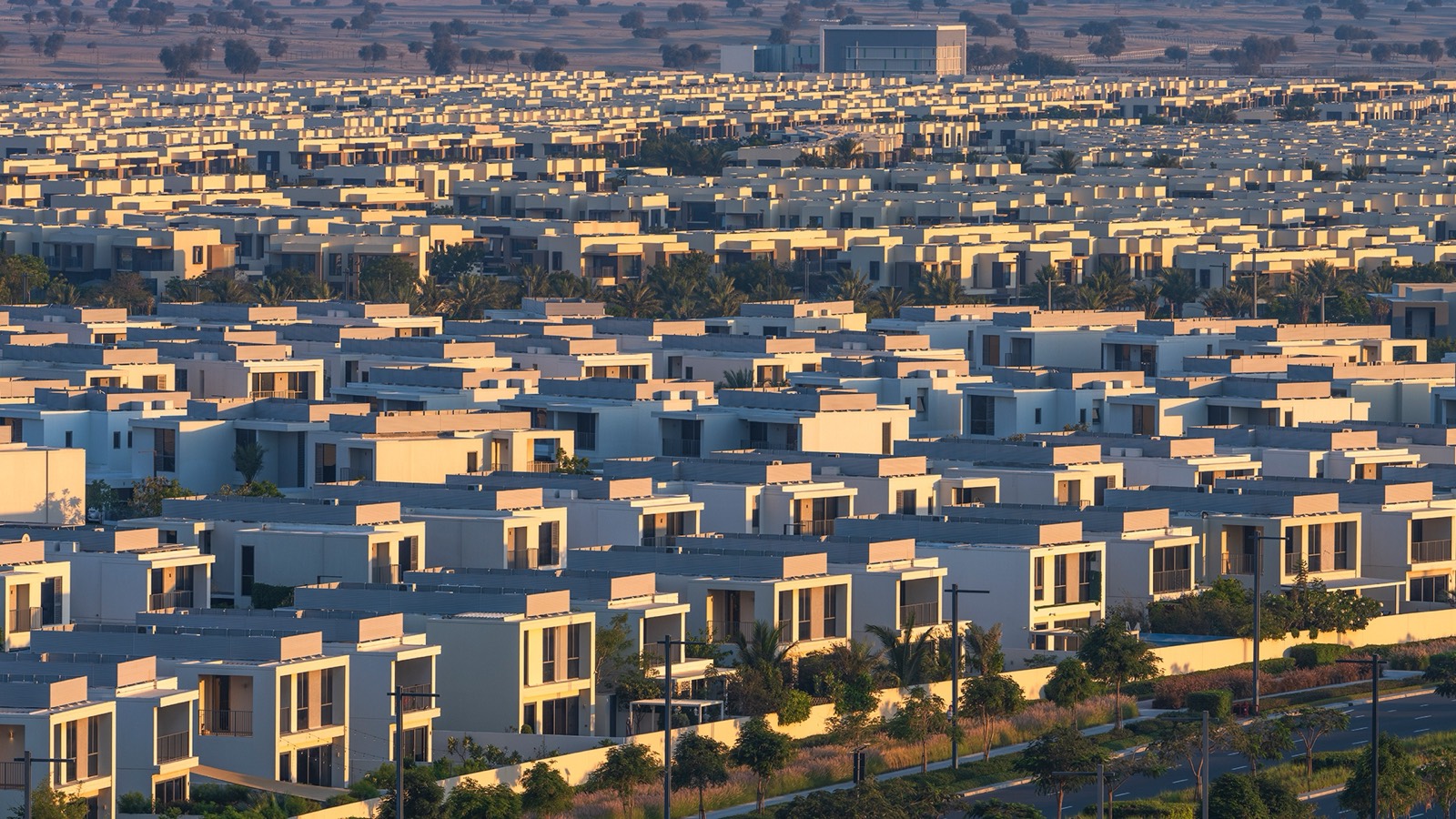
Dubai Hills Estate is not a residential building or even a cluster of towers. It is a fully realised master community — one that Emaar spent the better part of a decade planning, permitting, and delivering across approximately 11 to 13 million square metres of land in the centre of Dubai.
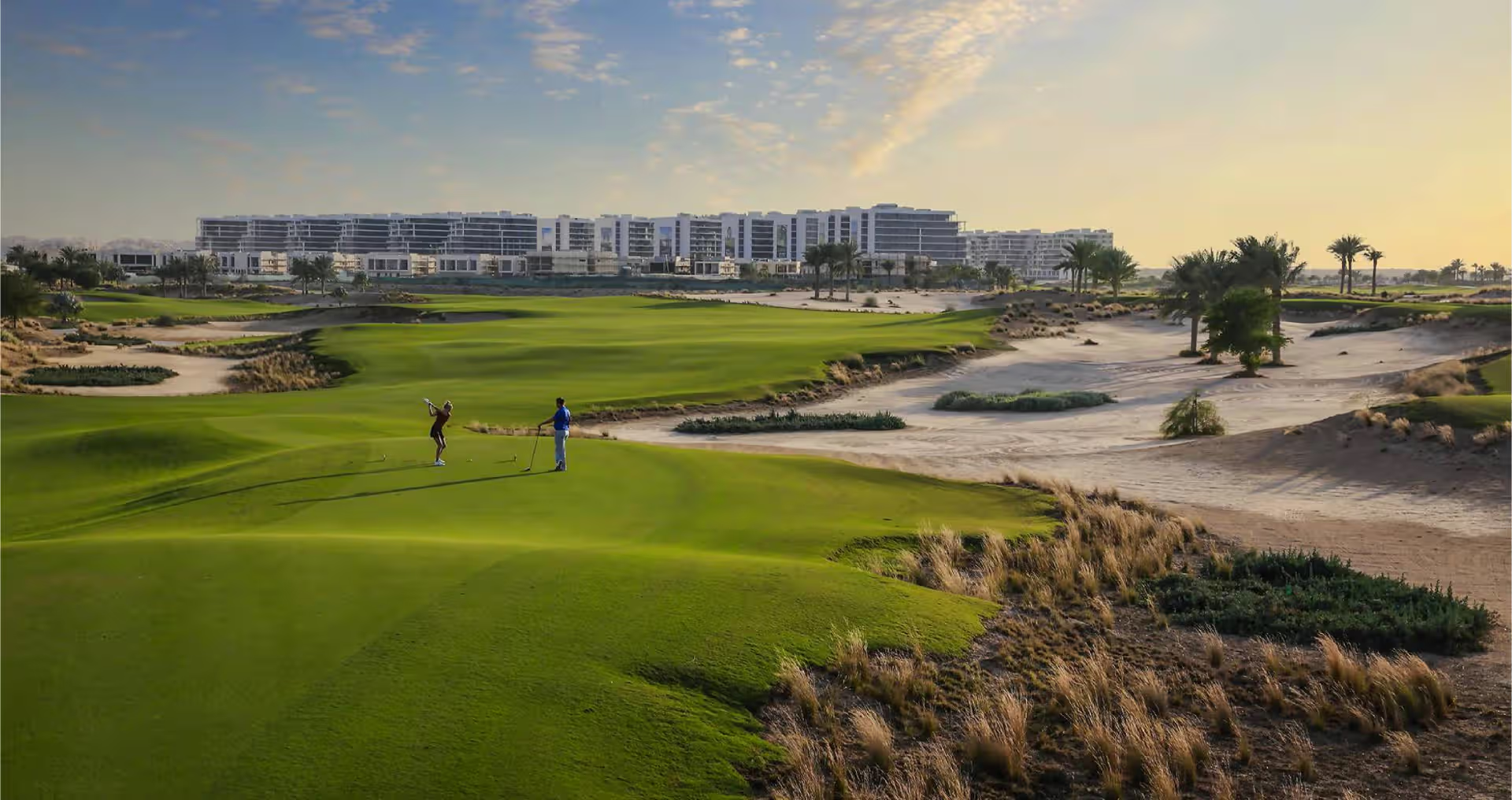
The community launched in phases from around 2014 and has progressed steadily to a point where, today, the majority of the residential stock is handed over and occupied. Emaar's approach here was deliberate: anchor the community early with the 18-hole championship Dubai Hills Golf Club, build out the retail infrastructure with Dubai Hills Mall, and deliver the residential phases in a sequence that managed supply carefully against demand. That sequenced delivery is a large part of why Dubai Hills Estate held its value through the cycles that tested other communities far more severely.
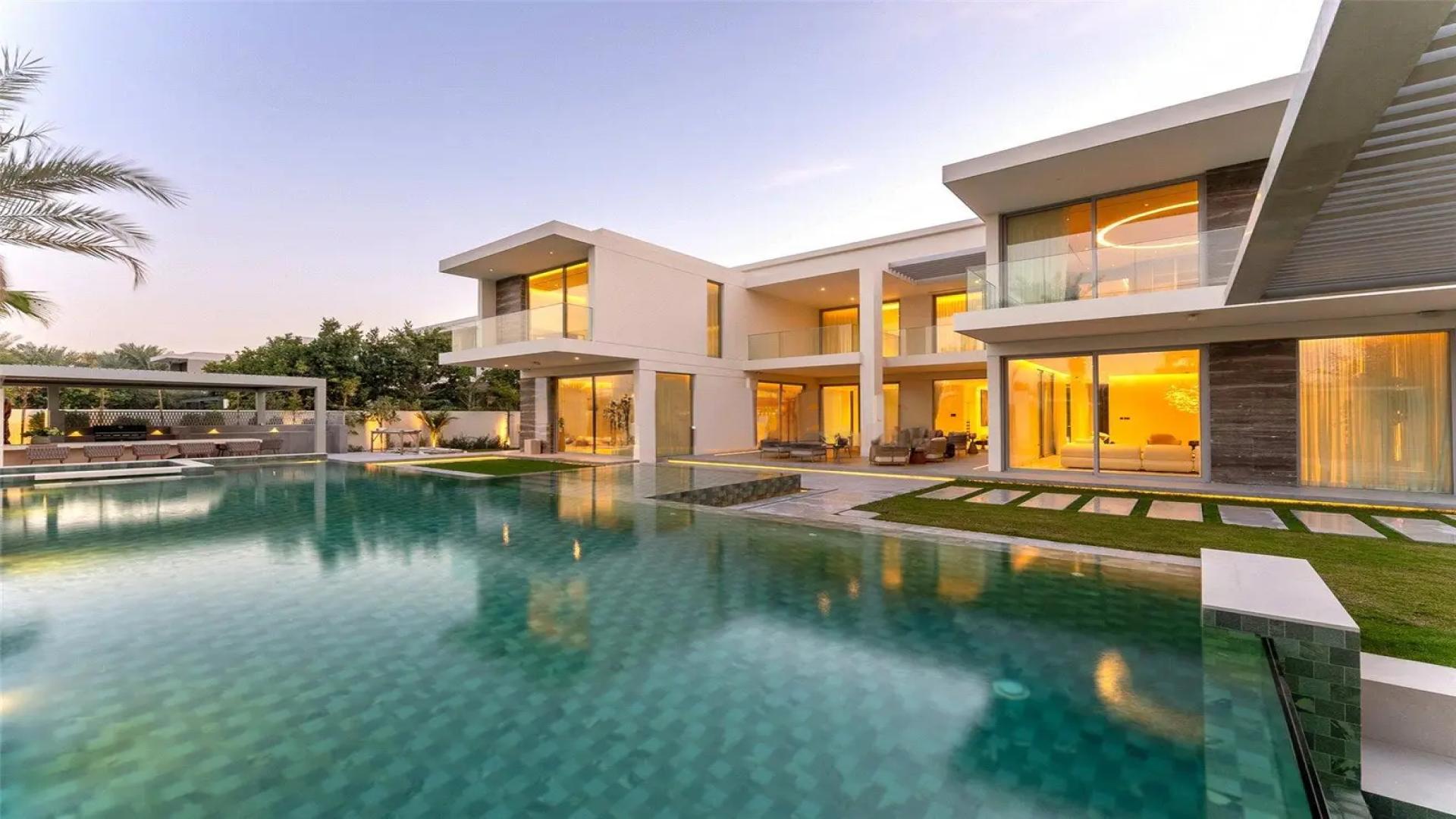
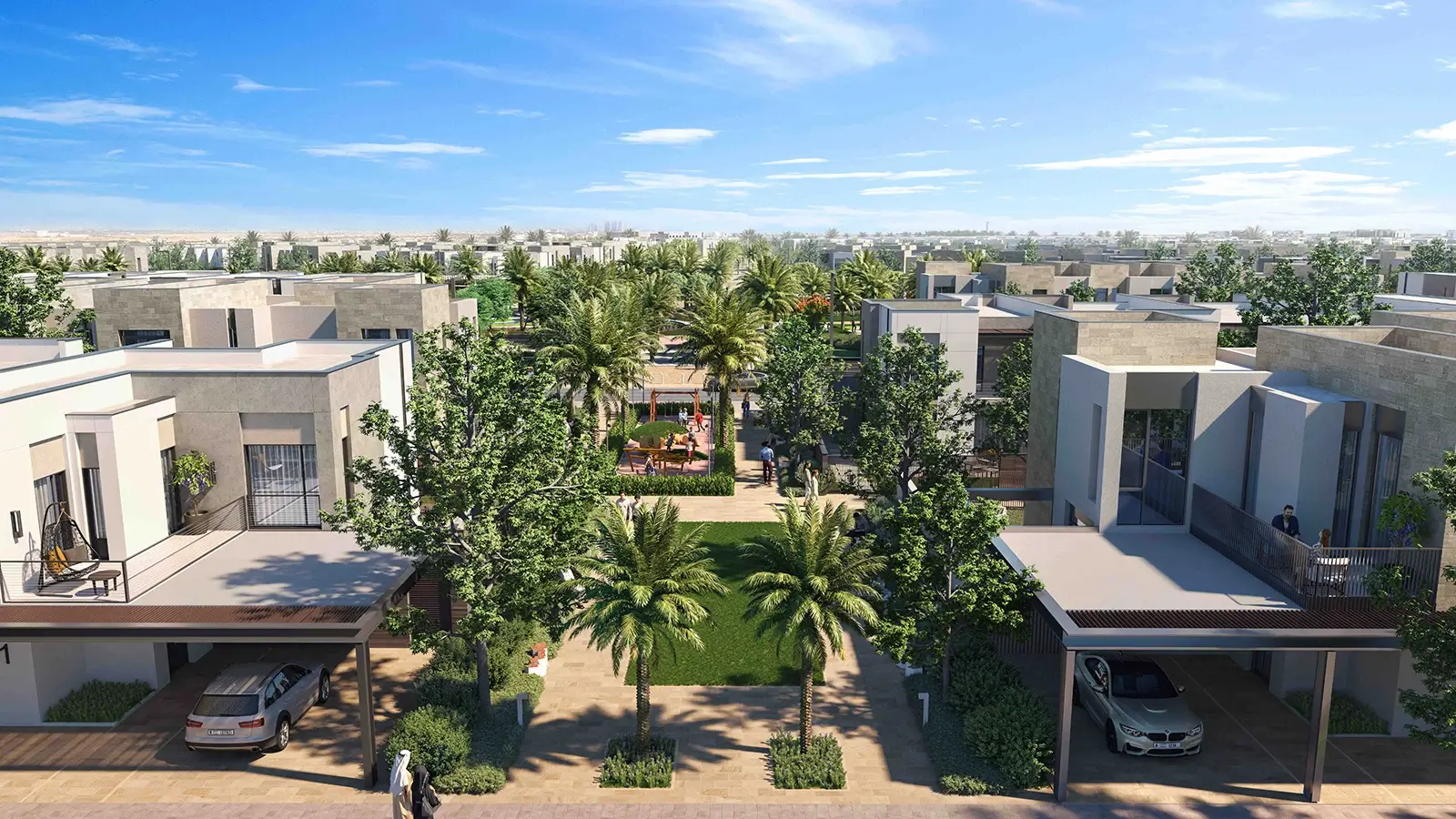
What distinguishes Dubai Hills Estate within Emaar's portfolio — and within the Dubai market more broadly — is the breadth of its product mix. The community accommodates everything from 1-bedroom apartments in Park Heights and Park Ridge to 4 and 5-bedroom villas in premium villa enclaves like Club Villas, Maple and Golf Place. That range means it serves a genuinely diverse investor profile: entry-level yield buyers targeting 2-bedroom apartments, HNW end-users seeking golf-view villas, and off-plan buyers who entered early and have seen significant capital appreciation on their initial positions.
From a price evolution perspective, Dubai Hills Estate tells a compelling story. Launch pricing for apartments in the 2016 to 2018 period ranged broadly from AED 900 to AED 1,200 per square foot. By the mid-2020s, secondary market pricing had moved materially above that range across most product categories, with premium villa plots and golf-front positions trading at levels that would have seemed optimistic at launch. The combination of Emaar brand credibility, genuine community infrastructure, and the centrality of the location — positioned on Al Khail Road with direct access to both Downtown Dubai and the Emirates Hills corridor — has made this one of the most consistently well-performing master communities in the market.
The total community is planned for approximately 20,000 or more residential units across a mix of apartments and villas, with a resident population that will eventually reach into the tens of thousands. Dubai Hills Park — one of the largest parks in the city — forms the green spine of the community. Dubai Hills Mall provides the anchor retail and leisure destination. The golf course provides both lifestyle amenity and a view premium that influences pricing across a substantial portion of the villa stock.
For investors approaching this community for the first time, the key question is not whether Dubai Hills Estate is a sound investment — the community has already proven that. The question is which segment, at what entry point, and with what return objective. I explore each of those dimensions in the analysis and strategy sections below.
DUBAI HILLS ESTATE: MARKET ANALYSIS AND INVESTMENT DYNAMICS
INFRASTRUCTURE AND CONNECTIVITY
The infrastructure story at Dubai Hills Estate is one of the strongest in the Dubai market. The community is anchored by Al Khail Road, one of Dubai's principal arterial routes, which delivers efficient connectivity to both the Downtown Dubai and Business Bay corridor to the north-east, and to the Emirates Hills and Dubai Marina catchment to the north-west. Journey times to Dubai International Airport run at approximately 20 to 25 minutes in normal traffic. Within the community, Dubai Hills Mall provides a major retail and entertainment anchor with over 600 stores and a strong F&B offering. Dubai Hills Park delivers one of the most significant green amenity spaces of any master community in Dubai. The 18-hole Dubai Hills Golf Club forms the visual and lifestyle centrepiece of the villa zones. A growing network of schools — including GEMS schools and Kings' School within the community — supports the family demographic that accounts for a large share of the rental demand. Metro connectivity is planned via the Route 2020 extension.
RENTAL MARKET AND TENANT PROFILE
The rental market at Dubai Hills Estate serves a predominantly professional and family demographic. Two and 3-bedroom apartments attract young families and dual-income professional couples, while the villa stock draws established families seeking long-term lease arrangements. Rental yields typically range from 5 to 7 per cent gross for apartments, with villa yields at the lower end of that range — reflecting the premium capital values that villa buyers have paid in recent years. The community's maturity has pushed villa values up materially, compressing yields somewhat for new entrants, while apartments continue to offer relatively competitive returns given the volume of demand. Tenant retention is strong across both apartment and villa segments, with Emaar's community management and the on-site amenity density creating a self-reinforcing cycle of family tenant demand.
SUPPLY DYNAMICS AND PORTFOLIO POSITIONING
Supply dynamics within the community are relatively well-managed compared to many Dubai master communities. Emaar has not flooded the market with phased villa releases, and new apartment supply, while present, is being absorbed at a pace that has kept vacancy rates low. The secondary market for villas in particular is characterised by high retention — owners who bought early and have seen significant appreciation tend to hold rather than sell at current market pricing, keeping available supply tight. This dynamic is supportive of both rental rates and capital values across the mid-term horizon. For portfolio positioning purposes, Dubai Hills Estate sits comfortably in the Tier 1 Core Capital category. It is not a speculative play — the community has matured past the point where early-stage capital growth multiples are available. What it offers instead is stable, high-quality, long-duration returns with a high degree of liquidity compared to more niche luxury assets. Emaar's brand maintains a resale floor that few other developers can replicate, and the breadth of the product mix means there is always a buyer profile for available stock.
DUBAI HILLS ESTATE: INVESTMENT STRATEGY AND ENTRY POINTS
The right entry point depends entirely on your investment objective. For yield-focused investors, 2-bedroom apartments in the Park Heights and Park Ridge clusters continue to represent the strongest balance of capital cost and rental income. Gross yields in the 5.5 to 7 per cent range are achievable on well-selected units, and tenant demand is consistent year-round from professional families who prioritise the community's school catchment and lifestyle infrastructure. Building and cluster selection matters here — newer Emaar releases in Park Field and Park Horizon carry design and amenity advantages over earlier Park Heights phases, but pricing reflects that differential.
For capital growth investors, the villa segment — particularly golf-view positions in Golf Place and Club Villas — offers the most compelling long-term appreciation case. These are illiquid in the sense that individual transactions take time to complete, but the scarcity of golf-front inventory within a Tier 1 Emaar community creates a structural supply constraint that supports pricing. Buyers entering at current secondary market levels need to take a minimum 5-year view to allow the capital appreciation story to fully play out. Villa segment liquidity is thinner than apartment liquidity, so exit timing flexibility should be priced into the hold strategy.
A complementary diversification strategy is to pair a Dubai Hills Estate position with a Tier 2 Yield & Volume income asset in Jumeirah Lake Towers or The Greens, and a Tier 3 Growth position in Dubai South, Dubai Creek Harbour or Expo City. Dubai Hills Estate provides the master-planned Tier 1 capital-and-family leg of a three-tier Dubai portfolio, with the Tier 2 apartment supplementing cashflow and the Tier 3 leg providing long-duration growth upside. For investors seeking alternative Tier 1 exposure with different character, Emirates Hills offers ultra-luxury villa enclave exclusivity, Palm Jumeirah delivers trophy beachfront lifestyle and Downtown Dubai provides global brand recognition at similar or higher capital commitment levels.
If you are considering Dubai Hills Estate, the key is not deciding whether the area works — it clearly does. The decision is about product type, sub-cluster selection and timing relative to your capital deployment horizon. A 2-bedroom apartment in Park Heights acquired at the right price is a very different investment to a Golf Place villa acquired at the top of a price cycle. Both can work; neither works without the discipline to understand what you are buying and why, typically suiting portfolios at the AED 1,500,000–15,000,000 capital commitment level depending on product segment.
SUPPLY DYNAMICS
Emaar master developer, phased delivery, ~60% delivered 2024, controlled releases support pricing
TENANT PROFILE
Affluent families, corporate executives, long-stay professionals, owner-occupier and long-term
KEY RISK FACTORS
Premium pricing limits entry yields, villa illiquidity, metro timeline, off-plan competition
KEY INFRASTRUCTURE
Dubai Hills Estate sits along Al Khail Road (E44) in central Dubai, with arterial access to Sheikh Zayed Road (E11) and Umm Suqeim Road (D63) connecting to Downtown Dubai, Business Bay, DIFC, Dubai Marina and Mall of the Emirates. Metro connectivity is planned via the Route 2020 extension. The community is internally anchored by the 18-hole Dubai Hills Golf Club, Dubai Hills Mall (600+ stores), Dubai Hills Park (one of the largest urban parks in the city), Kings' School Dubai, GEMS Wellington Academy, Mediclinic Park View hospital, community swimming pools, tennis courts, cycling tracks and landscaped green corridors across Park Heights, Park Ridge, Sidra, Maple, Golf Place and Club Villas sub-communities. Nearby external anchors include Downtown Dubai, Mall of the Emirates and Al Barari. Adjacent communities include Al Barari, Business Bay and Jumeirah Village Circle, reinforcing Dubai Hills Estate's positioning as Dubai's flagship golf-anchored master community.
Area fundamentals
- ASSET PROFILE
- Emaar master-planned golf and lifestyle capital anchor
- INVESTOR PROFILE
- HNW family end-user + yield investor (apartments)
- TIER
- Tier 1 – Core Capital
- MARKET TYPE
- Premium, apartments and villas, master-planned golf
- EST. POPULATION
- ~70,000–90,000
- LAND SIZE
- ~129.2m sq ft
Next step
Request a briefing
You will get Dubai Hills Estate as a brief: the buildings on this page, the register readings behind them, and our view on each.