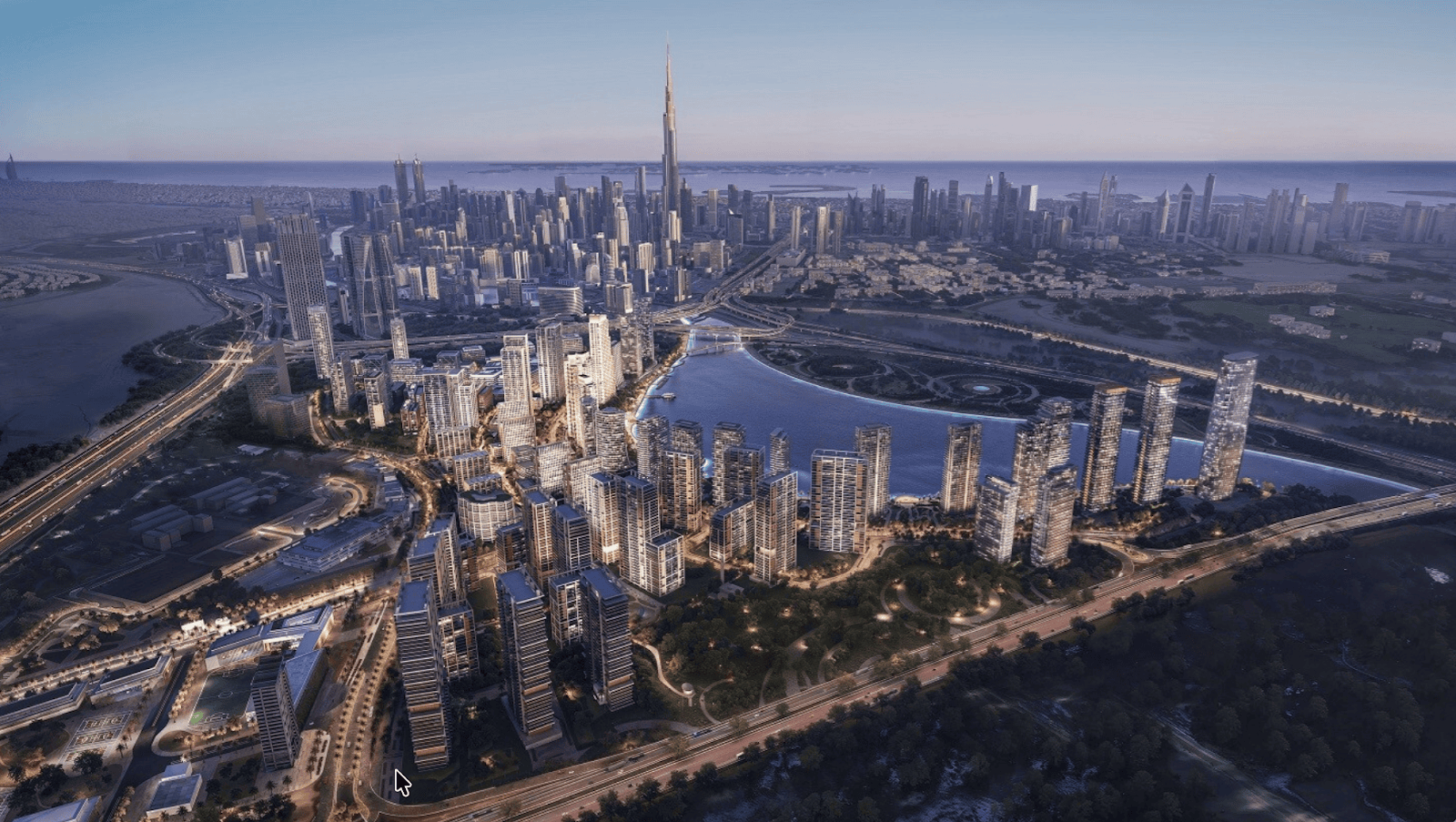
DUBAI DESIGN DISTRICT (D3): TECOM'S CREATIVE BUSINESS DISTRICT TRANSITIONING TO MIXED-USE
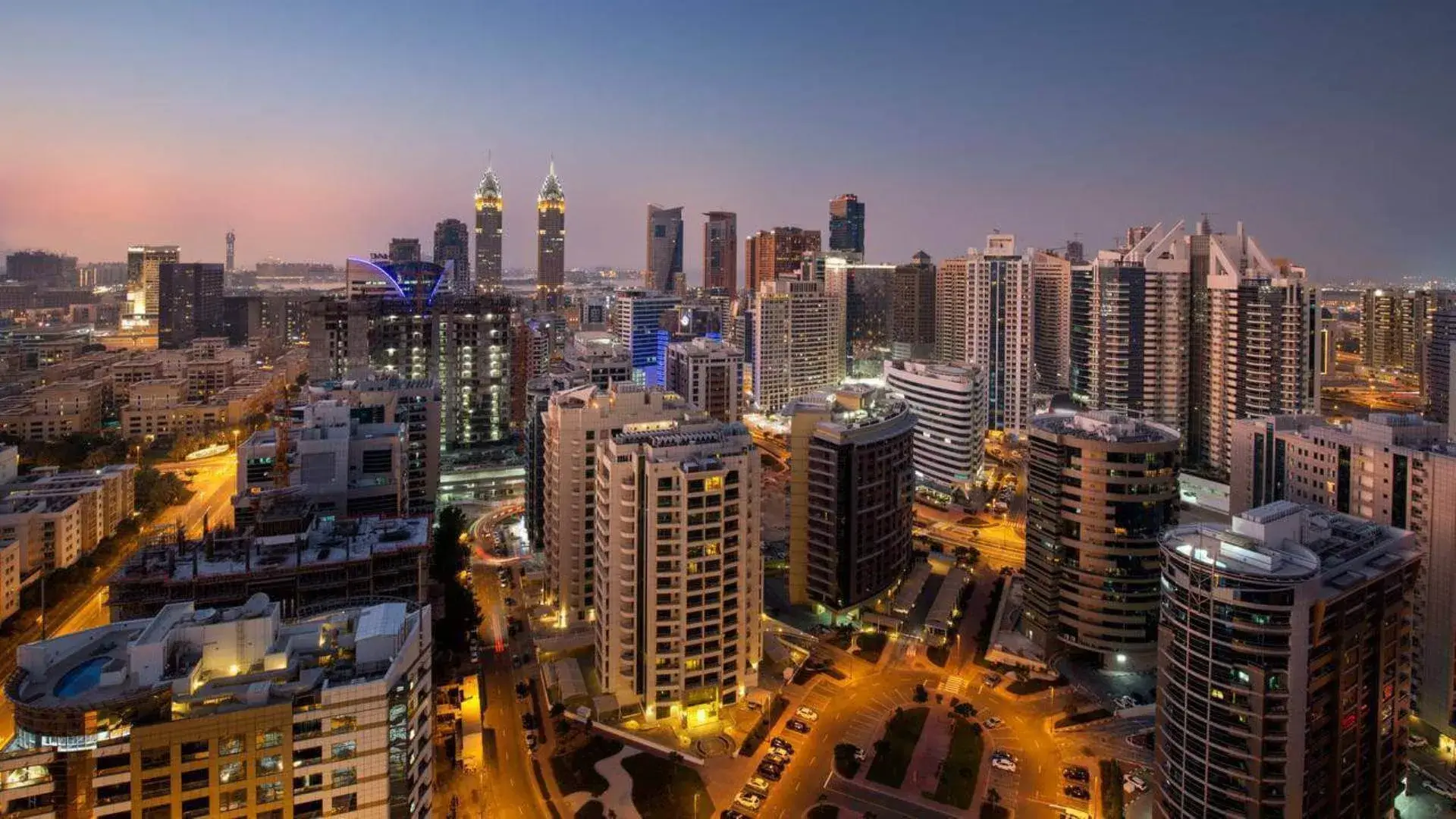
The district hosts Dubai Design Week, Dubai Fashion Week and Sole DXB as anchor cultural events, and has established itself as the structural anchor of Dubai's creative economy alongside the d3-adjacent Alserkal Avenue and the wider government innovation cluster.
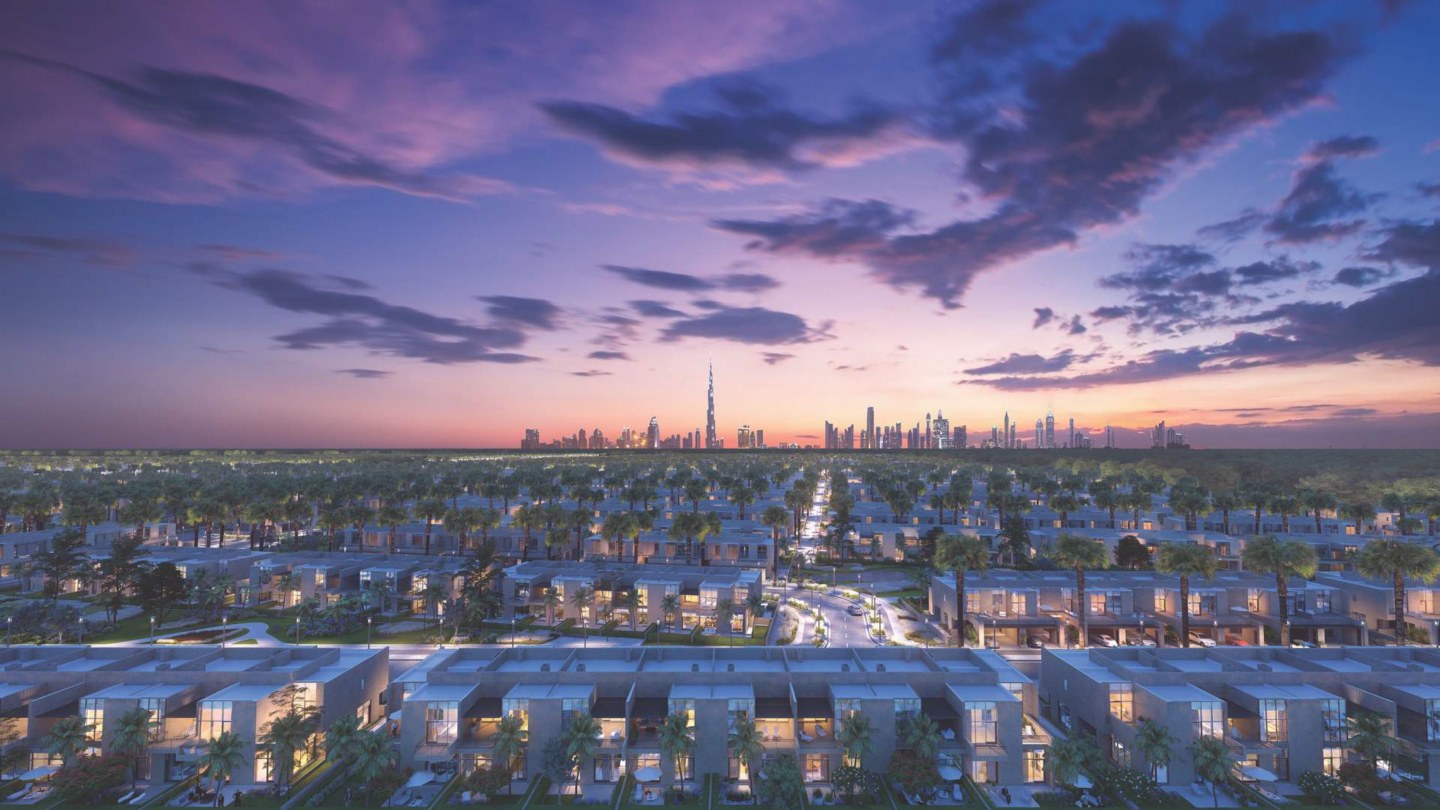
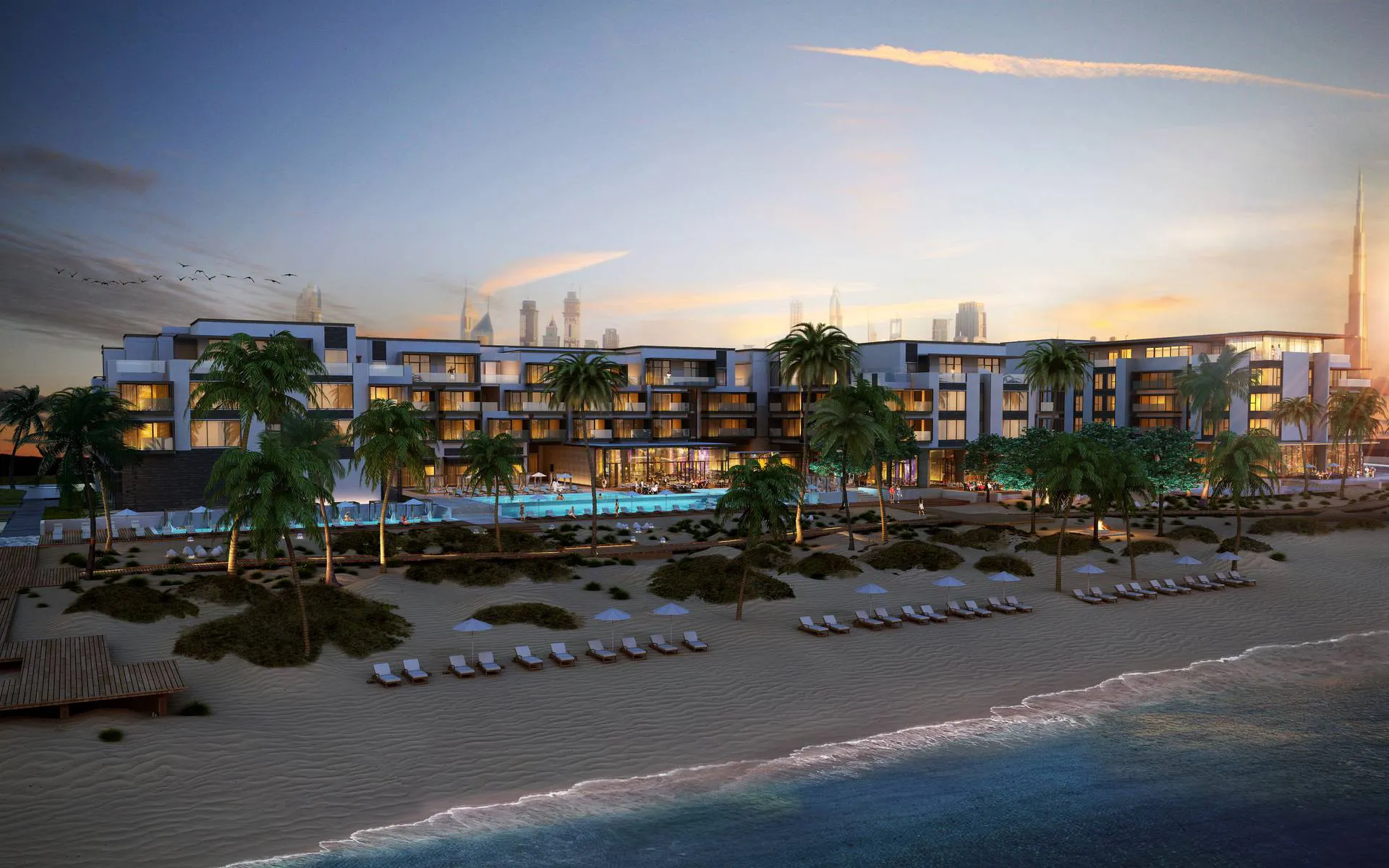
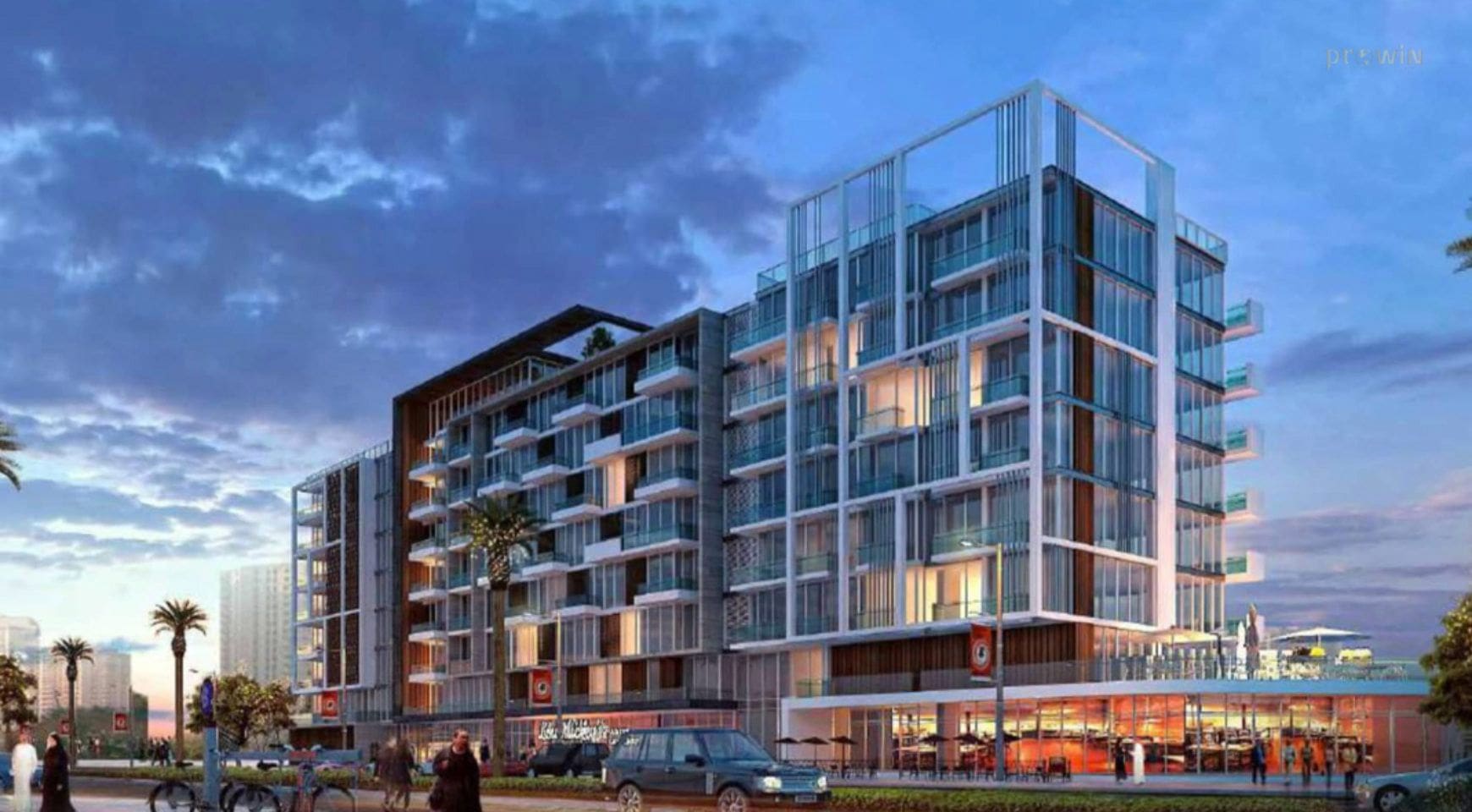
The strategic shift came in January 2026 when Meraas officially launched an expanded residential masterplan for d3, intended to transform the district into a waterfront neighbourhood integrating residential, cultural, retail and hospitality uses. The Meraas-led residential expansion covers 18 million square feet and targets LEED Silver community certification, with measures for sustainable mobility, enhanced connectivity, energy-efficient design and integration with natural landscapes. The transition from commercial-only to mixed-use repositions d3 from a TECOM business district into a Meraas residential-and-creative destination similar to City Walk and La Mer in product configuration.
The investment thesis here is exposure to a creative-business district in transition to mixed-use residential, with structural advantages in the established cultural-event programming — Dubai Design Week, Dubai Fashion Week, Sole DXB — the proximity to Downtown Dubai at 2.5 kilometres and DIFC at 3.3 kilometres, and the Meraas master-developer track record at City Walk, La Mer, Bluewaters and Pearl Jumeirah. The trade-off is the still-emerging residential identity (compared to the established Sobha Hartland and Azizi Riviera neighbours), the pre-construction status of the residential expansion, and the commercial-vs-residential tension that may compress residential premium expectations during the transition period.
The original 2015 TECOM-developed commercial precinct continues to operate as a designer-and-creative business hub with global brand headquarters and design showrooms. The new Meraas residential masterplan launched in January 2026 has not yet released individual sub-developer launches or per-square-foot pricing benchmarks — investors entering during this transition window are taking exposure to the masterplan thesis rather than to specific sub-developer products that will emerge over the coming launch cycles. The Dubai Creek waterfront integration is the differentiated structural feature that distinguishes d3 from City Walk and other Meraas urban-creative product, and is expected to anchor the residential lifestyle proposition once the masterplan delivery sequence begins.
This guide covers the relative-value case for d3 against City Walk (the proven sister Meraas urban-creative product), Sobha Hartland and Azizi Riviera in the adjacent MBR City lagoon cluster, and Business Bay or DIFC for the wider Downtown-adjacent creative-and-commercial comparator set; the supply outlook in a Meraas-led residential expansion sequence; and the entry strategy across the emerging residential pipeline once sub-developer launches begin. Expect a clear-eyed view of the structural creative-economy tailwind and the pre-construction residential risk profile.
DUBAI DESIGN DISTRICT (D3): MARKET ANALYSIS AND INVESTMENT DYNAMICS
INFRASTRUCTURE AND CONNECTIVITY
Dubai Design District sits between the Dubai Creek and Downtown Dubai with arterial connection to Sheikh Zayed Road and Al Khail Road providing direct access to Downtown (2.5 kilometres), Business Bay (3 kilometres) and DIFC (3.3 kilometres). The original TECOM-developed precinct integrates offices, showrooms, retail and hospitality designed specifically for design, fashion and architecture firms; the planned Meraas residential expansion adds an 18-million-square-foot waterfront masterplan with LEED Silver community certification target, sustainable mobility, energy-efficient design and integration with natural landscapes. Adjacent communities include Sobha Hartland at 1.6 kilometres, Azizi Riviera at 2.1 kilometres, District One at 3.1 kilometres and the wider MBR City and Meydan corridor — placing d3 at the structural intersection of Dubai's design economy, the MBR City lagoon and luxury cluster, and the Downtown commercial core. The Dubai Creek waterfront will form the primary natural-amenity feature of the new residential masterplan.
RENTAL MARKET AND TENANT PROFILE
There is no residential rental market in Dubai Design District at present because the residential expansion is at planning stage following the January 2026 Meraas launch. The future tenant profile, when first residential handovers begin from the late 2020s onwards, will mirror the wider City Walk and Sobha Hartland creative-economy cluster: design and fashion industry professionals working at d3's commercial precinct, expatriate executives at DIFC and Downtown, lifestyle tenants drawn to the cultural-event programming and creative-economy positioning, and hospitality and retail operators serving the wider d3 cultural anchor. Investors should expect gross yields broadly in line with City Walk at first handover (4 to 5 per cent on apartment stock), with the actual achieved yield depending on the specific sub-developer product specification and the broader Downtown-adjacent supply pulse through 2027 to 2030. Pre-construction liquidity does not yet exist on residential inventory.
SUPPLY DYNAMICS AND PORTFOLIO POSITIONING
Supply is defined by the original 2015-completed TECOM commercial-and-retail precinct (offices, showrooms, retail, hotels) plus the new Meraas-led 18-million-square-foot residential expansion launched January 2026. Sub-developer launches within the residential masterplan have not yet occurred at scale; the active inventory is currently the established commercial precinct. The residential masterplan targets LEED Silver community certification, with phased delivery expected through the late 2020s and early 2030s. For a Dubai growth portfolio, d3 pairs naturally with positions in City Walk (the proven sister Meraas urban-creative product), Sobha Hartland (the adjacent MBR City comparator), or Business Bay and Downtown Dubai for diversified Downtown-adjacent exposure across creative-economy, financial and tourism segments.
DUBAI DESIGN DISTRICT (D3): INVESTMENT STRATEGY AND ENTRY POINTS
The cleanest entry strategy in Dubai Design District is to wait for the first Meraas-led residential sub-developer launches following the January 2026 masterplan announcement. The 18-million-square-foot residential expansion is at planning stage as of April 2026, and individual sub-developer launches are expected to roll out through 2026 and 2027. Investors with capital ready and patience can position to enter the earliest launch wave, taking first-launch pricing on a creative-economy waterfront masterplan with structural Downtown adjacency and Meraas operational track record at City Walk, La Mer and Pearl Jumeirah. The thesis is straightforward: secure first-launch residential exposure at the earliest pricing within the d3 expansion, hold through the masterplan delivery cycle, and benefit from the post-handover absorption as d3 transitions from commercial-only TECOM precinct to mixed-use Meraas creative-residential destination.
A differentiated second strategy targets the existing TECOM commercial precinct for investors comfortable with office, showroom or hospitality investment rather than residential. The 2015-completed commercial product runs across offices designed for design firms, showrooms for global luxury brands, retail and hospitality operators serving the creative-economy event calendar (Dubai Design Week, Dubai Fashion Week, Sole DXB). Commercial yields tend to be higher than residential alternatives but require specialist operational underwriting that residential investment does not.
The risks are structural and worth pricing in. Pre-construction residential risk applies to the entire Meraas-led expansion; investors should monitor sub-developer launches, construction milestones and infrastructure delivery quarterly through 2026 and 2027. Commercial-vs-residential identity tension is real — d3's established creative-economy commercial brand may not translate seamlessly into residential premium pricing, and investors should price residential entry at conservative comparable benchmarks (Sobha Hartland, City Walk) rather than aspirational Downtown Dubai or DIFC pricing. The broader Downtown and MBR City supply pulse running through 2030 will compress fresh-launch pricing across the wider cluster, with implications for d3 secondary values.
Within a Dubai residential portfolio, Dubai Design District plays the Tier 3 Growth & Emerging role at the creative-economy mixed-use level, with capital appreciation as the headline objective and yield as a secondary consideration emerging from late 2020s residential handovers. It is not a Tier 1 capital-preservation anchor and it is not a yield grab. It is a long-horizon growth allocation for an investor deploying between AED 1.5 million and AED 5 million in apartment exposure once sub-developer launches commence, alongside complementary positions in City Walk (the proven sister product), Sobha Hartland or Downtown Dubai for diversified creative-and-commercial portfolio balance.
SUPPLY DYNAMICS
Original 2015 commercial-and-retail district plus Meraas Jan 2026 residential expansion.
TENANT PROFILE
Creative-economy professionals, design firm employees, future residents, hospitality operators.
KEY RISK FACTORS
Pre-construction residential risk, commercial-vs-residential identity tension, supply pulse.
KEY INFRASTRUCTURE
Dubai Design District (d3) sits between the Dubai Creek and Downtown Dubai with arterial connection to Sheikh Zayed Road and Al Khail Road. The original TECOM-developed precinct delivered offices, showrooms, retail and hospitality designed for design, fashion and architecture firms, and hosts Dubai Design Week, Dubai Fashion Week and Sole DXB as anchor events. The January 2026 Meraas-launched residential expansion adds 18 million square feet of mixed-use development targeting LEED Silver community certification with sustainable mobility, energy-efficient design and integration with natural landscapes. Adjacent communities include Sobha Hartland at 1.6 kilometres, Azizi Riviera at 2.1 kilometres, Downtown Dubai at 2.5 kilometres, Business Bay at 3 kilometres, District One at 3.1 kilometres and DIFC at 3.3 kilometres — placing d3 at the structural intersection of Dubai's design economy, MBR City lagoon cluster and the Downtown commercial core.
Area fundamentals
- ASSET PROFILE
- Creative-business district transitioning to mixed-use
- INVESTOR PROFILE
- Off-plan growth investors + creative-economy stakeholders
- TIER
- Tier 3 – Growth & Emerging
- MARKET TYPE
- Commercial, retail, hospitality + new residential masterplan
- EST. POPULATION
- ~50,000–60,000 (projected)
- LAND SIZE
- ~18m sq ft
Next step
Request a briefing
You will get Dubai Design District as a brief: the buildings on this page, the register readings behind them, and our view on each.