
Aurora Tower is a freehold commercial office building within the Dubai Internet City (DIC) free zone, one of the TECOM-managed technology districts along the Sheikh Zayed Road corridor. The building serves DIC's established technology and knowledge-sector occupier base, providing freehold office accommodation within the TECOM free zone licensing framework. Tenants benefit from the DIC operating licence infrastructure and the complementary commercial ecosystem of the adjoining Dubai Media City and Al Barsha Heights districts. The building is suited to small and mid-size technology and IT services businesses seeking a recognised DIC free zone address at a cost-competitive occupancy cost relative to premium submarkets such as DIFC.
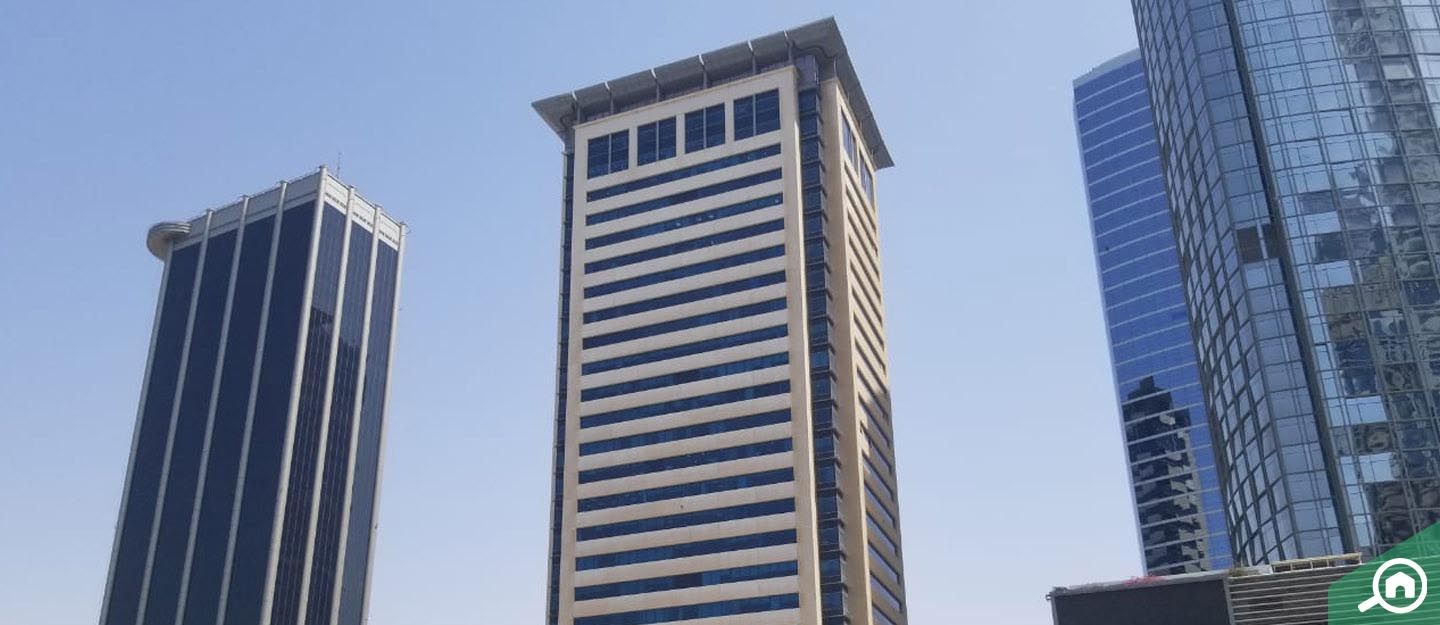
Dubai Internet City · Office
Aurora Tower
Freehold offices in the TECOM free zone, adjacent to Dubai Media City.
- Ownership
- Freehold
Commercial Building
Overview
Office stock
Aurora Tower offers freehold office floors with unit configurations catering to the small and mid-size occupier profile typical of the DIC submarket. Individual units can accommodate startups, technology consultancies, and SMEs requiring modest footprints within the TECOM free zone framework. The tenant profile aligns closely with the DIC licensing remit: information technology companies, software development firms, digital media businesses, and regional subsidiaries of global technology multinationals. Occupier demand within DIC has historically been stable given the licensing advantages and cluster concentration of peer businesses. Multi-tenanted floors are common in freehold building of this type, with occupier fragmentation a characteristic of the multi-owner structure.
Rental rates
Asking rents in Aurora Tower are broadly consistent with the DIC strata submarket range, which for comparable product typically sits at approximately AED 90 to AED 130 per square foot per annum. Achieved rents depend on fit-out condition, floor level, and lease term. DIC continues to attract technology-sector tenants for whom free zone operating licences are a prerequisite, providing structural insulation against demand fluctuations affecting non-free zone submarkets. Service charges vary by unit, reflecting the freehold ownership structure. Lease terms of two to three years are standard, with fit-out contributions negotiated for longer commitments. Occupiers should seek clarity on total effective occupancy cost at heads-of-terms stage.
Sales prices
Aurora Tower is a freehold asset, and individual office units are transactable on the open market. The purchaser base comprises principally owner-occupiers seeking DIC free zone tenure and investors targeting technology-sector leasehold income. Transaction liquidity in DIC is more constrained than in Business Bay or JLT given free zone eligibility requirements applicable to buyers and tenants, narrowing the addressable market. Gross investment yields are broadly consistent with Dubai commercial strata norms. Capital value movements track submarket rental sentiment closely, with limited speculative investor activity. Pre-purchase due diligence on service charge obligations, owners' committee governance, and TECOM regulatory conditions is recommended before committing to any acquisition.
Location and access
Aurora Tower benefits from DIC's strategic position along the Sheikh Zayed Road and Al Khail Road corridor, offering dual highway connectivity to central Dubai, Dubai Marina, and the wider emirate. The Dubai Internet City Metro Station on the Red Line is in the vicinity, providing public transport access for staff commuting across the metropolitan area. Dubai Media City and Al Barsha Heights flank the DIC free zone, creating a contiguous technology, media, and knowledge cluster. Retail and food and beverage provision within the DIC common areas, and the adjacent Ibn Battuta Mall, supplement the building's amenity offering. Dubai Marina is accessible within approximately ten minutes by road.
Risks
DIC freehold building carry inherent management complexity arising from fragmented ownership, which can impede building-wide capital expenditure decisions and common area refurbishment requiring majority owner consent. TECOM's regulatory framework restricts subleasing and assignment, and incoming tenants must hold or be eligible for a DIC operating licence, limiting the addressable occupier pool relative to non-free zone buildings. Service charge costs can vary materially between units and should be audited carefully. Building vintage may require refurbishment investment to remain competitive against newer supply within the TECOM cluster. Prospective purchasers should audit the owners' committee governance structure, reserve fund adequacy, and service charge history before proceeding.
Perspective
Aurora Tower serves the core segment underpinning DIC's market position: small and mid-size technology businesses requiring free zone licensing in an established cluster. For owner-occupiers, the building provides a recognised DIC address within the TECOM corridor at a cost point accessible to a range of firm sizes. For investors, the freehold ownership structure provides entry-level ticket sizes and exposure to technology-sector leasehold income, though management complexity and liquidity constraints temper the risk-return profile relative to single-ownership assets. Medium-term demand is supported by the continued concentration of technology occupiers in the TECOM cluster, though competitive pressure from newer DIC product requires Aurora Tower to maintain strong building standards and service charge efficiency.
Location
Aurora Tower — Dubai Internet City, Dubai