Over the past several quarters, I’ve been tracking the Dubai commercial property market with increasing interest—and increasing caution. While headlines often point to strong sales and rising prices, I’ve found that occupancy levels are one of the clearest indicators of where the market truly stands.
Today, there’s a strong case to be made that we’re entering a new phase—one marked by Dubai commercial real estate record occupancy, particularly across Grade A offices and well-positioned retail. But rather than seeing this as a euphoric moment, I approach it as a time for strategic clarity. Occupiers face fewer choices. Investors face rising entry costs. Developers are navigating tighter timelines. And all of us in the market are adapting to a more mature and less speculative cycle.
Multiple independent reports confirm a notable tightening in Dubai’s commercial real estate availability.
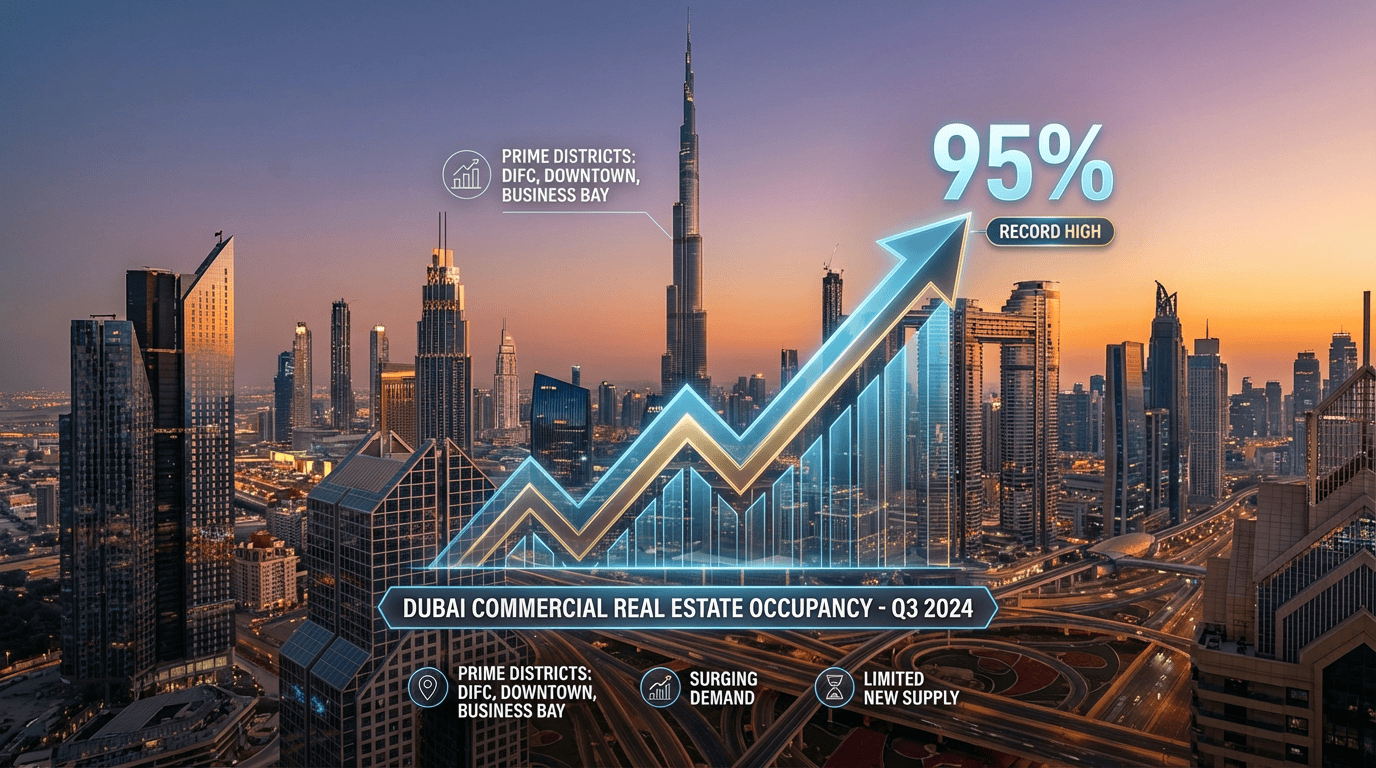
- According to Cushman & Wakefield Core, Dubai’s office market recorded an average occupancy rate of 94% in Q3 2025, with key Grade A buildings exceeding 95% occupancy.
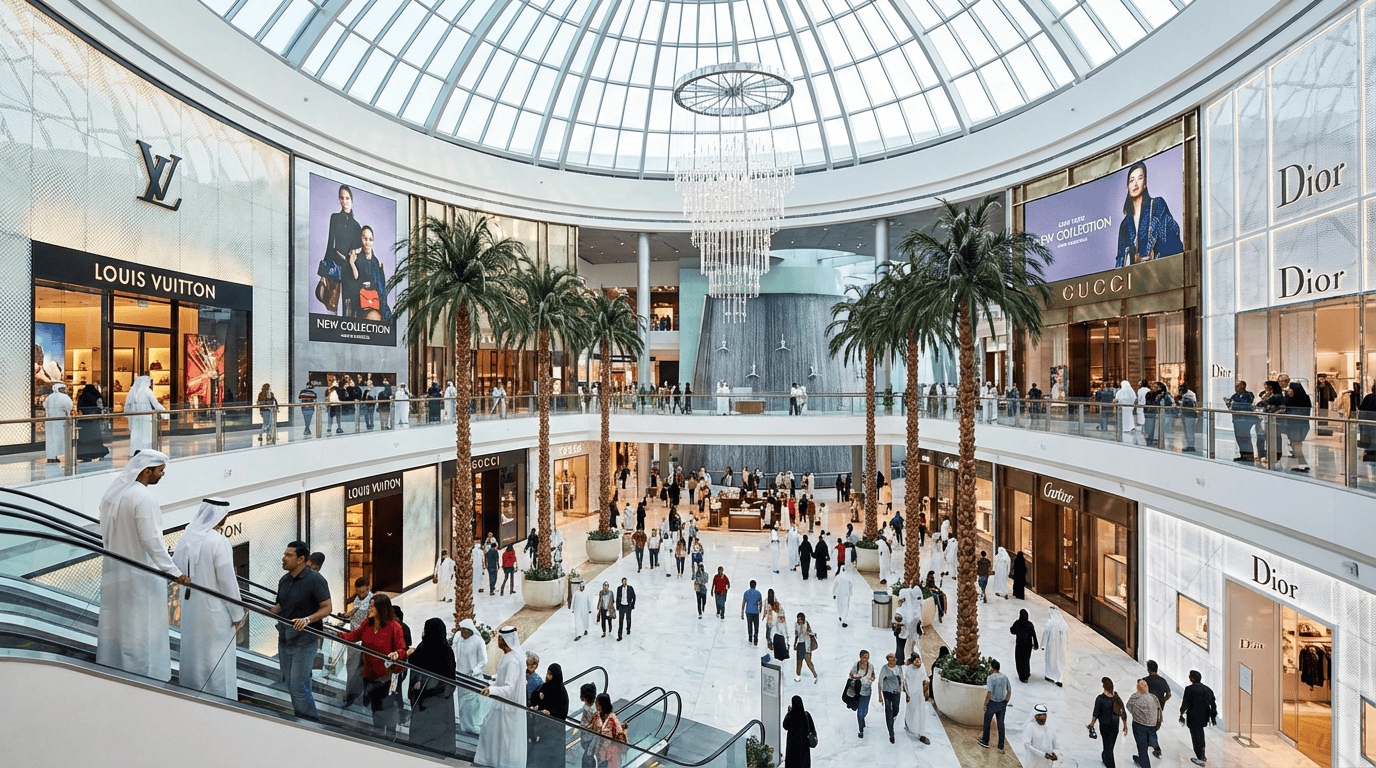
- JLL’s UAE Real Estate Market Overview notes that retail occupancy levels in prime districts are now above 97%, driven by resilient footfall and retail sales recovery.
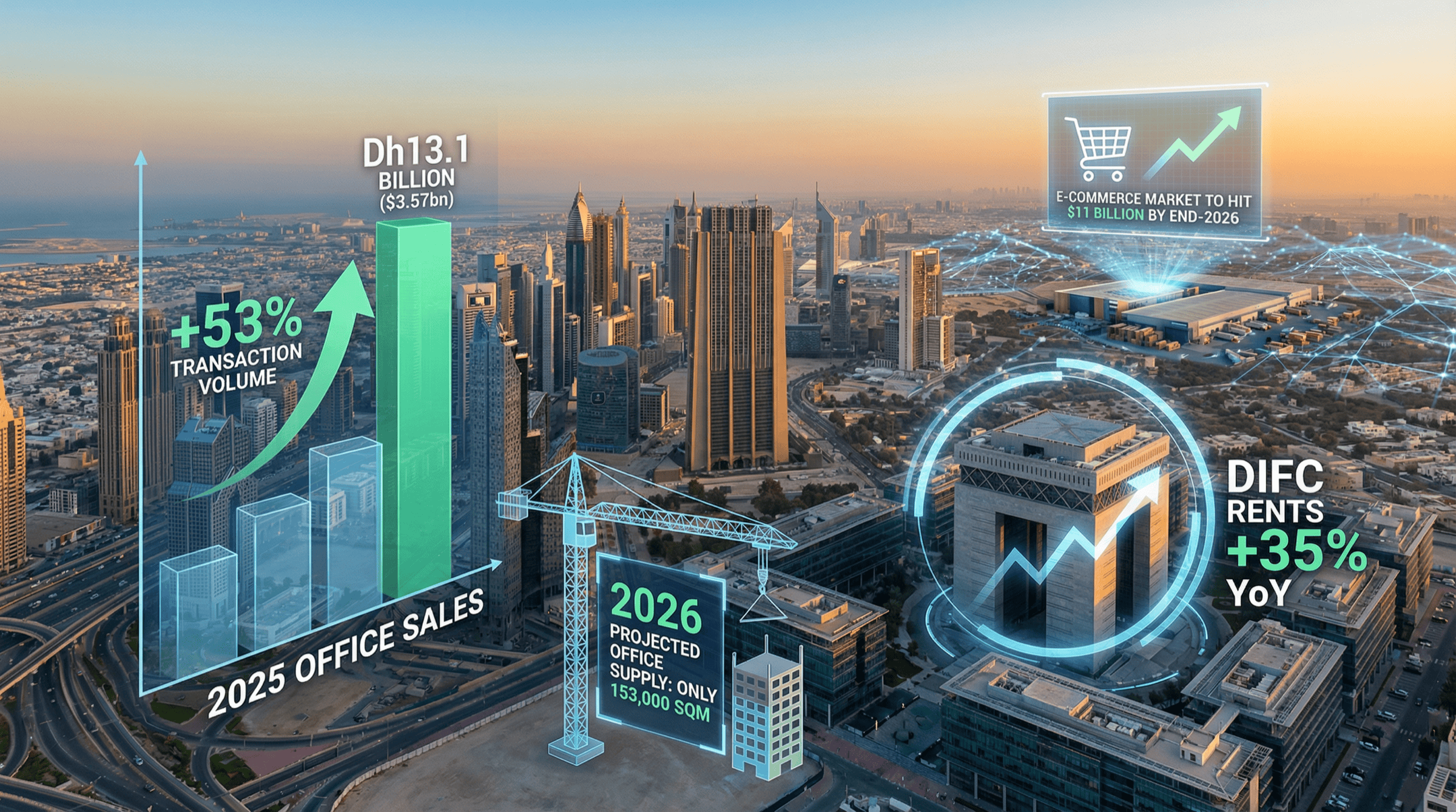
- Supply of new commercial stock remains limited. While the office pipeline is projected to expand moderately in 2026 and 2027, most of this inventory has already seen substantial pre-leasing.
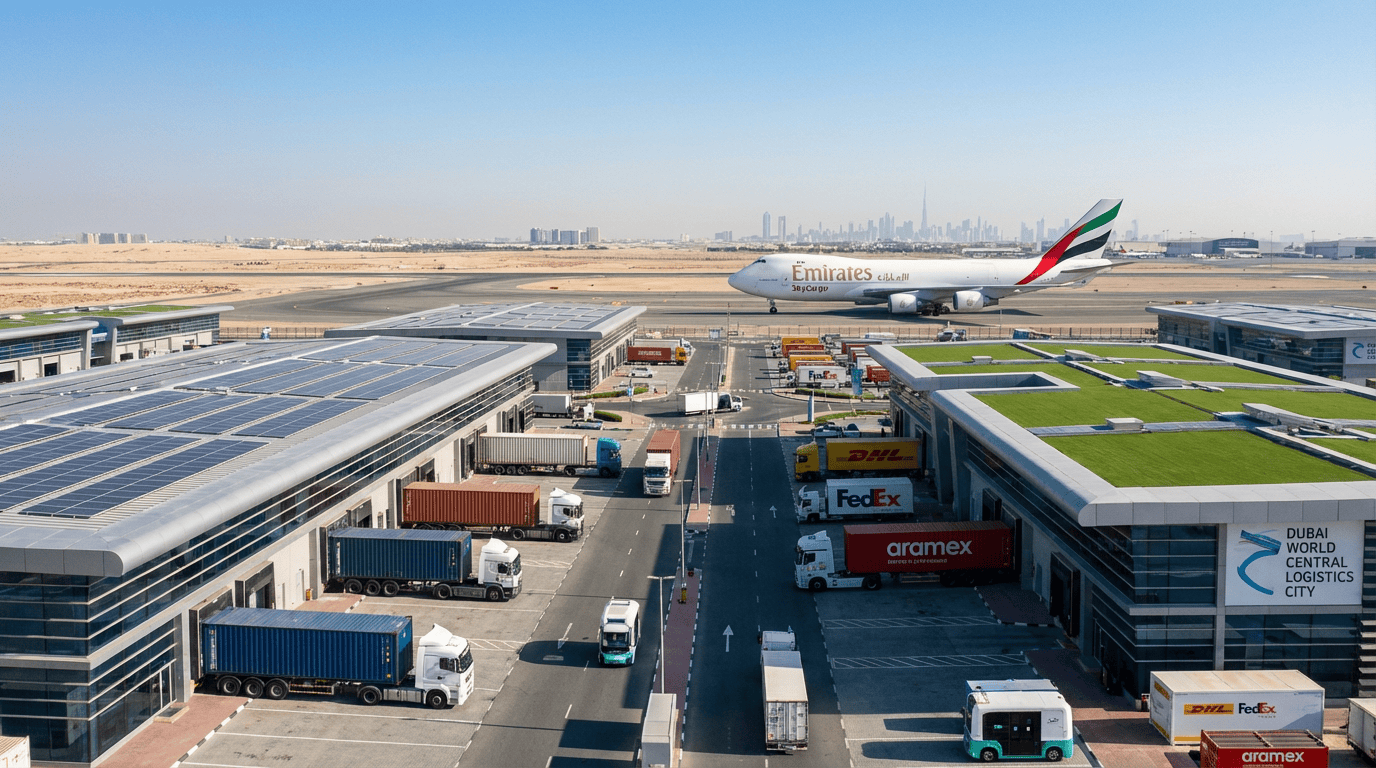
- Logistics and warehousing are experiencing similarly tight conditions, particularly in Dubai South and Al Quoz, where demand for last-mile fulfillment and e-commerce infrastructure remains elevated.
What stands out is not just the strength of demand—but the durability of it. These are not short-term spikes driven by temporary market distortions. They appear to reflect structural shifts in how companies are positioning themselves within the region.
→ View Available Commercial Listings- Explore a curated selection of office, retail, and logistics assets currently available for sale direct from developers.
In my conversations with corporate tenants, developers, and institutional investors, a few recurring themes emerge:
1. Business growth, not just market speculation
One of the most encouraging signals is that rising occupancy is being driven by real economic activity. New business registrations in Dubai have continued to grow—up over 30% year-on-year in several free zones. International firms are expanding regional hubs, often upgrading from smaller shell-and-core units to full-floor fitted options. This is genuine operational demand, not speculative overhang.
2. Limited Grade A supply in prime corridors
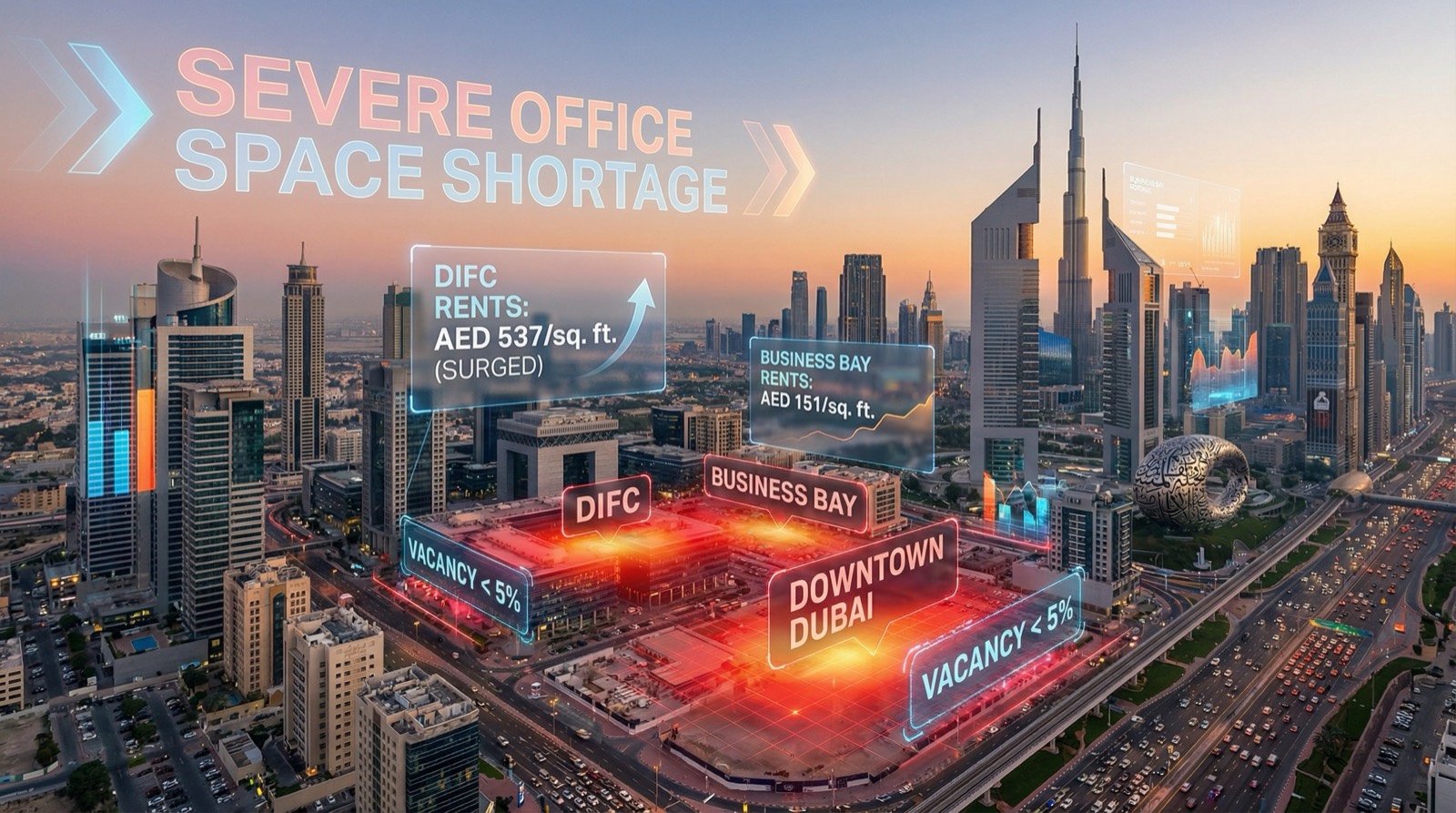
The market has seen significant residential development over the past decade—but commercial supply has lagged. In Business Bay, DIFC, and along Sheikh Zayed Road, there are only a handful of new Grade A launches each year. With high occupancy in existing buildings and few quality alternatives, tenants are signing longer leases and paying a premium for location, parking, and services.
3. Evolution of occupier preferences
Companies are becoming more discerning. Wellness features, ESG credentials, and workplace flexibility are no longer optional—they’re part of core leasing criteria. This narrows the pool of acceptable buildings even further, pushing occupancy rates up in those that tick all the right boxes.
4. Strategic advantage of Dubai as a commercial hub
Dubai’s position between Asia, Africa, and Europe—combined with its business-friendly regulatory structure—continues to attract companies seeking long-term operational bases. This is as much about confidence in Dubai’s governance as it is about cost or lifestyle.

While it’s tempting to interpret record occupancy as a universal green light, I’ve found it more useful to think in terms of implications—for occupiers, for investors, and for developers.
For occupiers: Plan earlier and more strategically
In high-occupancy environments, timing becomes critical. Many tenants are now securing renewals or relocations up to 12 months in advance, particularly in free zones with limited stock. If your business anticipates headcount growth, it may be worth evaluating space requirements sooner rather than later.
For investors: Understand what scarcity really means
Record occupancy doesn't automatically translate into high yield or rapid price appreciation. The distinction lies in asset quality and lease profile. Core buildings with long-term blue-chip tenants are seeing cap rate compression. Marginal buildings without clear differentiators may still struggle to lease. For investors, the goal is not just to buy into demand—but to buy into durable, re-lettable space.
For developers: Deliverability and specification matter more than ever
As the off-plan commercial market matures, buyers and occupiers alike are scrutinising delivery timelines, MEP capacity, and even power upgrades. Projects that cannot meet the functional and aesthetic demands of this new tenant class may underperform, regardless of location. In short: the bar has been raised.
Still reading
Need expert help on this subject?
Our approach at Mitchell’s Commercial Real Estate is grounded in long-term alignment. In a high-occupancy cycle, we see our role as more than transactional—we act as an interpreter of supply constraints, a validator of assumptions, and a guide to realistic value creation.
Here’s how we’re supporting clients today:
- Occupier strategy advisory: Helping businesses evaluate growth pathways, lease restructuring, and space optimisation
- Investment selection: Identifying commercial assets that combine income strength with capital upside—often in underpriced corridors or early-phase mixed-use zones
- Pre-leasing support: Assisting developers in structuring commercial launches with clear target profiles, pricing logic, and fit-for-purpose amenities
We’re also tracking submarket shifts closely—like rising demand in Jumeirah Lakes Towers, fast-absorption in Dubai Hills’ upcoming office stock, and continued interest in logistics nodes near DWC and Al Quoz.
→ Learn About Our Advisory Services - From tenant representation to investment sourcing and project consulting, see how Mitchell’s can support your goals.
Looking ahead, several trends may shape how this record occupancy phase evolves:
1. Gradual return of supply
New office and mixed-use commercial projects are expected to hand over in 2026 and 2027, which may ease pressure on existing stock. However, the quality and absorption of that pipeline remain key unknowns.
2. Polarisation between assets
I expect a growing divide between high-performing buildings and those struggling to lease—even in the same area. Location alone will not be enough. Tenants want a full proposition: spec, services, sustainability, and flexibility.
3. Further rent growth—but at a slower pace
Rental values in high-demand corridors have grown steadily over the past 18 months. I believe that will continue—but at a more measured pace. Tenants are pushing back on extreme increases and many are exploring alternatives in adjacent micro-markets.
4. Maturing of the investor base
The growing presence of family offices and institutional capital in Dubai’s commercial segment is likely to raise transaction standards. Expect more due diligence, longer hold periods, and increased attention to tenant covenant quality.
In closing
Final thoughts
Occupancy is a foundational metric in commercial real estate. When it reaches the levels we’re now seeing across Dubai—94% to 97% in many categories—it’s a sign that demand is both deep and durable. But it’s also a signal that we’re entering a more competitive and scrutinised phase of the cycle.
Whether you’re expanding your business, allocating capital, or preparing to develop, it’s worth asking: where is your position in this market, and what’s the long-term plan?
If you’d like to explore these questions further, I’d be happy to assist.
→ Book a Private Consultation - Schedule a one-on-one strategy session to discuss your requirements and explore tailored commercial opportunities in Dubai.

About Mitchell’s Commercial Real Estate
Mitchell’s Commercial Real Estate is a Dubai-based brokerage and advisory firm focused exclusively on commercial property. Our services include investment sourcing, corporate leasing, asset strategy, and development advisory across offices, retail, and logistics. We are independent, data-led, and grounded in over 19 years of Dubai market experience. Whether you’re building a portfolio or securing your first space, we provide clear, conflict-free guidance tailored to your objectives.
Next step
Talk to Mitchells
Tell us what you are weighing up — a building, a project, an area, or a rule you need to get right — and we will come back with the specifics that apply to it.
Published 25 November 2025 by Stephen James Mitchell MBA. Market figures quoted reflect the data available at that date.